10 Designers Who Put the Body At the Center of Their Work
From Azzedine Alaïa to Dilara Findikoglu, these creatives’ collections embody the Met’s costume exhibition
Reported by Harper's Bazaar.
The Met Gala's upcoming "Costume Art" exhibition is centering something fashion has always grappled with but rarely made explicit: the relationship between cloth and skin. By organizing galleries around concepts like "the naked body" and "the pregnant body," curators are essentially asking designers to stop pretending the form beneath the fabric doesn't matter. The irony is that the most interesting fashion has never pretended otherwise.
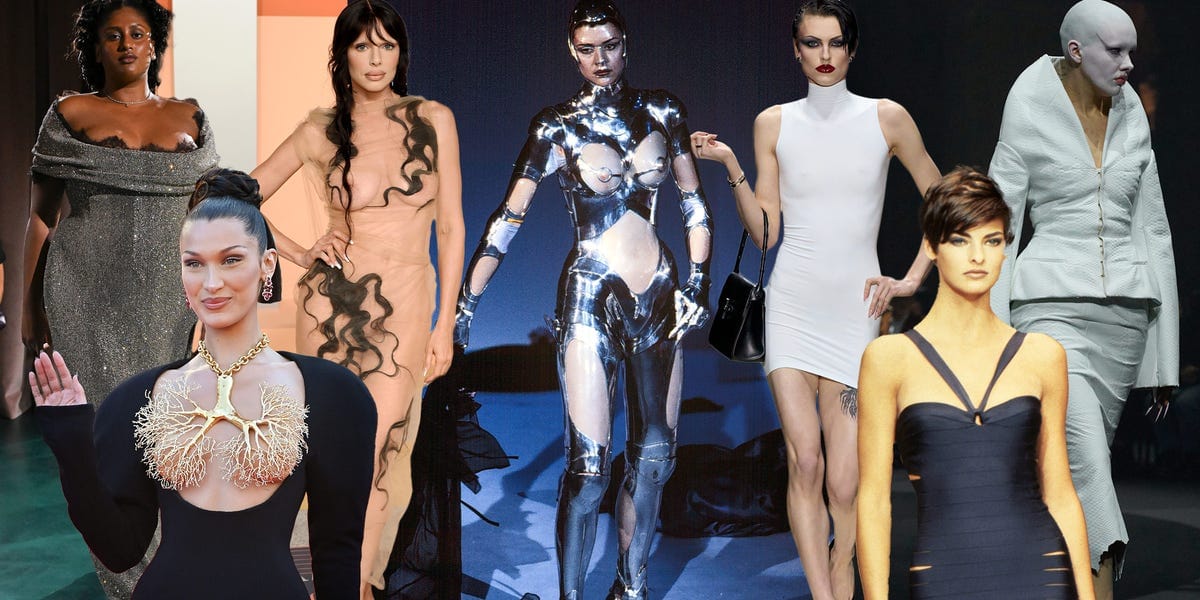
According to Harper's Bazaar, ten designers—from the establishment names to emerging voices—are leading a deliberate conversation about bodies in fashion. Some work through celebration: Azzedine Alaïa's bandage dresses worshipped the female silhouette without apology in the '80s and '90s, while Jackson Wiederhoeft's modern corsetry extends that reverence across gender identities and body types. Others deploy distortion as critique. Rei Kawakubo's legendary "Lumps and Bumps" collection from 1997 deliberately rejected the smooth, idealized form; Demna oscillates between total concealment and graphic exposure—his recent Gucci collection fetishized hyper-muscularity by clinging to it obsessively.
The provocation lives in the middle
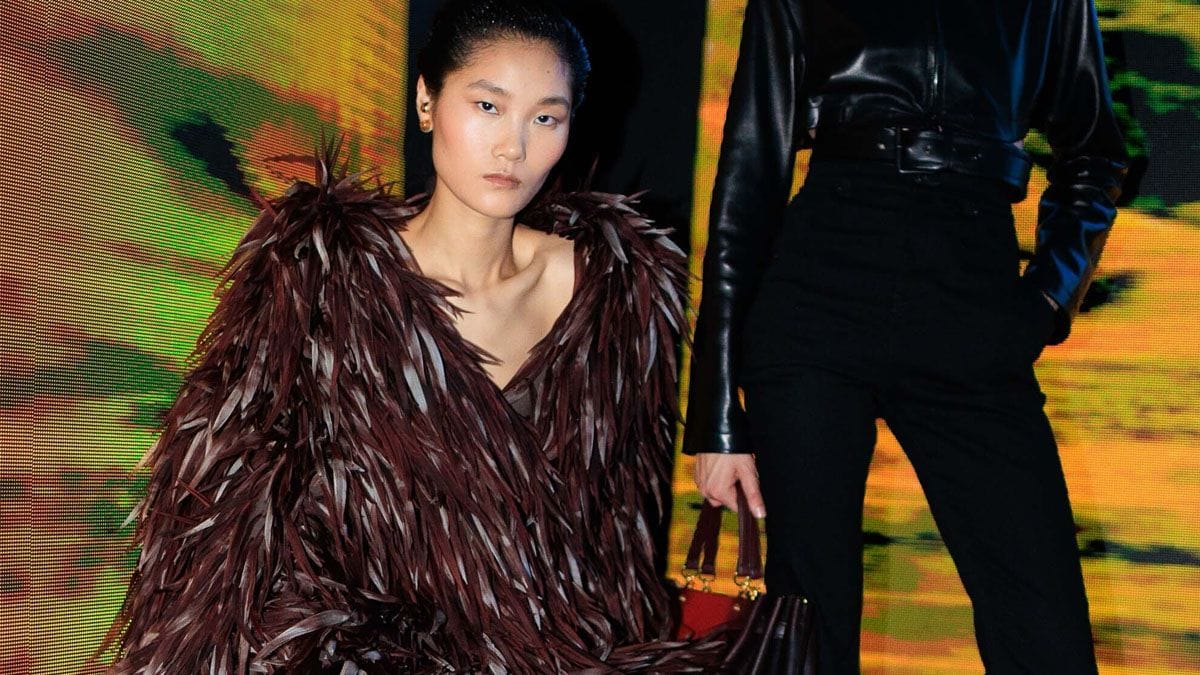
Designers like Duran Lantink (now at Jean Paul Gaultier) and Elsa Schiaparelli's Daniel Roseberry aren't content to simply fit bodies—they're using anatomy as visual language. Lantink dressed models in abs they don't have and breasts they weren't born with; Roseberry embellishes gowns with crystal-encrusted organs and surrealist body parts. Dilara Findikoglu pairs meticulous corsetry with grotesque embellishments—safety pins and faux hair alongside seashells—to explore female constraint and freedom simultaneously. Matières Fécales warps proportions entirely, inflating hips and extending sleeves into alien silhouettes that somehow still feel sensual.
Even pregnancy—historically fashion's enemy—is being reclaimed as subject matter. Zoe Gustavia Anna Whalen's Fall 2026 collection called "Birthing Circle" rewrites the pregnant body as something to celebrate rather than hide, using twisted fabrics and manipulated construction as a "love letter" rather than an apology. The through-line across all these designers is refusal: a refusal to treat the body as something to conceal, perfect, or ignore. Instead, they're treating it as the actual medium of fashion. It's the difference between designing for bodies and designing with them—and that distinction changes everything.
Read the original at Harper's Bazaar.