2026 Palme d’Or Winner ‘Fjord,’ Starring Renate Reinsve, Is a Gripping, Urgent Watch
Cristian Mungiu’s latest must-see, starring Renate Reinsve opposite an unrecognizable Sebastian Stan, took the top prize at this year’s Cannes Film Festival. Here’s the Vogue review.
Reported by Vogue.
The most talked-about film at Cannes 2026 isn't a glossy prestige picture — it's a slow-burn gut-punch about a Romanian family whose life in Norway quietly dismantles itself from the inside out. Fjord, directed by Palme d'Or veteran Cristian Mungiu and starring Sebastian Stan and Renate Reinsve, just took the festival's top prize, and according to Vogue, it's the most essential watch to come out of the Croisette this year.
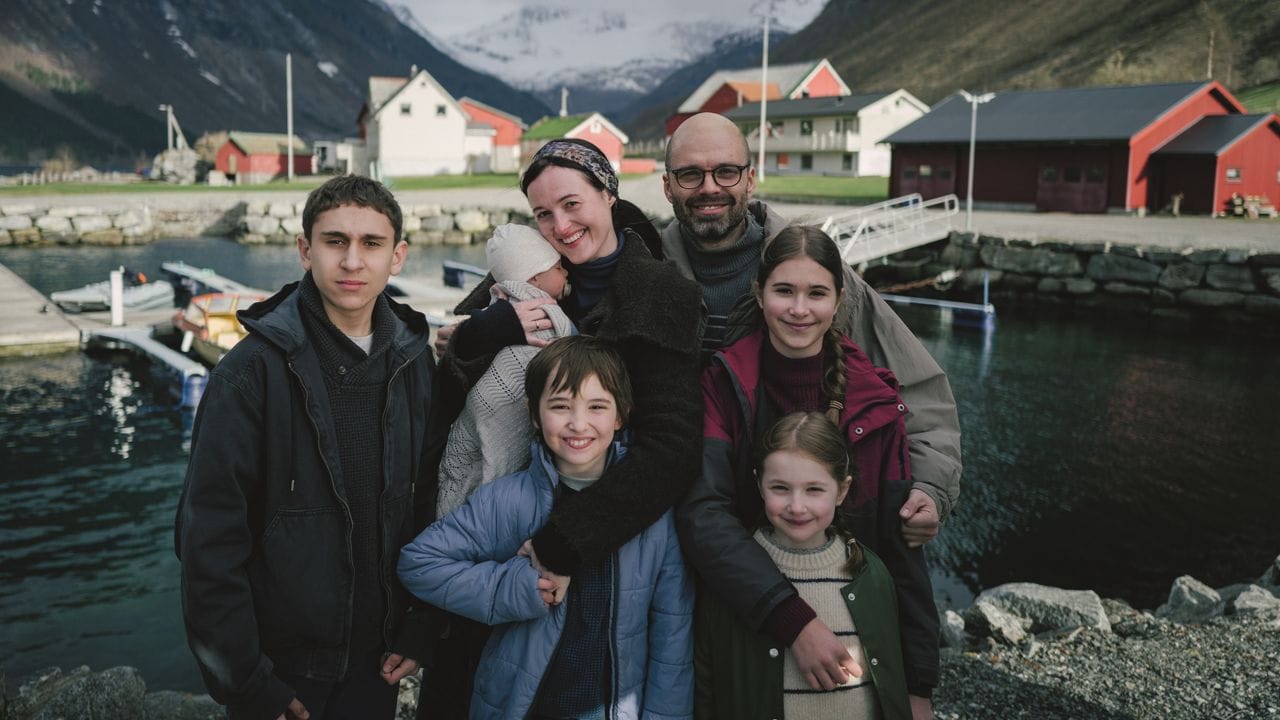
The premise is deceptively domestic. Mihai (Stan, Romanian-born and utterly unrecognizable beneath a shaved head, beard, and thick glasses) relocates his family from Romania to rural Norway at his Norwegian wife Lisbet's (Reinsve) urging, following the death of his mother. Cinematographer Tudor Vladimir Panduru frames the fjords and chocolate-box villages like a fairytale — until it isn't one. The Gheorghiu family is devout, disciplined, and quietly foreign in ways their warm-seeming neighbors begin to weaponize. When their eldest daughter arrives at school with a bruise and admits her parents have spanked her, child protective services are called. All five children — including a breastfeeding infant — are removed from the home with the chilling, bureaucratic calm of a country absolutely certain it is doing the right thing.
The Trial, the Fallout, the Unanswerable Questions
What follows is a legal and emotional spiral that Mungiu refuses to resolve neatly. We never see the alleged violence. We're left, like a jury, to reconstruct fragments — and to sit with the discomfort of not being sure. Mihai is volatile, controlling, prone to answering for his wife; he's also visibly devoted to his children. The film doesn't let him be innocent or guilty — it lets him be human and complicated, which is far more unsettling. Meanwhile, far-right protesters descend on the trial waving banners about traditional family values, turning the family's nightmare into political spectacle. Mungiu's restraint in the face of all this chaos is, frankly, masterful.
Reinsve is extraordinary — the luminous, untouchable quality she brought to The Worst Person in the World and Sentimental Value fully erased here. She plays Lisbet as a woman being unmade in real time, and the scene where she hands her baby into a stranger's car and staggers backward is described as a masterclass in physical storytelling — Stan watching through a window, neither face visible, every devastating emotion carried entirely by posture and stillness. A subplot about Lisbet caring for a neighbor's elderly father deepens the film's central provocation: what does it cost an immigrant to be "good," and is it ever actually enough?
The first forty minutes ask for patience, but once the machinery of the plot locks in, Fjord doesn't let go — raising urgent, unresolved questions about cultural conflict, religious identity, and who gets to define a fit parent, at a moment when anti-migrant sentiment is reshaping politics across the US, the UK, and beyond.
Fjord is the rare film that earns its Palme d'Or not by having answers, but by making you desperate to find them.
Read the original at Vogue.