3 Signs You Body Needs Time Off From Alcohol (Even If You Don’t Drink Daily)
Alcohol has become a fixture of celebrations, nights out with friends, and holidays. How do you know when it might be time to pause? Here are a few signs.
Reported by MindBodyGreen.
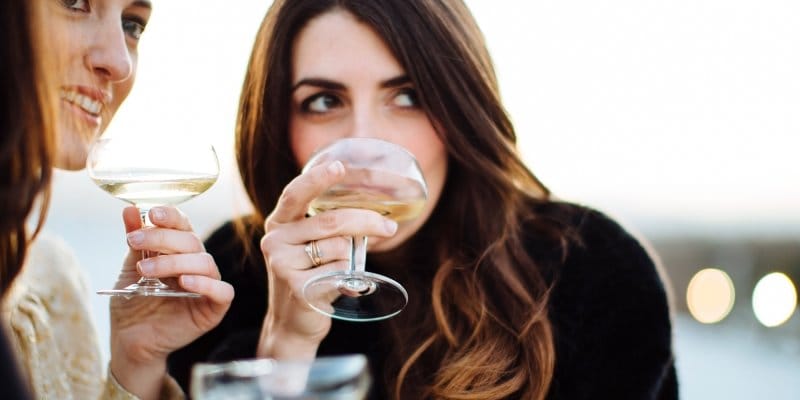
You don't have to be a nightly drinker for alcohol to be quietly working against you. Even occasional drinking—a cocktail here, wine with dinner there—can ripple through your sleep, mood, and bank account in ways you might not immediately connect to that glass in your hand. According to MindBodyGreen, a growing number of health experts are making the case that everyone, regardless of their drinking frequency, could benefit from stepping back.
The culprit? Alcohol is a depressant that messes with your neurochemistry. It initially relaxes you, but as your body metabolizes it, the drug suppresses REM sleep—the restorative phase where dreams happen and your brain genuinely recovers. The result: fragmented nights, lower sleep scores, and a fog that lingers into the next day. Beyond sleep, alcohol disrupts neurotransmitters like serotonin and GABA, which regulate mood and stress response. People who take breaks often report feeling noticeably calmer and less anxious within days, even if they never thought they had a "problem" with alcohol.
The Practical Case for a Reset
There's also the money angle. Cocktails at $15 a pop, plus tips, transportation home—the tab adds up fast, and most people don't stop at one drink. A month off can literally cut your bar bills in half. That's not guilt-tripping; it's math. Hilary Sheinbaum, author of Going Dry: A Practical Guide To Drinking Less and Living More, recommends framing a break as a 30-day experiment rather than permanent abstinence. Ten days in, most people start noticing shifts in energy and mood. By day 30, the changes are usually undeniable—and that's when you can actually decide whether alcohol deserves a permanent seat at your table or not.
If social drinking feels non-negotiable, you're not locked out. Bars now offer serious mocktails, and brands like Ghia and alcohol-removed sparkling wines let you hold something that feels celebratory without the buzz. You don't owe anyone an explanation for not drinking, but you also don't have to white-knuckle it alone.
The point isn't perfection—it's clarity on how booze is actually affecting your body and whether that trade-off is worth it.
Read the original at MindBodyGreen.