4 Key Takeaways From the 2026 Cannes Film Festival
At this year’s festival, jewelry, wellness, and tech were among the industries to get in on the action along La Croisette.
Reported by Vogue.
Cannes 2026 was quieter than usual — intentionally so, with the 80th-anniversary edition looming in 2027 — but the fashion industry didn't ease up. If anything, luxury houses got more strategic, according to Vogue. The red carpet still moved product, but the real story was how brands used the festival's cultural weight to deepen existing relationships rather than debut splashy new ones.
Demi Moore, serving on the jury, was the undisputed style anchor of the week. Styled by Brad Goreski in a rotation of Gucci, Jacquemus, and Matières Fécales, she was, as one attendee put it, the festival's unofficial center of gravity. Elsewhere, Kering leaned into its Women in Motion initiative — now a decade old — honoring Julianne Moore at a Carlton dinner attended by incoming Kering CEO Luca de Meo, making his Cannes debut in the role. Chanel backed two films including Roma Elastica, starring house ambassador Marion Cotillard. Ami Paris returned for its second year as main partner of Critics' Week, hosting a lunch that felt deliberately low-key — fish, rosé, a mixed crowd of established names and young French talent. At Dior's simultaneous resort show in Los Angeles, Jonathan Anderson dropped a deliberate hint: the house is coming for cinema in a significant way over the next 12 months. "Franchises, film, other things," he said. Consider that a warning shot.
Jewelry, Wellness, and the New Power Players
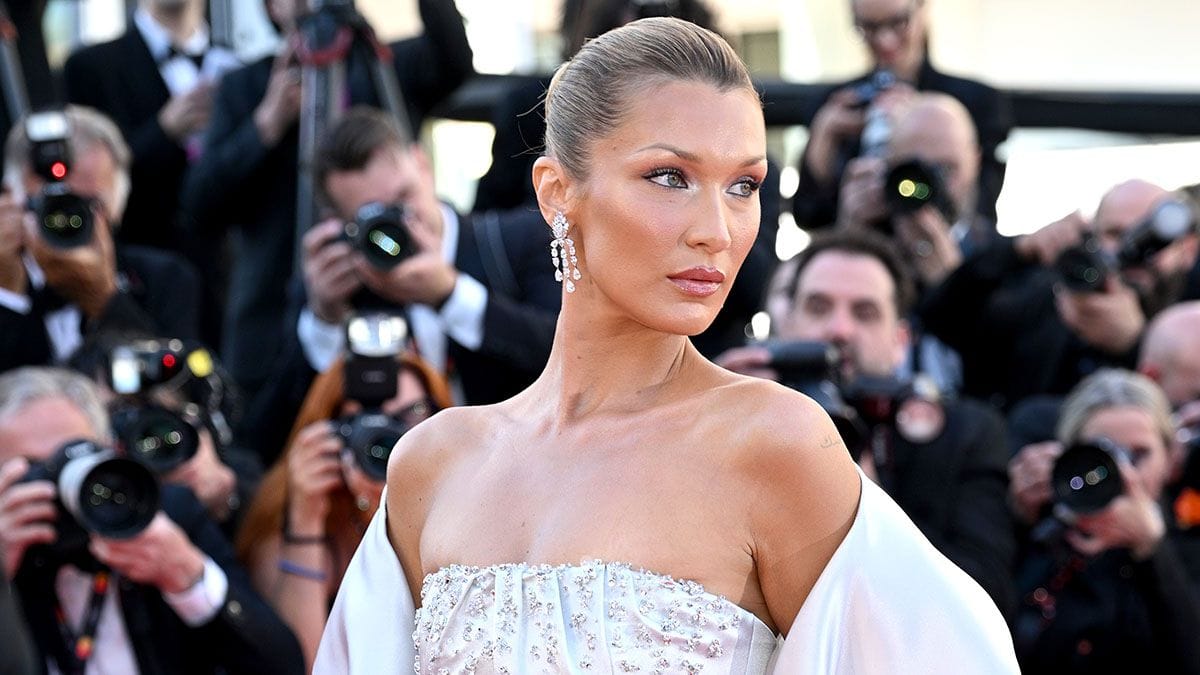
On the carpet itself, jewelry is no longer an afterthought. Chopard's Bella Hadid wore a white gold high jewelry set from the new Miracles collection — a full look, not just a statement piece — while Boucheron, Chaumet, Pomellato, Messika, and Fred appeared on Jane Fonda, Juliette Binoche, Simone Ashley, and Laetitia Casta, respectively. "We're starting to reach a point where we can influence the overall look," said Boucheron CEO Hélène Poulit-Duquesne, noting that stylists are now thinking in terms of jewelry from the start, not as an afterthought. The brand also used Cannes as a high-end client experience, offering VICs a red carpet walk paired with a Paris dinner at 26 Place Vendôme. Clienteling at this level is its own category of luxury.
Wellness, meanwhile, made a full bid for Cannes real estate. Alo took over a superyacht — offering reformer Pilates, EMS training, IV therapy, lymphatic drainage, and intuitive readings, among other things — while the brand-new Orient Express Corinthian, the world's largest sailing yacht, floated in the bay for the week, complete with a Guerlain spa and a movie theater. The numbers back the pivot: luxury hospitality and cruise spending grew 12% and 5% respectively in 2025, while personal luxury goods were essentially flat, per Bain & Co. Tech rounded out the new arrivals — Meta became an official festival partner, setting up a house at Le Majestic and deploying content creators in Ray-Ban smart glasses. Anthropic's Dario Amodei co-hosted a party; OpenAI's Charles Porch showed up at the Women in Motion dinner. The entertainment industry and AI are in active negotiation, and Cannes just became one of the rooms where that happens.
Cannes 2026 confirmed what the smartest brands already know: cultural relevance isn't bought with a single activation — it's built, year after year, through the right rooms, the right relationships, and knowing exactly when to show up.
Read the original at Vogue.