Can Sun-Protective Clothing Ever Be Chic? These Brands Think So
This summer, brands are embedding sun protection into design — and making it cool.
Reported by Vogue.
For years, the UPF clothing category has operated on a single, unfortunate assumption: that anyone willing to cover up for sun protection has already surrendered their taste. Rash guards were functional. They were not cute. And for a long time, that was the end of the conversation.
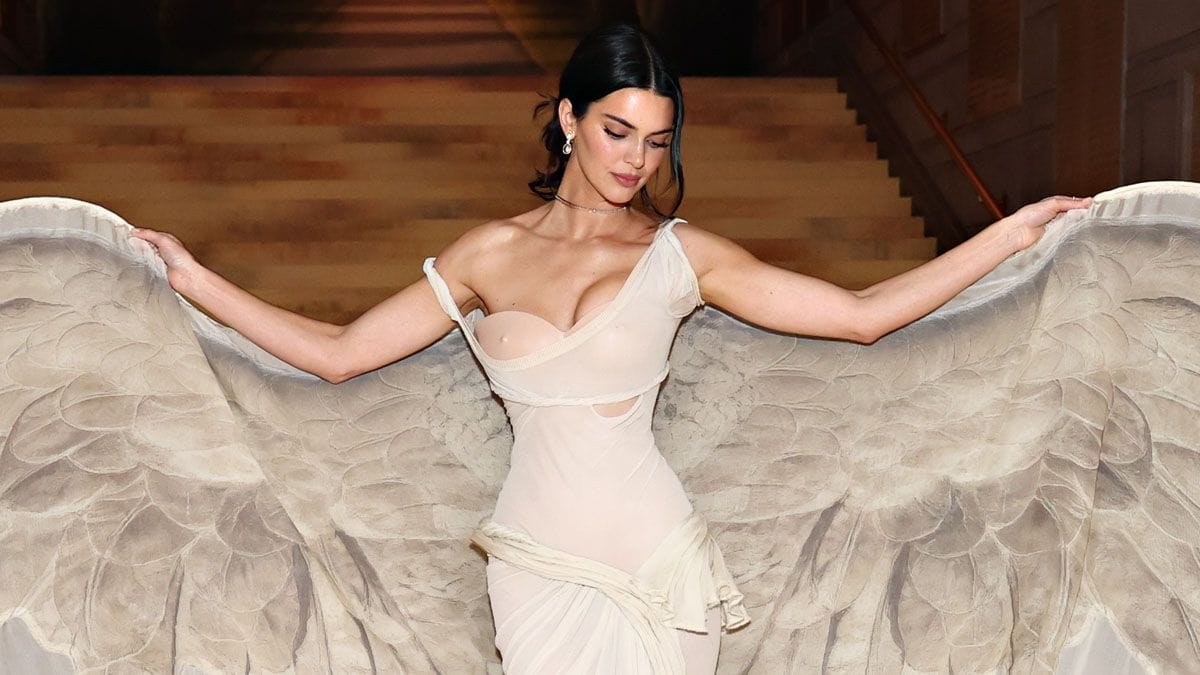
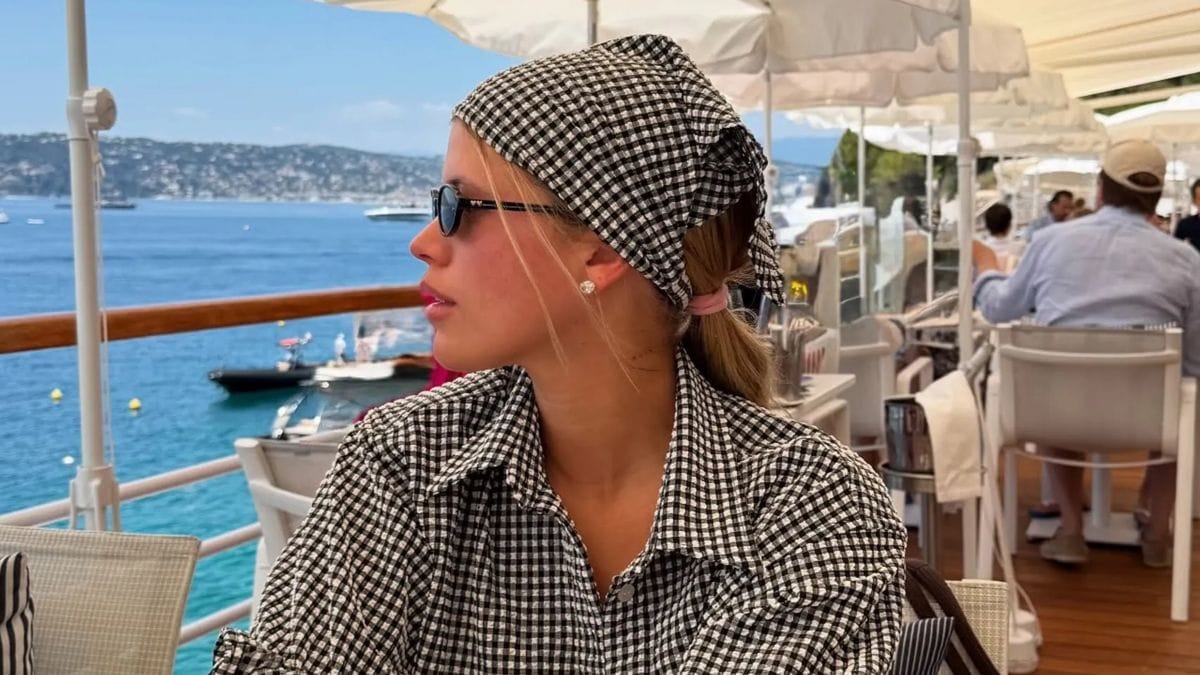
That's beginning to change — slowly, deliberately, and with actual aesthetic intention. According to Vogue, a new wave of brands is betting that ultraviolet protection factor (UPF) clothing doesn't have to look like it belongs at a surf camp. Halfdays launched a UPF-focused activewear collection in a proprietary GwenUV fabric that reads far less gorpcore than the category norm. Hunza G — the brand behind the crinkle-everything moment — developed its first UPF pieces over two years, landing on a polyamide-elastane blend, with Sofia Richie Grainge subsequently posting a gingham UPF headscarf that sold out ten times over. Swim brand Rashi entered through waterproof UPF fabric — already a proven technology — and is now expanding into tracksuits, unisex tees, and ready-to-wear. And then there's Claudent, arguably the most fashion-forward entrant: founded in 2023 by CEO Mia Zee and creative director Emma Gerber after Zee was diagnosed with a sun allergy in 2019, the brand produces UPF 50+ pieces that Kendall Jenner wore in Saint-Tropez last summer — in a red dress that immediately sold out. Zee's read on that moment? Jenner's stylist put her in it because it looked good. The sun protection was incidental.
The Technical Problem Nobody Talks About
Getting fashion-forward UPF clothing to market is genuinely hard. A tight structural weave is required to block UV rays effectively, which limits how fabrics drape, move, and feel — not exactly ideal conditions for designing something a woman wants to wear to lunch. UPF ratings also vary significantly: UPF 15+ blocks around 93% of rays, while UPF 50+ — the gold standard — blocks roughly 98%. Many brands have historically used chemical treatments to hit their numbers, but those wash out after 20 to 30 washes, Zee notes. The long-term play is achieving UPF 50+ structurally, through the weave itself. Claudent spent nearly a year working with its fabric mill to develop its Riviera fabric — a nylon-polyester blend with the hand-feel of a poplin — after realizing their original launch collection wasn't something they were actually reaching for. Gerber has since found that clean silhouettes perform best in Riviera, which led the brand to develop a separate vegan silk alternative for the drapier, more feminine pieces they'd originally envisioned.
The market opportunity is real regardless: the UPF clothing sector is projected to reach approximately $1.74 billion, growing at a compound annual growth rate of 6.8% to 8%, per The Future Laboratory. But consumer prioritization hasn't caught up yet. Stylus fashion trends editor Katie Devlin puts it plainly — we're on the precipice of UPF shifting from novelty to pragmatic summer essential, but only if brands invest as heavily in aesthetics as they do in innovation. The Future Laboratory's senior foresight analyst Rose Coffey goes further, predicting sun protection will eventually be as standard a textile feature as stretch or breathability.
The brands building now will be positioned when that shift arrives — but the entrance fee is high, the fabric development is grueling, and the consumer still needs to be seduced by the look long before she cares about the SPF equivalent stitched into the seams.
Sun protection is finally getting a fashion rebrand — and the brands smart enough to make it covetable first are the ones who'll own the category when everyone else catches on.
Read the original at Vogue.