Celebrating Pride Month: A Glimpse into Nepal’s Third-Gender Community
Kin Coedel collaborated with Meti and Hijra women in Nepal in the creation of Between Reverence and Refusal, giving them recognition and exposing the paradox of a culture that venerates femininity in myth but doesn’t acknowledge those who embody it in…
Reported by Vogue.
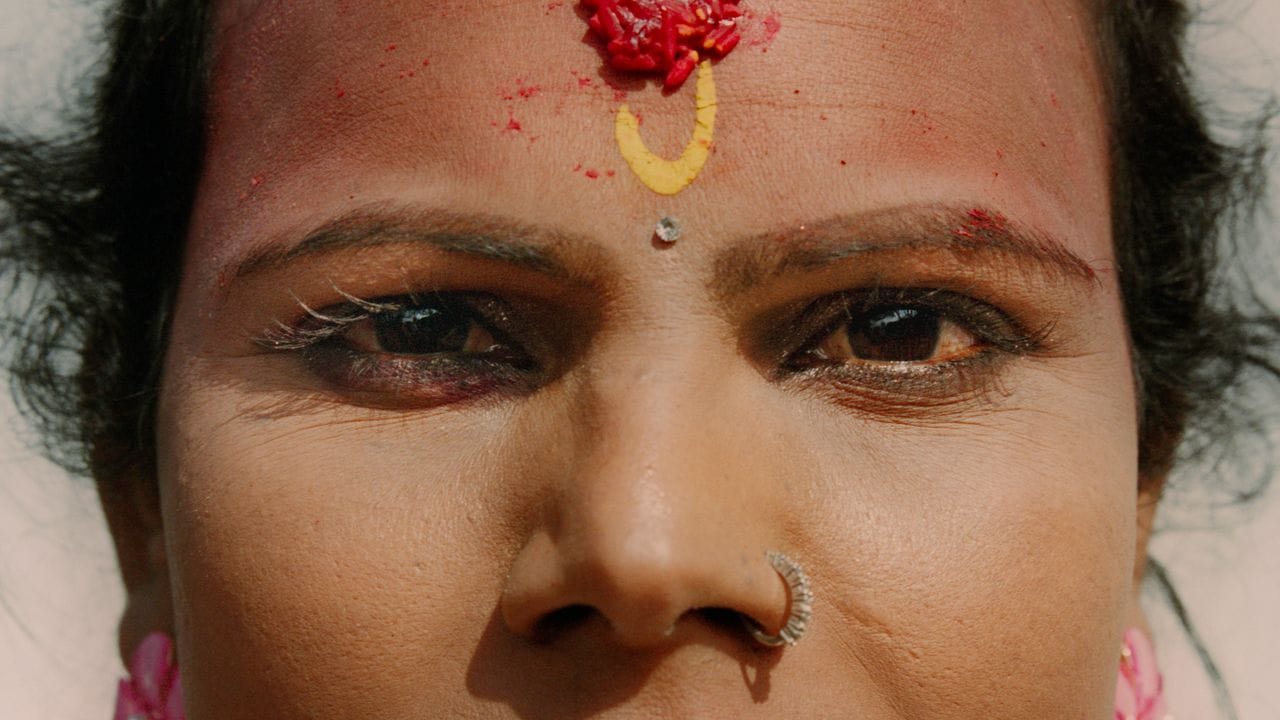
In Kathmandu, identity is worn in layers — a red tika pressed to the forehead, sindoor drawn through parted hair, kohl lining dark eyes, gold catching temple light. For Sunita, getting dressed in a sari is less vanity than necessity: something in her settles when she does. The world around her, less so.
Sunita identifies as Meti — a vernacular Nepali category for people assigned male at birth who live and present in feminine ways. It's distinct from but related to terms like Kothi (used in the southern Terai) and Singaru (the western hills). Her friend Gita is Hijra, which is something different altogether: not just an identity but a structured community organized around a guru-chela household system, where an elder takes in younger members, provides shelter and belonging, and receives a portion of their earnings in return. It's care and hierarchy folded into the same arrangement. Both women fall under Nepal's legal category of "third gender" — a container, not a description, according to Vogue.
Sacred Ground, Unequal Footing
The cultural roots here run deep. Hinduism venerates Ardhanarishvara — Shiva embodied as half-masculine, half-feminine, inseparable — a form that appears throughout temples across the Kathmandu Valley. It's not marginal iconography; it's central to Shaiva devotion. Within this framework, Hijra women occupy a specific ritual position: called upon to bless newborns and newlyweds because their threshold existence is considered auspicious. Gita puts it plainly, sitting outside Pashupatinath's temple wall: "They place the baby in our arms and seek our blessings. But not one of them would want their child to be like us." No bitterness in her voice. Just precision.
Nepal made legal history in 2007 when its Supreme Court ruled that gender minorities must be recognized based on self-identification alone — no surgery required, no medical gatekeeping. One of the first rulings of its kind in South Asia, since cited by courts elsewhere. The law exists. But Sunita still waits in hospital corridors where her name is called wrong. On public transit, she clocks which silences mean leave, which rooms are safe enough to breathe in for a few minutes. The body learns to read a room before the mind finishes the thought. Meanwhile, the women's survival economy floats across hairdressing, tailoring, and doorstep blessings — culturally recognizable, economically unfeasible. During Gai Jatra, Kathmandu's annual festival of mourning and satire, gender-nonconforming bodies briefly find more room in the street — less refused, if not yet recognized. Then the processions end, and the city snaps back to its usual arrangements.
What Sunita and Gita have built in the margins of all this — friends fixing each other's eyeliner, splitting money that was never enough, staying on the phone until someone makes it home safe — doesn't look like softness, but it functions like a spine.
Legal recognition means nothing if the rooms behind the law stay the same.
Read the original at Vogue.