Celebrating Pride Month: A Glimpse into Nepal’s Third-Gender Community
Kin Coedel collaborated with Meti and Hijra women in Nepal in the creation of Between Reverence and Refusal, giving them recognition and exposing the paradox of a culture that venerates femininity in myth but doesn’t acknowledge those who embody it in…
Reported by Vogue.
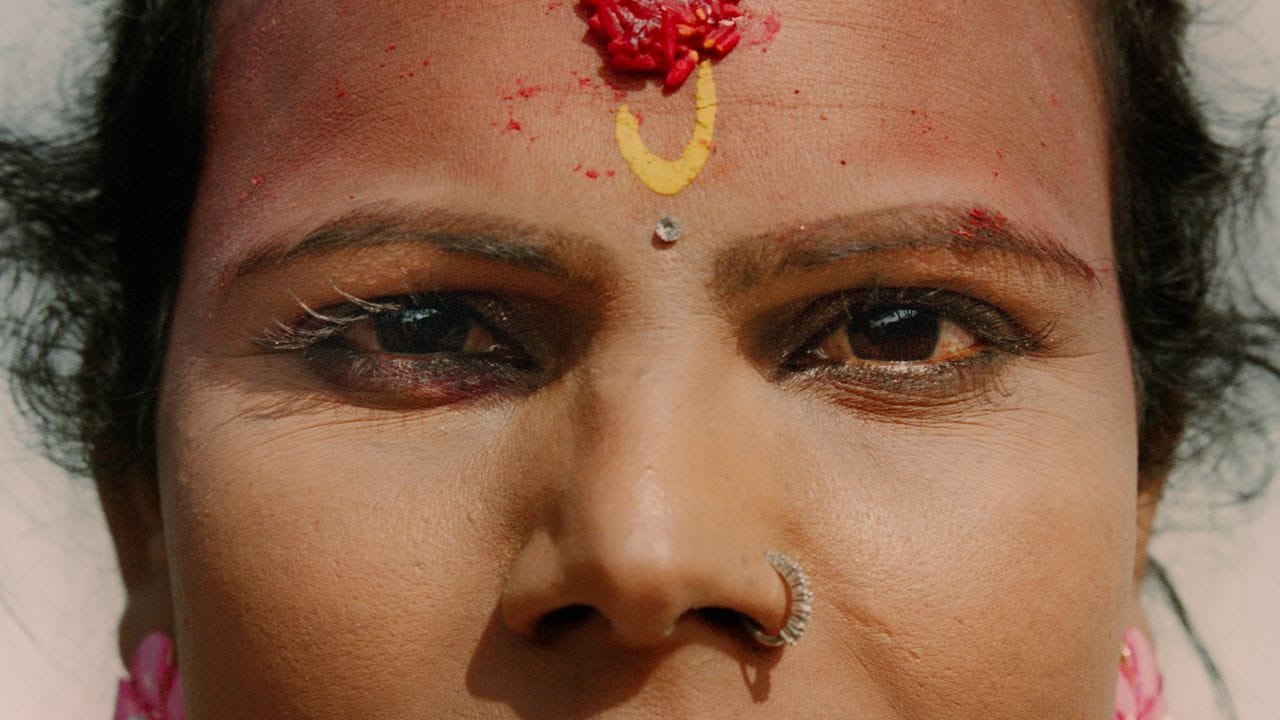
In Kathmandu, two women get dressed in the early morning. Sunita presses tika to her forehead, draws sindoor through her hair, adjusts the fall of her sari before she steps into a day that will require more negotiation than most people ever have to make. Gita, a few streets over, learned to read a room before she could afford not to. Both women belong to Nepal's third-gender community — and both exist at a specific intersection of spiritual reverence and civic invisibility that the rest of the world is only beginning to understand.
Blessed at the Temple, Invisible on the Bus
According to Vogue, the terms matter here. Meti describes people assigned male at birth who live and present in feminine ways — an individual identity, locally grounded, existing alongside regional variations like Kothi and Singaru. Hijra is something else entirely: a structured community organized around the guru-chela relationship, a household system that provides belonging, protection, and hierarchy in the same breath. Both categories fall under Nepal's legal classification of "third gender," but as the reporting makes clear, a legal container doesn't describe what's living inside it. In 2007, Nepal's Supreme Court issued a landmark ruling requiring gender recognition based on self-identification alone — no surgery, no medical gatekeeping. One of the first of its kind in South Asia. The law exists. The paper exists. The seat on the bus still shifts.
What makes Nepal's situation theologically distinct is Ardhanarishvara — the form of Shiva that is literally half woman, masculine and feminine held in one body, not as contradiction but as completeness. The image appears across temples in the Kathmandu Valley, central to Shaiva devotion, not marginal. It's the doctrinal basis for Hijra women's ritual role: called to bless at births and weddings, their presence considered auspicious, their bodies understood as embodying that same sacred threshold. Gita describes holding a newborn at Pashupatinath, saying the words the family needs her to say — and then adds, without surprise, without bitterness, just with the particular clarity of someone who has long since stopped being shocked: "Not one of them would want their child to be like us."
The community they've built between themselves is its own kind of infrastructure. Mornings begin with someone straightening a sari fold, adjusting eyeliner — and also with logistics: which route is safer tonight, which client didn't pay, which street to avoid. Gita says they fight, laughing. But if something happens, everyone goes. No one asks why. The care is practical, not sentimental. Split money, shared food, staying on the phone until someone is home safe. During Gai Jatra, Kathmandu's annual festival of mourning and satire, gender-nonconforming bodies move more freely through the streets for a few hours — less refused, briefly held by the city in a way the city doesn't usually offer. Then the processions end and the permission folds back into itself, leaving only the memory of how briefly it was possible.
Legal recognition without social equality is a very particular kind of cruelty — and what Sunita and Gita's lives make visible is how much remains unresolved between a court ruling and an actual room. Nepal got the law right before most of the world. The work after the law is slower, less legible, and ongoing.
Read the original at Vogue.