Ciara, Amanda, West, and What It Means to Date in White Spaces as a Black Woman
During the season of “Summer House” that aired before the Amanda–West scandal, Ciara Miller discussed her experience of dating in white spaces: the flak she gets from the Black community for dating outside of her race, the jealous anger directed at her by…
Reported by Vogue.
The Ciara Miller, West Wilson, and Amanda Batula situation was never really about reality TV drama. It was a Rorschach test — and how you read it says everything about where you stand on race, desirability, and who gets taken seriously as a partner.
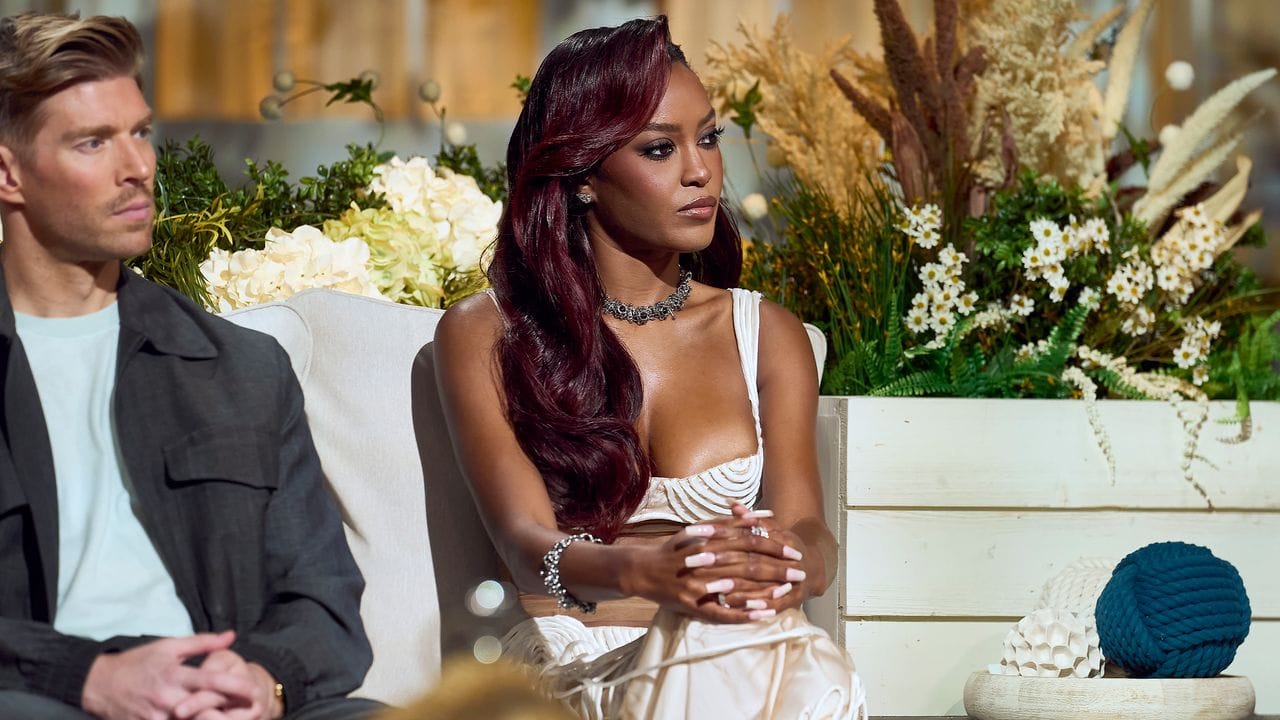
According to Vogue, Miller spent seasons on Bravo's Summer House as the show's only Black cast member, navigating the particular exhaustion of dating in predominantly white spaces — fielding criticism from the Black community for dating outside her race, absorbing hostility from white fans, and still showing up. Her relationship with Wilson fizzled after a summer of mixed signals, which would have been unremarkable if Wilson hadn't then secretly entered a relationship with Batula, Miller's close friend. The social media confession dropped earlier this spring. What followed — including Batula's defensive, barely-apologetic performance at the reunion — crystallized something Black women who date interracially know viscerally: being chosen first doesn't mean you were ever considered a serious option.
The Experiment Problem
Early in the show, Miller told castmates she refused to be treated as something to sample — exotic, temporary, ultimately disposable. It's a boundary Black women, and especially Black trans women, have had to articulate out loud just to be seen as viable partners rather than an experience someone collects. The questions Miller voiced — Will I be marriage material to him? How will his family see me? — aren't insecurity. They're pattern recognition, earned through watching men claim they aren't looking for anything serious, then turn around and commit to someone who looks nothing like you. The math isn't hard. It's just painful.
Wilson's reunion behavior — stonewalling uncomfortable questions, letting Batula absorb the fallout — was its own kind of answer. And the comment sections, predictably stacked with white women defending Batula, were another. When Black women name these dynamics, they're routinely dismissed as playing victim. Their lived experience gets reframed as oversensitivity, their hurt as a complex. The "I don't see color" crowd doesn't realize that erasing the color erases the woman entirely.
Miller's story resonates far beyond Bravo because it's not actually about one messy love triangle — it's about the role Black women are so often assigned in white spaces: the supporter, the mediator, the resilient one in the background while someone else gets the romantic lead. That casting has never been acceptable, and it shouldn't take a reunion special and a million Instagram impressions for people to notice it.
Black women have always been the main characters in their own stories — the industry just keeps trying to give them a supporting credit.
Read the original at Vogue.