Decoding Wedding Dress Codes for the Modern Guest
From black tie to cocktail attire, we break down all the wedding dress codes to know.
Reported by Vogue.
Wedding invitations used to be simple: show up, bring a gift, don't wear white. Now you're staring down a dress code that says "festive tropical formal" and wondering if your silk midi counts. Here's the thing — dress codes aren't gatekeeping. They're a blueprint, and once you know how to read them, getting dressed becomes significantly less painful.
According to Vogue, bridal stylist Maisie-Kate Keane puts it plainly: "Clarity is everything." Couples who include specific guidance — think linked inspo boards on the wedding website — take the guesswork out of the equation entirely. And if you're the guest? Treat the dress code like the social contract it is. You RSVPed yes; that includes the outfit requirements. Keane's rule: when in doubt, dress up. "It's always safer to be a bit overdressed than underdressed."
Breaking Down the Formality Ladder
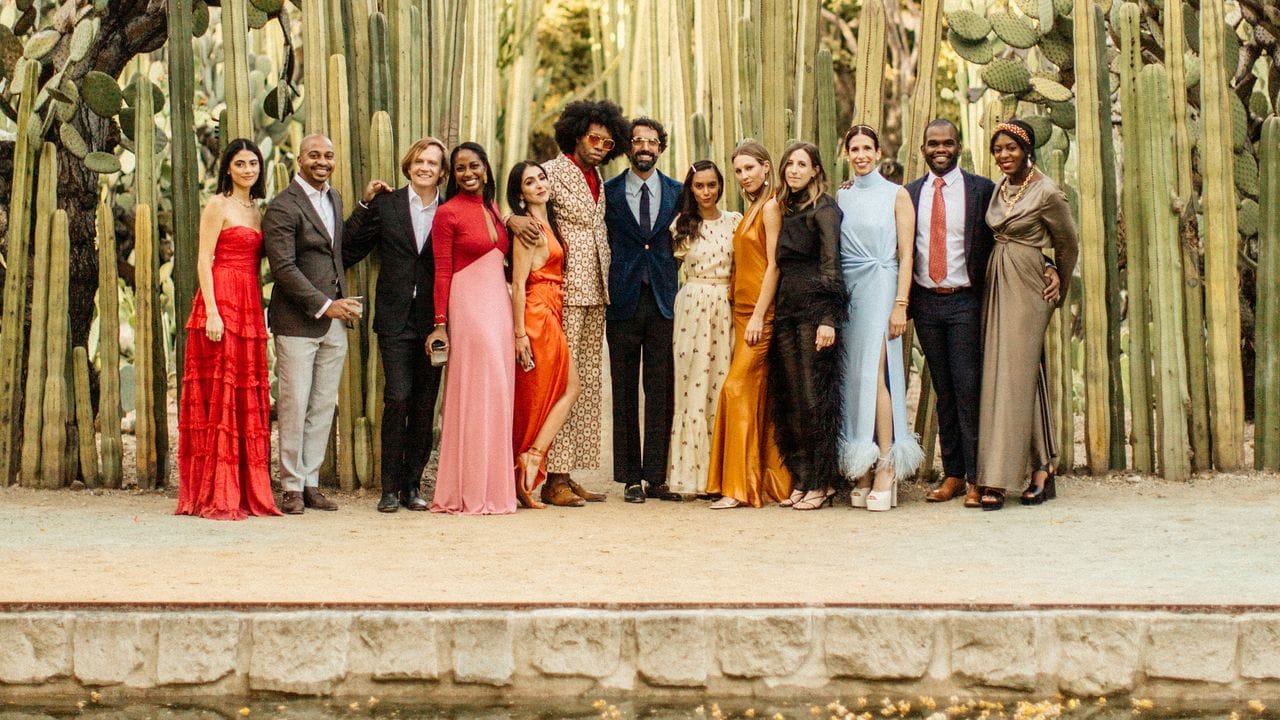
At the top sits white tie — state dinner territory, full-length gowns, tuxedos with tails, no improvising. Black tie means floor-length or an elevated pantsuit for women (midi dresses don't make the cut), and a dark tuxedo with a bowtie for men — velvet slippers acceptable, novelty prints not. Black-tie optional softens the mandate without abandoning it: a dark tailored suit still reads the room correctly for men, while women can work a formal jumpsuit or cocktail dress as long as the overall energy stays polished. Cocktail opens things up — knee to midi hemlines, florals in summer, creative accessories — but a sundress and a crossbody bag still miss the mark. Drop down to dressy casual and you're in smart, comfortable territory: linen works, denim doesn't. A true casual wedding code is rarer than people think, and even then, flip-flops and tank tops are almost never what the couple had in mind.
Time of day rewrites the rules just as much as the code itself. Daytime weddings call for lighter fabrics — chiffon, linen, cotton — and softer palettes. Evening shifts everything toward jewel tones, satin, velvet, and a little drama. Keane describes it as the look needing to feel "more refined, with a bit of drama to match the evening vibe." Season matters too: a black-tie winter wedding can absorb velvet and fur stoles in ways a July beach ceremony simply cannot. Asking guests to layer up in August heat is a dress code miscalculation that affects everyone.
The bottom line: a dress code is an act of hospitality — it tells guests exactly how to show up, and the least you can do is follow it.
Read the original at Vogue.