Ear Seeding Is Everywhere, But Does It Really Help With Anxiety?
Even if it’s just now popping up on your feed, this buzzy wellness practice goes way back
Reported by Harper's Bazaar.
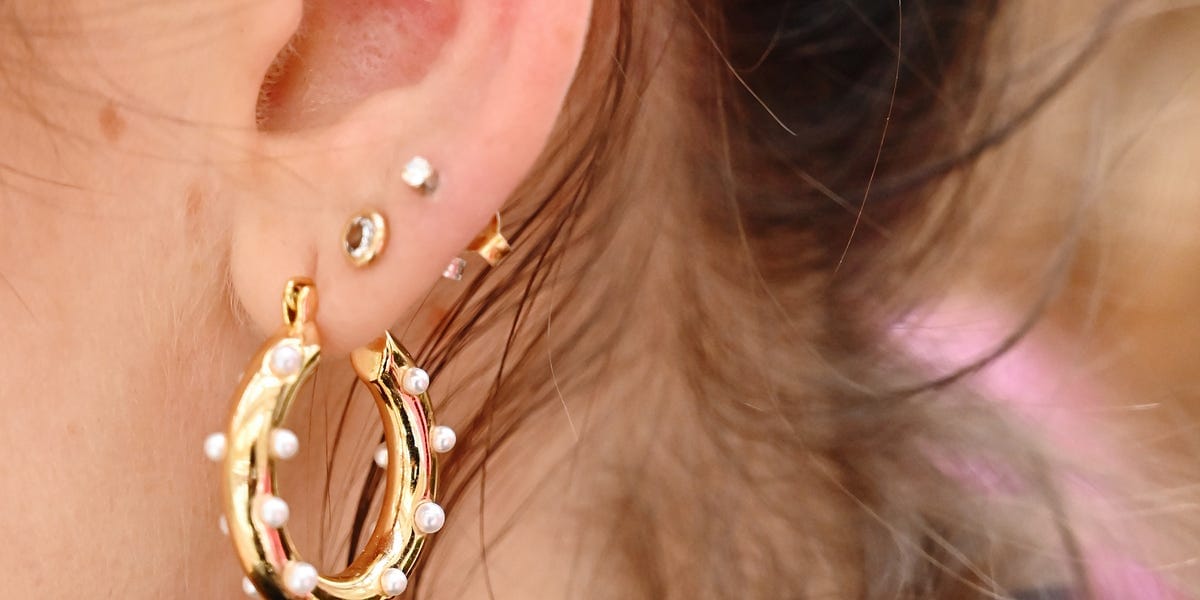
Ear seeds—those tiny, glittering acupressure studs that have colonized the ears of every wellness devotee from Brooklyn to Bali—aren't actually new. They're ancient. According to Harper's Bazaar, this resurgent trend is rooted in Traditional Chinese Medicine, a 3,000-year-old practice that treats the ear as a microsystem of the entire body. What's new is the marketing. Today's ear seeds come in gold, stainless steel, and Swarovski crystals, a far cry from the Vaccaria plant seeds practitioners once used. The trend has exploded across social media and acupuncture clinics alike—but the question lingers: does it actually work, or are we just paying for expensive placebos that happen to look chic?
Here's the mechanism: in TCM theory, over 200 acupressure points dot the ear, each corresponding to different body systems. The earlobe maps to the head and brain; the outer curve aligns with the spine; deeper regions connect to organs like the lungs, heart, liver, and kidneys. When you apply gentle pressure to these points—typically for five to ten seconds—the body supposedly releases regulatory hormones to address whatever ails you. The list of promised benefits is staggering: sleep quality, migraines, pain relief, gut health, stress, and anxiety. It's the kind of claim that makes skeptics roll their eyes and believers nod knowingly.
The Evidence (Or Lack Thereof)
The science is thin but not nonexistent. A 2013 study suggested auricular acupressure could reduce chronic lower back pain; a 2022 study found potential benefits for stress and anxiety. That's basically it. According to Harper's Bazaar, experts emphasize that consistency matters—results are cumulative, and some people notice effects immediately while others need multiple rounds before anything clicks. The catch? You need to wear them for at least five days, and ideally alternate sides, giving your ears at least a day off between applications. It's not exactly a miracle cure you slap on and forget.
Don't believe the TikTok hype about instant jawline sculpting and face slimming, either. Those results, if they happen at all, require a comprehensive approach involving lymphatic massage, acupuncture, and nutrition—ear seeds are just one piece of a larger puzzle. And the risks? Minimal. Unless you're pregnant, sensitive to metals or adhesives, or prone to fainting when you squeeze them (yes, that's a real side effect some people experience), ear seeds are safe to experiment with. The worst that happens: nothing.
The bottom line is that ear seeds are user-friendly enough to try on your own, inexpensive relative to other wellness trends, and unlikely to hurt you—but they're not a standalone solution to anxiety, pain, or any other condition.
Read the original at Harper's Bazaar.