<em>The Devil Wears Prada</em> Is a Broken Promise to Millennials
The film became a touchstone for a generation who once believed hustle was the key to success—but is now struggling, 20 years later
Reported by Harper's Bazaar.
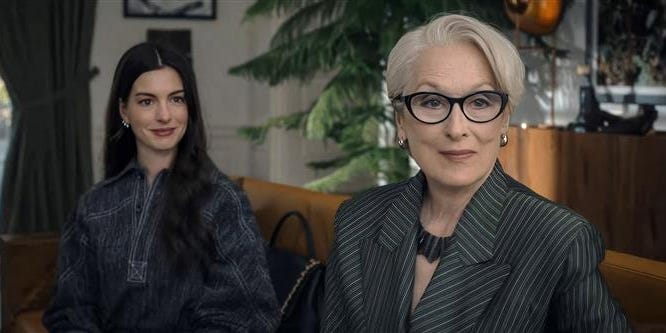
When The Devil Wears Prada hit screens in 2006, it felt like a manifesto. Here was a film that didn't just glamorize fashion—it canonized an entire attitude toward work itself. For Millennials entering the workforce right as the iPhone and financial crash were reshaping everything, the movie's central bargain felt sacred: suffer through the assistant job, sacrifice your personal life, and you'll eventually become the Miranda. You'll be the one giving orders, not fetching coffee. The original film didn't question this transaction. It celebrated it. But the sequel arrives with a much darker realization: that promise was a lie.
In Devil Wears Prada 2, Andy returns to Runway as a successful journalist—award-winning, accomplished, the kind of person who should be untouchable by now. Instead, she's been laid off. Her friends are in flux. Emily, the only one who's genuinely climbed the ladder, did so by coupling with a tech billionaire. And Andy? She's still running circles around Miranda, still being told she didn't earn her seat at the table. Two decades of hustle, and she's essentially where she started: junior to a diminished (but still imperious) mentor. The film's costume design and soundtrack are heavy with nostalgia, but those callbacks now read as something else entirely—a reminder of broken promises.
The Generation That Worked for Nothing
This isn't just about fashion media or the death of print. According to Harper's Bazaar, the film maps onto a wider economic reality that has hollowed out Millennial ambition: we are the first generation in modern history to earn less than our parents. A third of British men in their thirties live at home. Millennials are delaying marriage, children, and independence itself because the job market—the one we were promised would reward our sacrifice—never materialized. We did the unpaid internships. We did the side hustles. We optimized our personal brands on Instagram. And still, we're waiting for the promotion that never comes.
The original Devil Wears Prada arrived at the precise moment when "hustle culture" became a generational identity marker. Work wasn't just income—it was who you were. Miranda's marriage collapse was framed as a fair price for excellence. Emily's burnout was noble. Andy's broken friendships were the cost of ambition. The film never suggested there might be another way. But as the sequel quietly demonstrates, that bargain has expired. Gen Z is rejecting it outright. Even Millennials, who absorbed the message so completely we built careers and Instagram accounts around it, are finally asking: Was any of it worth it?
The most devastating moment in the sequel isn't about fashion at all—it's when Andy realizes that climbing the ladder doesn't exist anymore. The ladder itself has been dismantled. She's still bringing the coffee; she's just doing it with an award on her wall and the creeping dread that this is as good as it gets.
Read the original at Harper's Bazaar.