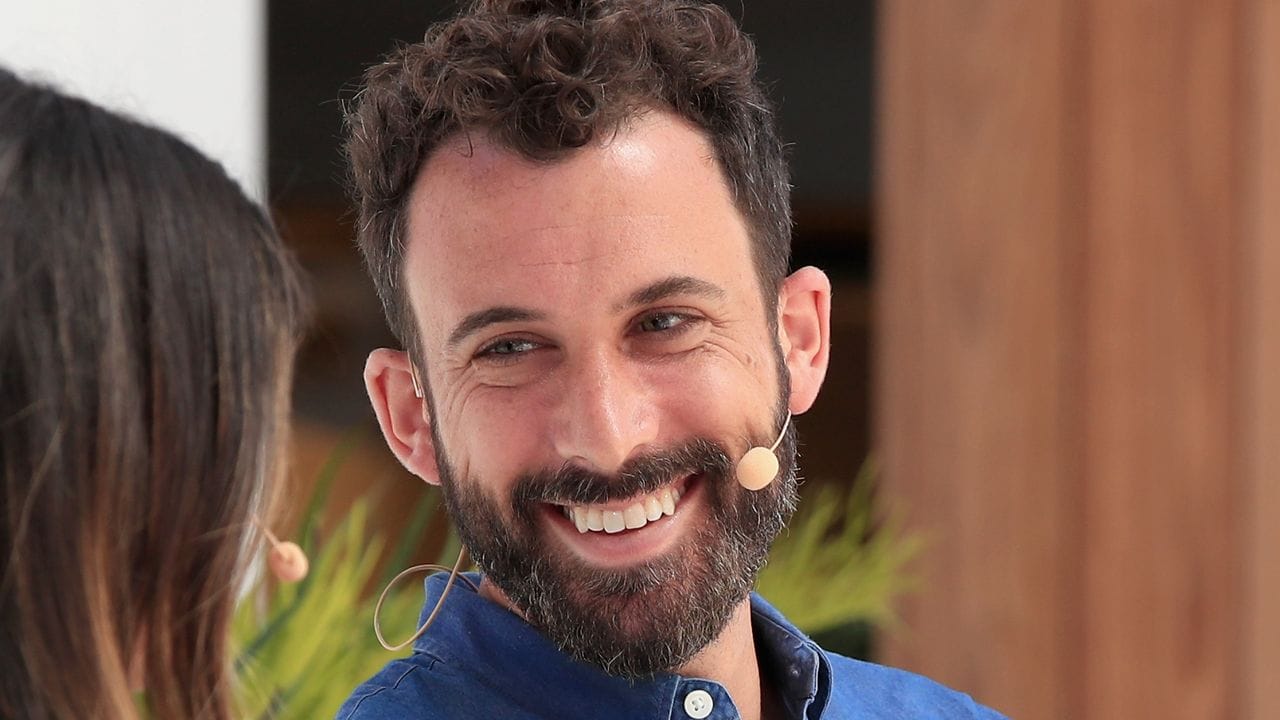
Everlane Founder Michael Preysman Weighs in on the Shein Sale—and Reveals His New Project
Michael Preysman, who has spent the last year working on an electrolyte brand called Drink Magna, steps back into the world of fashion to address what happened in his own words, and reveal what he plans to do about it.
Reported by Vogue.
On May 17, the internet collectively choked on its oat milk latte: Shein had acquired Everlane. Confirmed three days later, the deal was either the most ironic transaction in recent fashion history or a fitting coda to a brand that had slowly unraveled from its own ideals. According to Vogue, Everlane founder Michael Preysman learned about the $100 million sale just 20 minutes before it went public — which tells you everything about how far he'd drifted from the company he launched in 2011 at age 25.
The collapse wasn't sudden. Private equity firm L Catterton took a majority stake in 2020. Preysman stepped down as CEO in 2021, handing the reins to Andrea O'Donnell, who led the brand through 2024. What followed was a familiar private-equity spiral: leadership churn, layoffs, mounting debt, and a product line that had lost its grip on the customer. "The part about Everlane that wasn't working was not the sustainability part," Preysman says plainly. "It was that the product wasn't landing." Shein — a brand that has built its empire on opacity, algorithmic mass production, and rock-bottom prices — is now the custodian of a label that once staked its entire identity on knowing exactly who made your $28 t-shirt and where.
Starting Over, Again
Preysman, who has spent the past year building an electrolyte brand called Drink Magna, didn't stay quiet for long. After the news broke, he says he sat with it, meditated, and landed on a question: What would be radical? The answer is stillradical.com, a new project launching now that he describes as a reimagining of Everlane's original vision — transparency, sustainability, honest pricing — recalibrated for a consumer who has been burned one too many times. Not a traditional company, exactly. More of an experiment, he says. An open question about whether the model can actually work this time.
There's real grief underneath the pivot. "I felt let down by Everlane, but also like I let people down," he admits. The customer outrage that followed the Shein announcement — visceral, immediate, loud — clearly moved him. He reads it as proof that people still want something better, that the original idea struck a nerve that hasn't fully healed. He's probably right. The anger wasn't just about Everlane; it was about the exhausting pattern of brands selling a conscience and then selling out.
The harder truth is that good intentions and a great origin story don't keep a company alive — and whatever comes next will have to solve the actual business problem Everlane never fully cracked. Still, if the reaction to this acquisition proved anything, it's that the appetite for honest fashion is still very much alive; someone just has to be brave — or stubborn — enough to feed it.
Read the original at Vogue.