Finding Freedom as a Disabled Bride
Writer Je Banach one the challenges—and the joys—of preparing for her upcoming wedding, after recently becoming an ambulatory wheelchair user due to a neurovascular illness.
Reported by Vogue.
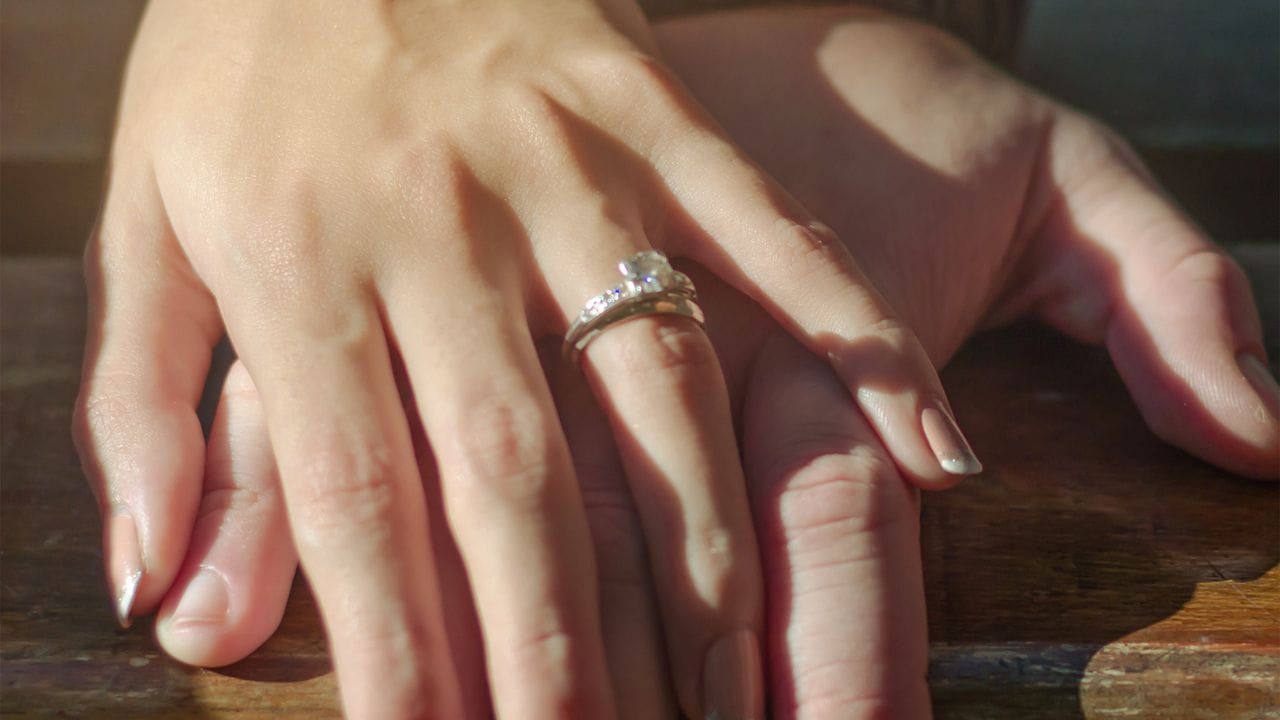
Getting engaged should feel like pure joy. For one woman, it did — and then the complicated feelings moved in. Newly an ambulatory wheelchair user after being diagnosed with Postural Orthostatic Tachycardia Syndrome (POTS), a debilitating neurovascular condition that prevents blood from circulating properly when the body is upright, she had spent years watching her world contract to almost nothing. Meeting her partner S had been its own small miracle. But becoming a bride while simultaneously reckoning with a changed body and a wheelchair? That was an entirely different negotiation.
According to Vogue, the proposal came on a river trail — a place she'd only recently felt able to return to, pushed in her chair by S, who pulled over at the site of their first date before getting down on one knee. The happiness was real and immediate. So was the grief that followed. She had never been to a small wedding. She didn't know if she could walk an aisle unassisted, stand long enough for a first dance, or even survive the ordeal of a bridal fitting room, where getting in and out of dresses would trigger a cascade of symptoms. The version of a wedding she had always imagined — the dancing, the all-day marathon of celebration — was simply not available to her body.
Rewriting the Rules
What shifted, she says, was the recognition that a bride is simply someone who is marrying someone else. Nothing more is required. Once she gave herself permission to let go of the template, the planning stopped feeling like loss and started feeling like creative freedom. A small horse farm with personal family history became their venue — chosen partly for its autumn timing, because even mild heat makes POTS unmanageable. Bridal shop appointments were replaced by mail-order try-ons at home, with S in the room, which meant the tradition of hiding the dress went out the window too. Neither of them minded. She tried a drapey blue cape dress with Stevie Nicks energy, an ivory tulle ball skirt from a Ukrainian designer, a Renaissance-inflected caramel gown with translucent puff sleeves. Traditional footwear was likely out — she was leaning toward fringed Minnetonkas or Birkenstocks, as close to her everyday barefoot life as she could get. Their officiant agreed to let them write their own ceremony, seated throughout. The officiant mentioned she'd never done it that way. She was open to it.
There's something worth sitting with here: the wedding industry sells a very specific idea of what bridal looks like — standing, moving, performing joy for a crowd of hundreds. It accommodates a very narrow body. When the constraints are removed by necessity, what remains is the actual point: two people choosing each other. Every couple bends the rules eventually; most just don't have a reason that forces them to be honest about it sooner.
The best weddings have always belonged to the couples who refused to perform someone else's idea of the occasion — and it turns out, a wheelchair, a fall farm, and a pair of fringed boots might be the most romantic setup of all.
Read the original at Vogue.