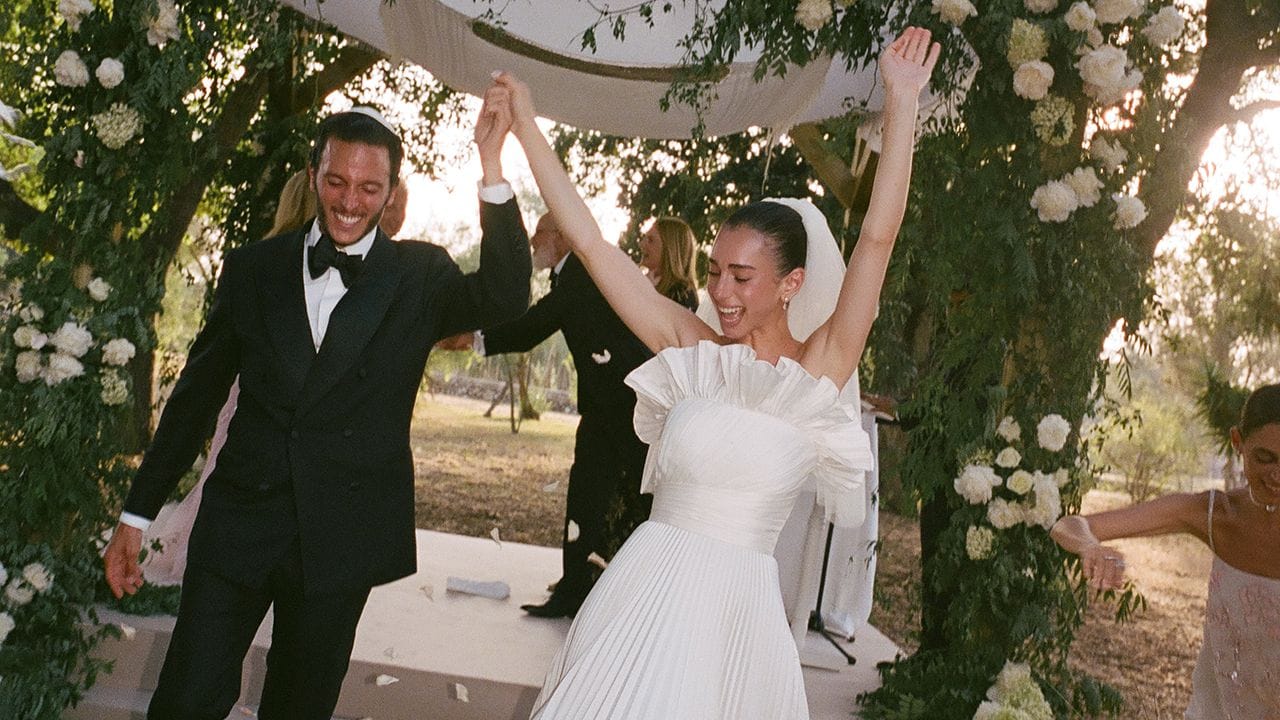
Gallerist Hannah Traore Gives Us a Tour of Her Brooklyn Bedroom-Turned-Closet
Gallerist Hannah Traore’s curatorial tastes mimic her fashion sense: both are marked by colorful pieces from up-and-coming talent. Here, she gives us a peek inside her closet.
Reported by Vogue.
Hannah Traore, the Canadian-Malian gallerist whose Lower East Side gallery showcases emerging artists, made a radical real estate decision in her Williamsburg apartment: she sacrificed her primary bedroom for fashion storage. The result is a museum-grade walk-in closet that extends floor-to-ceiling with shoes, clothes, glasses, jewelry, and bags—a solution born from New York's notoriously brutal shortage of closet space. It's a choice that perfectly mirrors her curatorial philosophy, which treats clothing with the same intentionality she brings to art.
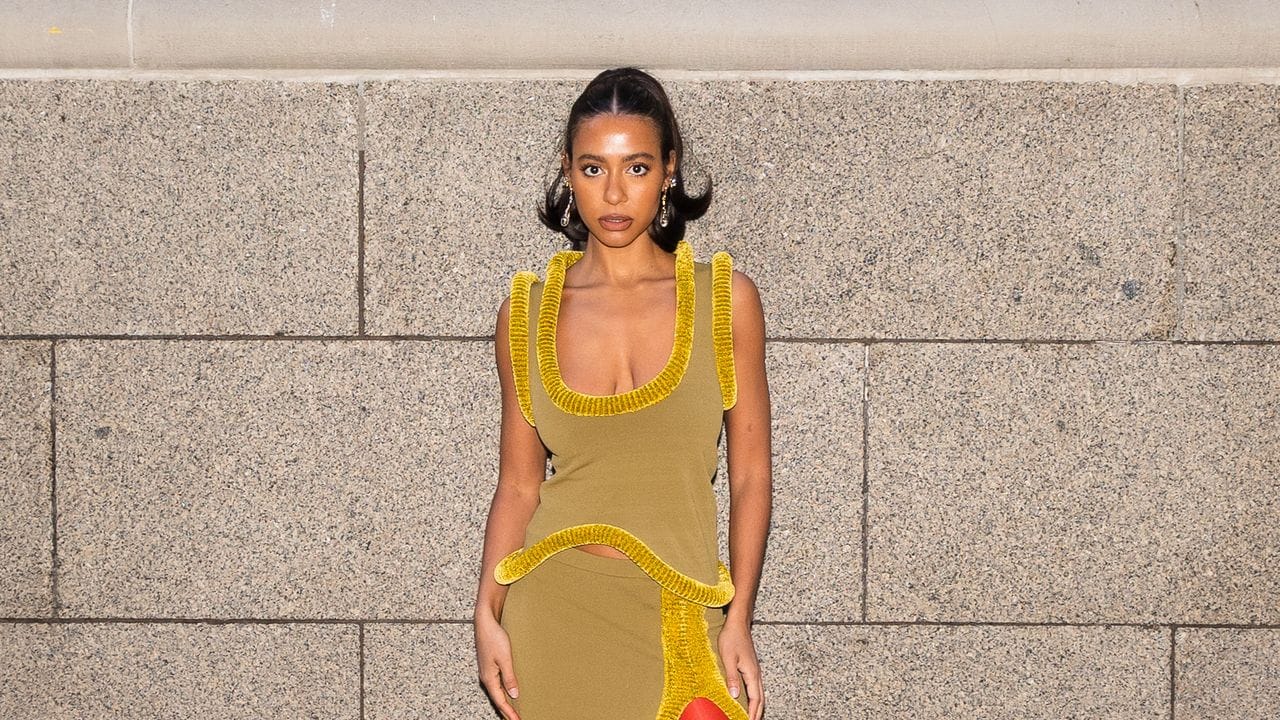
Traore's wardrobe reads like her gallery walls: cerebral, colorful, unapologetically experimental. She gravitates toward crocheted Diotima, dimensional Magda Butrym, and gilded Wiederhoeft corsetry—pieces that announce themselves, that stop people in their tracks. "I love wearing things that I haven't seen—that people haven't seen—that are sculptural, interesting," she explains. The logic is simple: why own something if it doesn't spark the same intrigue she demands from the artists she promotes?
The Closet Paradox
But even curators have their contradictions. Traoe owns 15 to 20 pairs of glasses (she recently scored a black vintage Chanel pair and obsesses over Port Tanger aviators), yet unworn orange Attico heels with a blocky heel sit perpetually untouched—they're too painful to walk in. A vintage Loewe shirt with a front zipper has languished for three years unstyled. The Isabel Marant sneaker wedges she keeps trying to donate but can't seem to let go? She's never worn those either. "I'm a very sentimental person," she admits.
The one piece she genuinely cannot live without is a CUUP bra. After years of poor fit, finding a bra that actually works transformed her entire approach to dressing. "You have to have a good base before you can do anything," she notes—a reminder that even the most intellectually rigorous fashion philosophy requires practical foundations. Her most treasured item, though, is a West African indigo-dyed suit her mother once purchased, originally made for her grandmother. It carries the weight of family history and diaspora, the kind of garment that transcends trends entirely.
The real regret? A suede zip-up shirt-jacket she gave away years ago that still haunts her styling combinations. She sold a Wiederhoeft corset online once, later regretting the impulse. These aren't fashion failures—they're evidence of a mind that curates too quickly and lives with the consequences, which is perhaps the most honest thing any collector can admit.
Read the original at Vogue.