Hidden Markets and Art Deco Gems—Leila Slimani’s Guide to Rabat
The author set her autobiographical trilogy in the city. Here she reveals the places that inspire her.
Reported by Vogue.
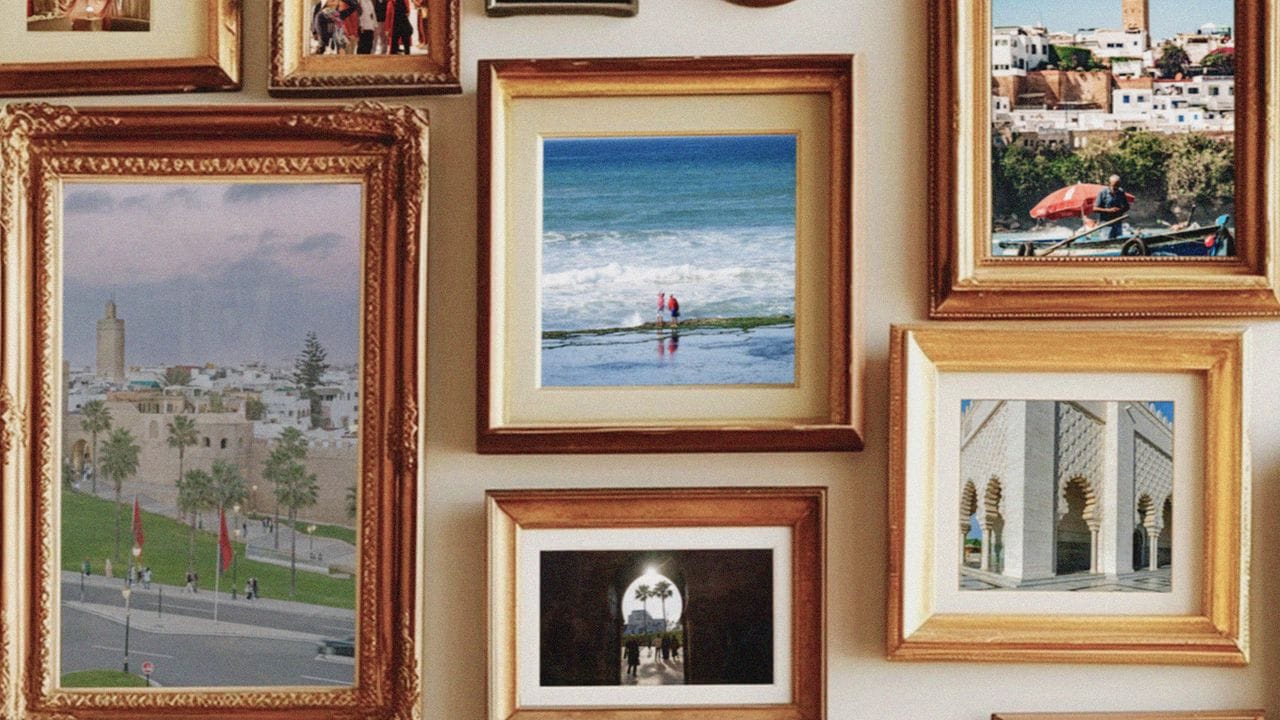
Rabat doesn't need your validation. While Marrakech has spent decades collecting tourist Instagram grids and Casablanca built its reputation on cosmopolitan cool, Morocco's royal capital has been quietly doing something more interesting: becoming itself. According to Vogue, author Leila Slimani — whose autobiographical trilogy In the Country of Others is rooted in the city's bones — watched Rabat get written off as sleepy and diplomatic for years. Now she'll tell you it's the most beautiful city she knows, and she has a point.
The infrastructure is sharper, the cultural venues have multiplied, and the gardens have been overhauled. Zaha Hadid designed the city's new Royal Theatre — Africa's largest, shaped like a whale — and the Waldorf Astoria just opened inside the Mohammed VI Tower with 360-degree views over the Bouregreg Valley. But Slimani's Rabat isn't a glossy rebrand. It's mint tea at Café Maure in the Casbah des Oudayas, served by the same waiter she's known since childhood. It's Maymana patisserie — a female-founded chain that started in a home kitchen and now sells in airports across Morocco. It's La Mamma, an Italian restaurant where her parents met in the 1970s, still serving the same pizza.
Where to Shop the City's Creative Pulse
The shopping here rewards the unhurried. On Rue des Consuls, Medina Crush stocks La Cotière tees and sweatshirts alongside tableware that mixes wit with craft. Ocean 17 — built inside a former Art Deco car workshop — carries clothing, accessories, and cosmetics made entirely in Morocco, with a café next door that doubles as a cultural events space. For beauty, Maroc Maroc has modernized traditional formulas with argan oil and Rhassoul clay without losing the plot. And if you want something made by hand with actual history behind it: Houria Tazi Workshop employs 45 embroiderers preserving Moroccan tableware traditions — visits by appointment only, which tells you everything about the energy here.
Then there's the market circuit. The Central Market is where Slimani bought roses with her mother on Sundays — mint, orange blossom, and warm bread still scent the air. Nearby, the Art Deco Cinema Renaissance has been fully restored; its first-floor café serves Tchaba teas on a wide balcony where Rabat's emerging art crowd lingers on weekday mornings. For secondhand books, Avenue Mohammed V's Mohamed Aziz has been operating his stall for over 40 years with a personal collection exceeding 5,000 titles. The Museum of Photography, housed in a 19th-century fortification on the Corniche, and the Mohamed VI Museum of Modern and Contemporary Art round out what is, quietly, a serious cultural capital.
Rabat has never needed to shout — and that restraint, it turns out, is exactly what makes it worth paying attention to now.
Read the original at Vogue.