How a 1984 Keith Haring-Graffitied Suitcase Inspired Louis Vuitton’s Resort 2027 Collection
What do Pop and travel or uptown and downtown have in common? They all came together in Nicolas Ghesquière’s imagination as he dreamt up his latest LV collection.
Reported by Vogue.
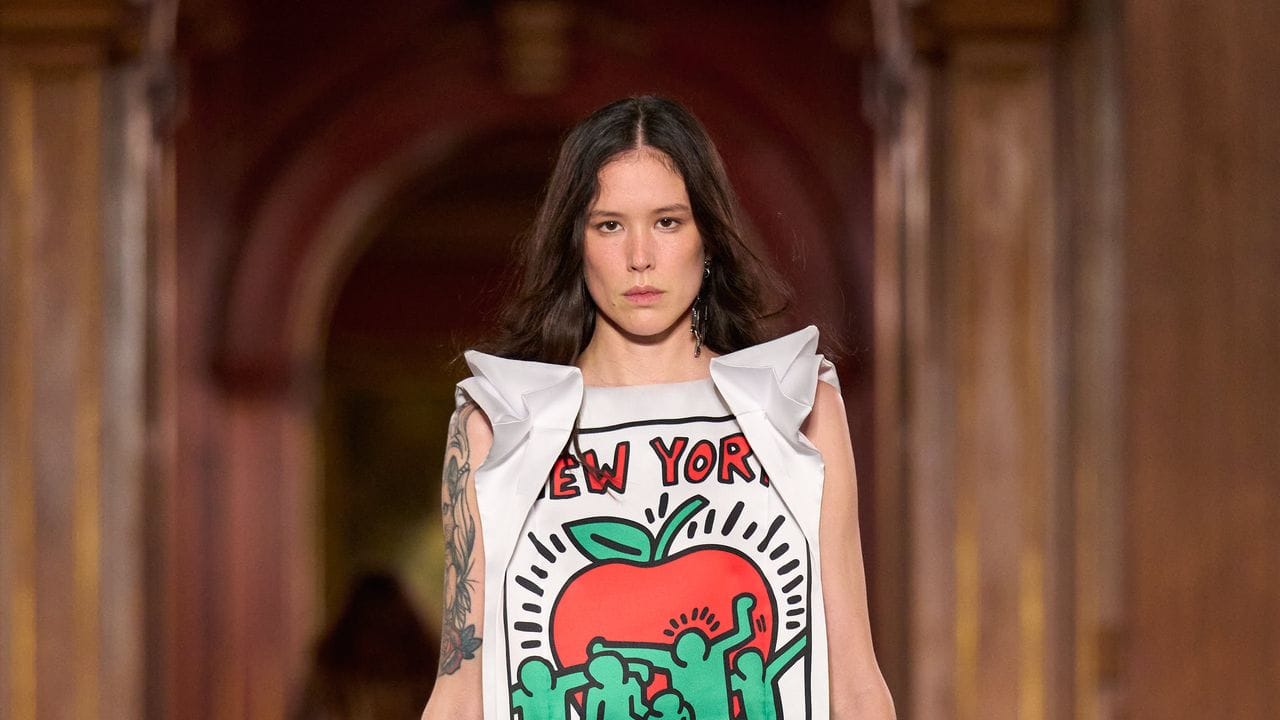
A beat-up brown leather valise with no logo, covered in Keith Haring's hand-drawn figures, doesn't look like the starting point for a major luxury collection. But that's exactly what it is. According to Vogue, the suitcase — customized by Haring in 1984 and acquired by Louis Vuitton's archive after selling at Bonham's for roughly $35,000 in 2020 — became the conceptual anchor for Nicolas Ghesquière's Resort 2027 show, presented at the Frick Collection in New York. The bag opened the show, carried by the first model down the runway.
Haring didn't treat the suitcase as precious. "He had a habit of drawing on objects and was very generous," Simon Castets, Executive Director of the Keith Haring Foundation, told Vogue. "He really valued ubiquity — he wanted his art on as many things as possible." That generosity had stakes: Haring died of AIDS-related causes in 1990 at just 31, and the Foundation he left behind channels its mission toward HIV/AIDS causes, youth services, and arts organizations. Castets noted that bringing the bag to a wider audience directly serves that philanthropic legacy, which he says "is even more active since he passed."
Downtown Meets Uptown, Then and Now
The tension Ghesquière was working with is distinctly New York: Gilded Age wealth versus 1980s downtown energy. The Frick itself is a monument to the former — Henry Clay Frick literally commissioned an organist to play while he sat on a Renaissance throne and surveyed his Rembrandts on Saturday afternoons. Into that airless opulence, Ghesquière dropped Haring's graphic, kinetic streetwork and a Peaches soundtrack. The uptown-downtown divide of the '80s, the same decade the designer keeps returning to, was the whole point. Haring's UFO drawing, one of the collection's visual touchstones, nods to Ghesquière's persistent obsession with sci-fi.
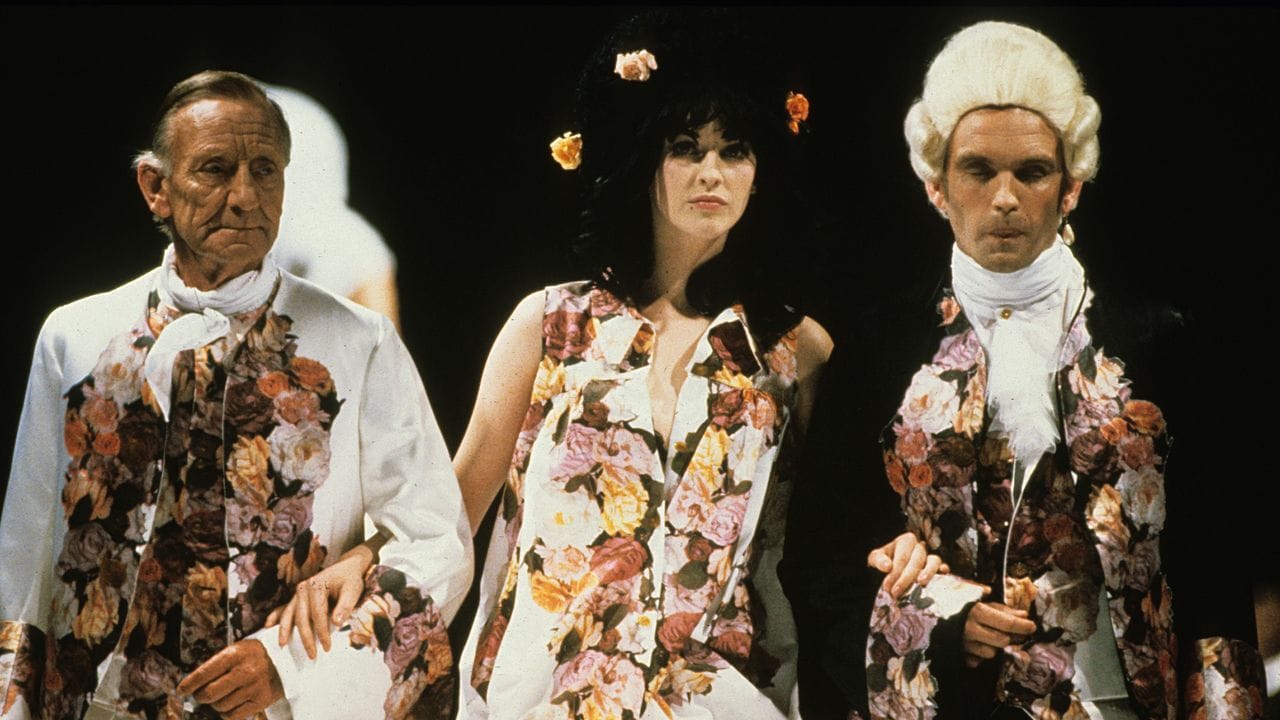
The collection also lands inside a longer Louis Vuitton lineage worth naming. The house's relationship with artists predates its now-standard collaborations: in 2001, Marc Jacobs asked Stephen Sprouse to graffiti the LV monogram canvas, setting a template the brand still uses. What's less known is that Sprouse's fall 1998 collection, Signature, was itself a collaboration with Haring. Ghesquière may or may not be deliberately threading that needle, but the effect is a reframe — the house's art world entanglement isn't a 21st-century marketing strategy, it's practically baked in.
There's something satisfying about a scratched-up suitcase doing the heavy conceptual lifting at one of fashion's most storied houses — proof that the most interesting ideas in luxury aren't always the pristine ones.
Read the original at Vogue.