How Much Nostalgia Is Too Much Nostalgia?
In an era defined by uncertainty and content saturation, nostalgia offers instant recognition. But as fashion continues to bank on the past, experts caution whether it can still deliver cultural relevance for the future.
Reported by Vogue.
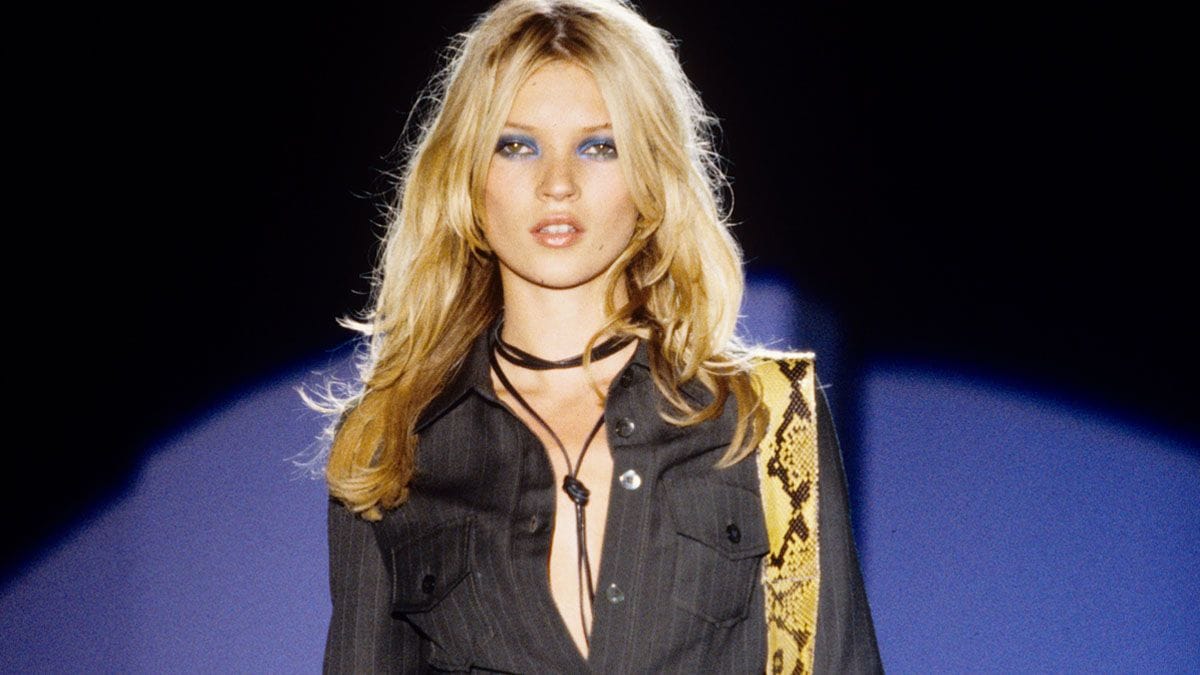
Fashion's current obsession isn't a vibe — it's a survival strategy. According to Vogue, the year kicked off with a 2016 revival aesthetic, and it hasn't slowed down since: Kate Moss closed Demna's Gucci debut in a look referencing Tom Ford's iconic SS97 collection, the Devil Wears Prada sequel landed with collabs from Valentino to Tresemmé, Ryan Murphy's Carolyn Bessette biopic reignited '90s minimalism and gave Calvin Klein a cultural moment, and even the Celine Phantom bag clawed its way back through Michael Rider's SS26 offering. The throughline is unmistakable. Nostalgia isn't trending — it's taken over.
"In times of economic, geopolitical and general uncertainty, consumers are drawn to nostalgia because it's easy to romanticize the past as 'safer' or 'happier' when the future is uncertain," says Alice Crossley, deputy foresight editor at The Future Laboratory. She's also naming something the industry doesn't love to admit: creativity is under pressure, AI is flattening briefs, and economic anxiety is making brands risk-averse. The safer play is the proven play — which is why so many houses are sprinting back to their own golden eras rather than trying to define a new one.
When comfort becomes a crutch
Nasreen Alimohamed, founder of consumer platform Interline Ventures, puts it plainly: "Everything is driven by volume rather than authenticity." The brands leaning hardest into nostalgia, she argues, are often the ones that have lost the thread of a deeper story — legacy houses mining past glamour because producing that magic in the present feels out of reach. Meanwhile, she points to Matthieu Blazy at Chanel as proof that genuine creativity — and joy — can be more commercially potent than comfort. Annie Corser, senior editor for pop culture and media at Stylus, pushes back on the idea that nostalgia is inherently lazy, framing it instead as "a valuable tool of retention" in a media landscape that eats content alive. The distinction she's drawing: nostalgia as cultural preservation versus nostalgia as creative abdication.
What's shifting now, Corser argues, is the emotional register. "People are feeling fatigued, anxious even, by this tyranny of newness. They want legacy, provenance, evidence of effort." Brands that navigate this well are the ones using nostalgia as a foundation rather than a destination — see Adidas's AI-assisted Backyard Legends World Cup film, which collapsed soccer generations into one timeline without feeling like a museum piece. Coach is a sharper fashion example: rather than re-issuing early-2000s It-bags wholesale, the brand has repositioned heritage silhouettes like the Tabby through Gen Z's styling language — self-expression over status, circularity through Coachtopia, creator-led campaigns over archival reverence. "Our approach to 'expressive luxury' is about creating timeless, versatile products that inspire confidence, paired with storytelling rooted in real insights about their lives," says Jennifer Yue, SVP of strategy and consumer insights at Tapestry and Coach.
The brands that will last aren't the ones with the best archives — they're the ones with something real to say about now.
Read the original at Vogue.