How Queer Clubbing Has Shaped Fashion as We Know It
“Sex, Clubs, Dissent,” a new book edited by London-based culture writer Amelia Abraham, offers an intimate insight into the world of queer nightlife.
Reported by Vogue.
Queer clubbing has never needed a revival — it has simply always been. Long before it became shorthand for a certain kind of cultural cool, the low-lit, bass-heavy room was doing something far more essential: functioning as sanctuary, laboratory, and battleground all at once. That history is not new. What is new is how rarely mainstream culture actually honors it rather than just borrowing its aesthetics.
Right now, the borrowing is everywhere. Charli XCX, Troye Sivan, and FKA twigs have delivered some of the most talked-about music of recent years; Seán McGirr's McQueen and GmbH have pulled directly from queer club codes; Emilia Wickstead's spring 2026 collection cited Robert Mapplethorpe as its patron saint-slash-sinner. Jordan Firstman's Club Kid just landed at Cannes to near-hysteria. And yet, according to Vogue, most of these moments stop at aestheticization — the strobes, the darkrooms, the telegraphed hedonism — without ever getting under the skin of what these spaces actually mean.
The Book That Finally Gets It Right
Sex, Clubs, Dissent, a new anthology of archival photography and commissioned essays, is the corrective. Assembled by London-based writer and editor Amelia Abraham, the book brings together photographers including Wolfgang Tillmans, Phyllis Christopher, Del LaGrace Volcano, Lola Flash, and Bernice Mulenga, alongside critical essays and artist conversations — among them a dialogue between Legacy Russell and Tourmaline titled Clock Those Dreams. Abraham conceived the project five or six years ago after going looking for exactly this book and finding nothing. "What??" was, apparently, her precise reaction. The title is deliberate on every word: sex, she says, because we remain in a puritanical climate around queer sexuality despite visibility gains; clubs for the architecture of belonging they create; dissent because nightlife has always been political — much of HIV/AIDS-era activism was born directly out of it.
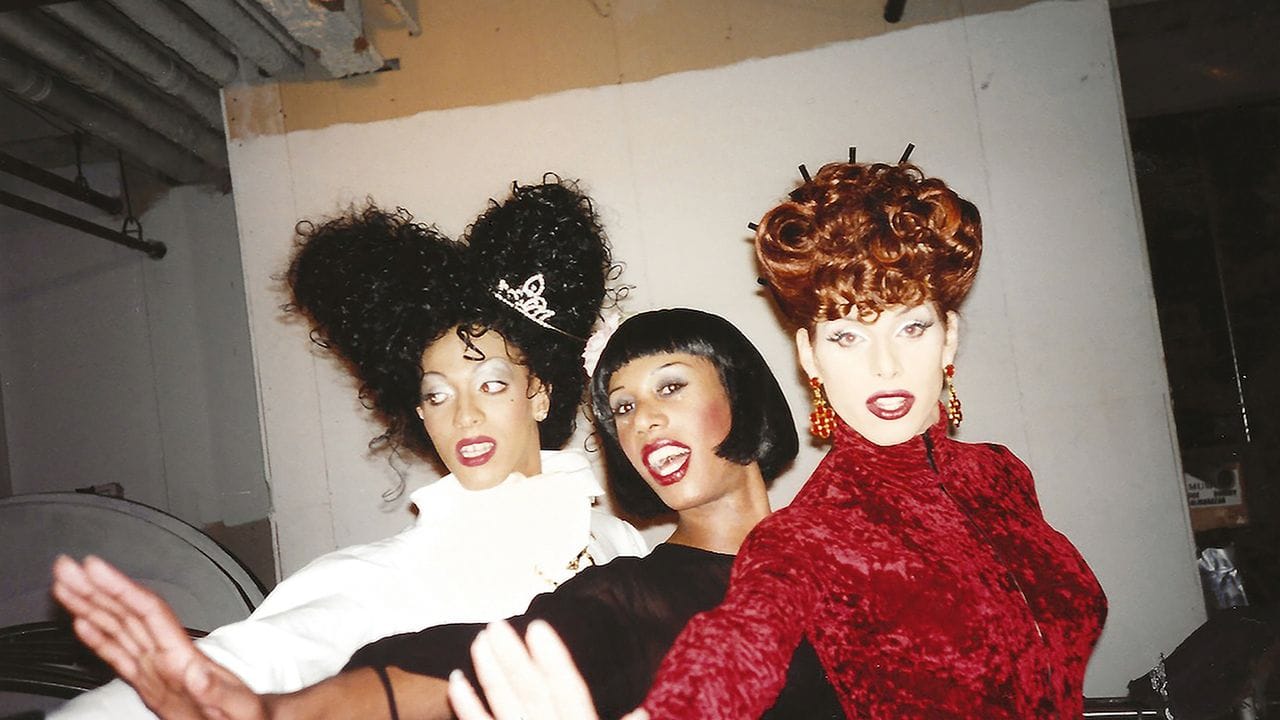
What the book does particularly well — and what a lot of trend-chasing collections fail to — is expand the frame. Abraham wanted the before and the after: getting ready, staying home because you're already having too much fun, the kiss outside the door, the unexpected morning-after. On fashion specifically, the images don't just document what people wore — they capture how they wore it. The movement, the posture, the pose. A Leigh Bowery shot by Dave Swindells; Kary Kwok's image from Andrew Logan's Alternative Miss World; Mirko Albini's photographs from Milanese club Plastic, where the looks were, in Abraham's words, simultaneously "regal and ridiculous." The point isn't nostalgia — it's lineage. Ballroom. Bowery. The entire gestural vocabulary that contemporary fashion draws from without always crediting the source.
Style has always had queer nightlife to thank for its most radical moves — and Sex, Clubs, Dissent is the receipt.
Read the original at Vogue.