How to Sell: Vintage and Secondhand
Resale is no longer a side market for luxury, but an increasingly established part of shopping.
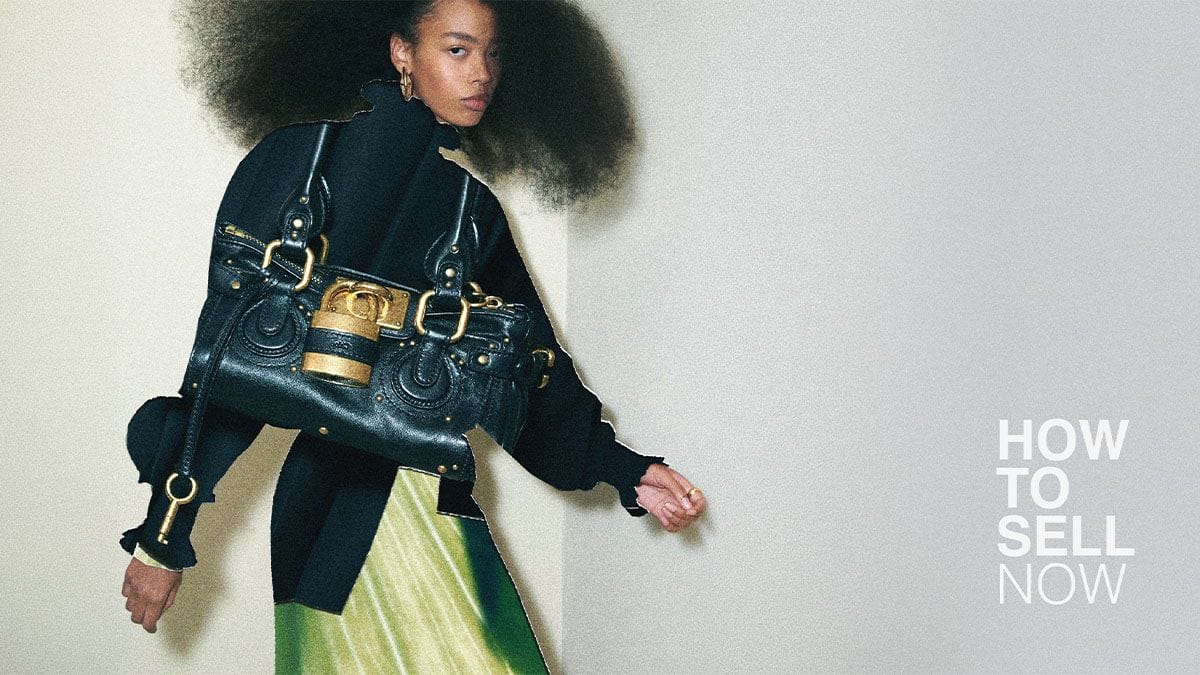
Reported by Vogue.
The resale market has officially outgrown its reputation as fashion's scrappy afterthought. What started as a niche corner of the industry — thrift stores, eBay listings, the occasional lucky vintage find — has quietly restructured how consumers think about buying luxury altogether. According to Vogue, nearly one in five shoppers purchased luxury items through resale platforms like Vestiaire Collective, Poshmark, or Depop in the last six months. Among Gen Z, secondhand shopping through curated vintage boutiques hits 23%. Both numbers beat out social shopping and live commerce, which means resale isn't an emerging format — it's already the dominant alternative channel.
The motivations driving this shift are more layered than sustainability messaging alone would suggest. Yes, 43% of secondhand luxury shoppers cite environmental responsibility as a factor — but uniqueness leads at 44%, and competitive pricing ties sustainability at 43%. Consumers aren't just buying used because it's virtuous. They're buying used because it's better. Focus groups revealed a specific appetite for pieces tied to past creative eras — Y2K Dolce & Gabbana, early aughts Chanel — described as more characterful and better constructed than what's on shelves today. "For Gen Z, pre-loved is not a compromise, but a more expressive and culturally relevant way to shop," says Kirsty Keoghan, general manager for European fashion and luxury at eBay.
From Impulse Buy to Investment Logic
Resale is also rewiring how shoppers evaluate value before they ever make a first purchase. Thirty-four percent of respondents now factor resale potential into buying decisions, and the data backs their instincts: Vestiaire Collective reports that Hermès bags can appreciate roughly 40% over five years, while a Chanel Timeless climbs approximately 17%. "Unlike fast fashion or lower-quality accessories, true luxury items benefit from long-term desirability, rarity, and brand heritage," says Klemen Drole, Vestiaire's chief business officer. Even clothing — historically not considered a financial asset — is shifting. "People understand that fashion has value in the secondary market," says Elizabeth von der Goltz, chief revenue officer at Poshmark, which counts around 165 million active users. "It's big business."
But momentum doesn't mean frictionless. Trust is the deciding factor in whether a resale transaction actually happens. A striking 88% of secondhand luxury shoppers say clarity on product condition is essential; 85% require authentication from a credible source. Community signals — seller ratings, shipping history, peer reviews — matter more than platform breadth or curated assortments. AI is improving search and pricing intelligence, but it hasn't replaced the human layer. "Technology can support this, but it does not replace the need for human validation," says Ben Gallagher, head of UK brand and growth at Fashionphile. "Trust is ultimately driven by proof and reputation rather than automation alone." Shoppers are cross-referencing TikTok creators, online authentication communities, and AI image analysis simultaneously — building confidence from multiple angles before committing.
The resale market isn't disrupting luxury — it's redefining what luxury means, and the brands that understand that will design, price, and position accordingly.
Read the original at Vogue.