If Kombucha’s the New Tequila, What’s Next for Alcohol Brands?
As alcohol brands work to stay relevant with a generation that drinks differently to those before it, here are the strategies shaping wine and spirits’ next phase of growth.
Reported by Vogue.
When Kylie Jenner quietly retired her canned cocktail brand Sprinter in favor of an electrolyte drink called K2o, it wasn't just a celebrity pivot — it was a signal. The functional beverage market is exploding, with prebiotic soda Poppi hitting a $400 million valuation and Olipop clearing $500 million in sales, while alcohol quietly enters what one industry analyst is calling "suspended animation." According to Vogue, global alcohol consumption grew just 0.6% in 2024, and only 23% of consumers now drink on a weekly basis — numbers that are forcing an entire industry to rethink its identity.
The financial reality is impossible to ignore. Diageo's fiscal 2025 operating profit dropped 27.8%, and even Moët Hennessy — the kind of name that once seemed recession-proof — is watching every major spirits category contract in its biggest market. "Demand is not particularly well-positioned today," Moët Hennessy president Jean-Jacques Guiony said during the company's January earnings call, noting that only ready-to-drink, low-priced canned formats are actually growing. Spiros Malandrakis, global insights manager of alcoholic drinks at Euromonitor International, frames the moment bluntly: premiumization — the industry's dominant strategy for the past two decades — is hitting a wall. "This monolithic, one-dimensional approach of 'Let's make everything premium' is reaching its limits in this economy," he says, predicting a split between luxury loyalists who can afford to trade up and a much larger group who will trade down or sideways.
The Mindful Pour Is Reshaping the Glass
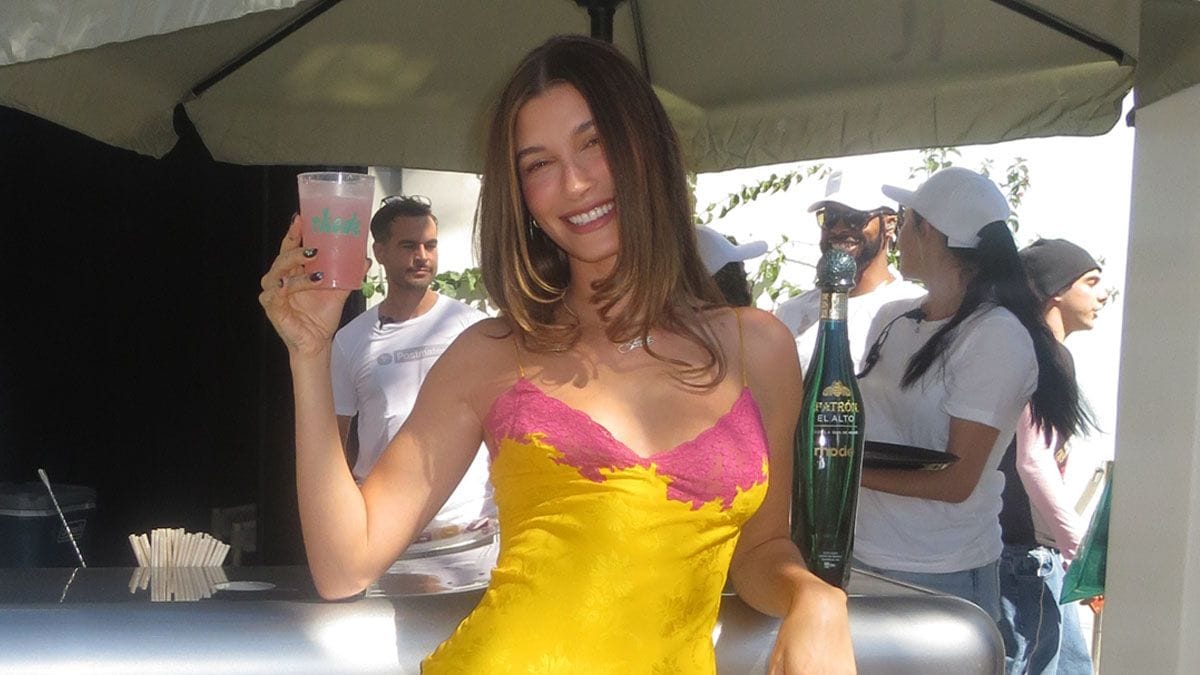
Where premiumization still works, it's getting specific. Patrón's global SVP Roberto Ramirez Laverde points to a consumer who is increasingly label-literate — more than 8 in 10 US consumers now read labels before buying, with 63% paying closer attention than five years ago. Patrón's answer is hyper-craft positioning: its newest expression, Patrón 100, is a small-batch, 100-proof tequila built around centuries-old tahona production, marketed directly to bartenders and connoisseurs through its Let's Roll tour. The pitch isn't volume — it's credibility.
But credibility is also being redefined by wellness. Mid-strength alcohol — think 6% ABV wines rather than full-strength pours — is quietly becoming a category of its own. UK data from Ocado Retail shows mid-strength sales up 41% month-on-month and 74% over two years, with the retailer expanding its mid-strength range by over 200% in the past year alone. Gabriella Lamb, co-founder of mid-strength wine brand 6Percent, describes a consumer who no longer sees drinking and wellness as opposing camps. "It's no longer about being on or off," she says, "but about becoming more intentional with how you drink." That intentionality is reshaping social rituals too — run clubs followed by low-ABV drinks, Pilates-and-wine evenings, pottery nights paired with mid-strength pours. Hospitality venues are following: Soho House has expanded its low- and no-alcohol menus, while London's Legado restaurant runs cocktail flights of single sips, letting guests explore flavor without committing to a full pour.
The brands surviving this moment aren't the ones trying to reverse the tide — they're the ones fluent enough in both craft and culture to meet a new kind of drinker exactly where she is.
Read the original at Vogue.