Inside the Otherworldly Lucas Museum of Narrative Art in Los Angeles
George Lucas and Mellody Hobson on the massive new architectural icon—housing their personal collection of art and artifacts—opening in September 2026
Reported by Vogue.
George Lucas built an empire on the belief that certain stories are universal — that myths of good and evil, of young men leaving home, of forces larger than themselves, cut across every culture on earth. That conviction gave us Star Wars. Now, according to Vogue, it has given Los Angeles something even more ambitious: the Lucas Museum of Narrative Art, a nearly billion-dollar structure that Lucas and his wife, Ariel Investments CEO Mellody Hobson, designed, funded, and willed into existence on their own terms.
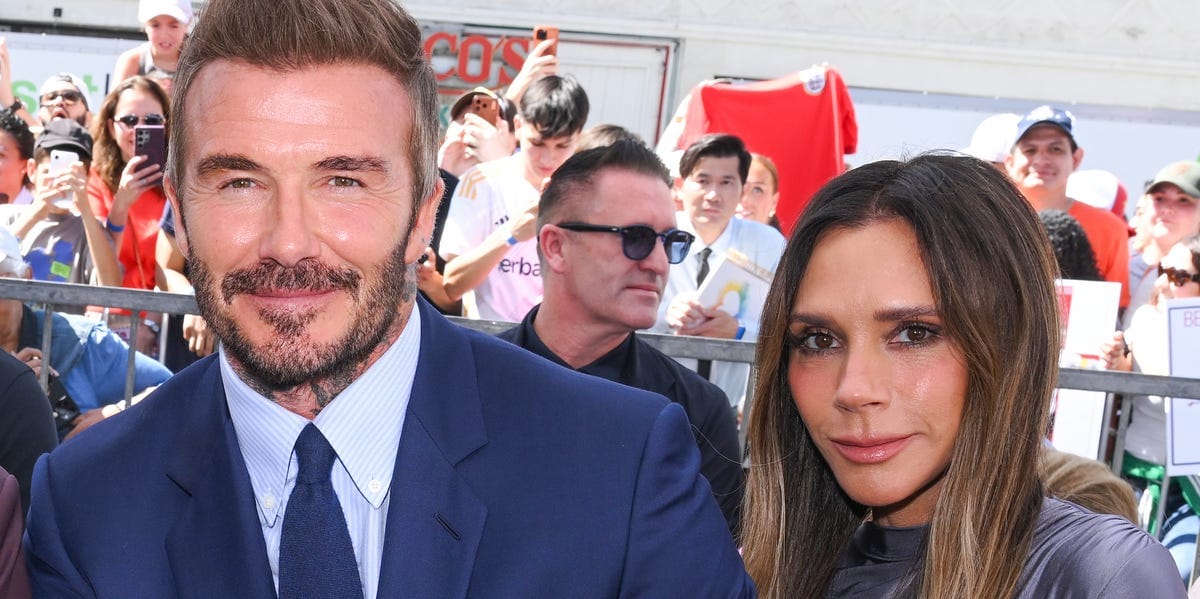
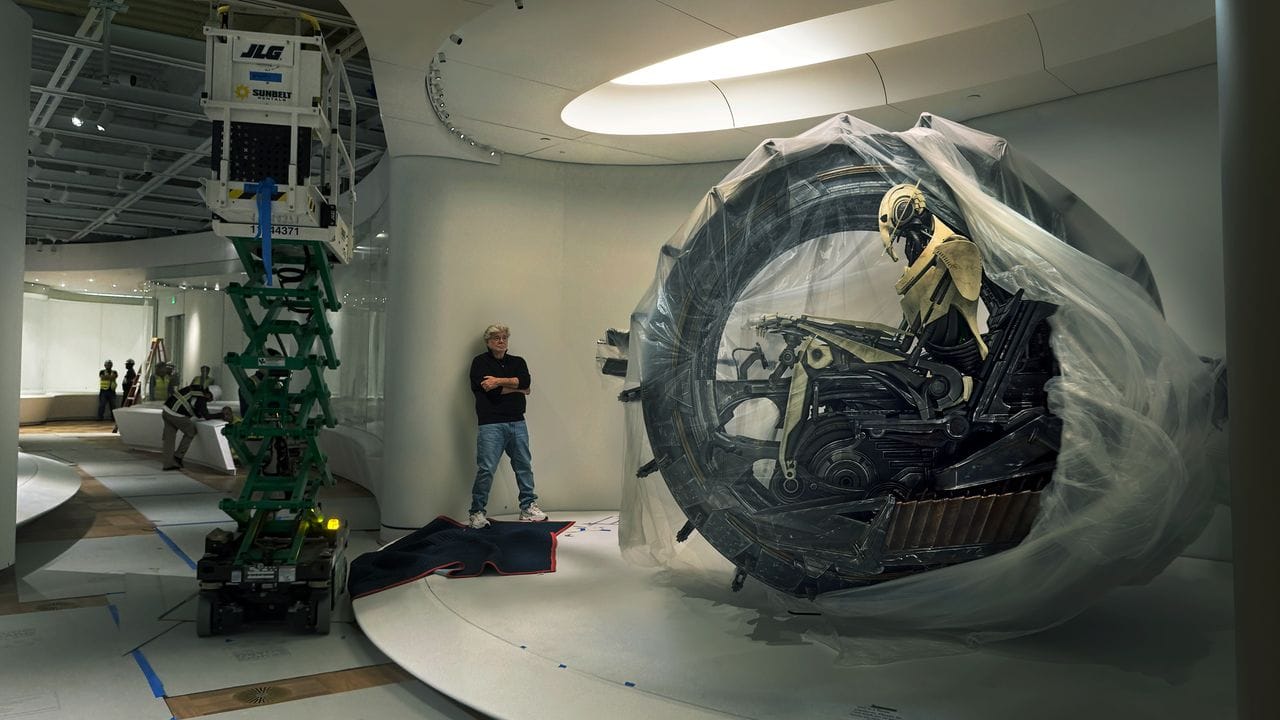
The building alone earns its place in the conversation. Architect Ma Yansong used parametric modeling — essentially digital sculpting — to shape a structure assembled from 1,500 school-bus-sized fiberglass panels, each fitted together like a three-dimensional puzzle by human crews. The result is a five-floor, right-angle-free interior of sweeping ceilings and glass-tube elevators, set within a landscaped park by Mia Lehrer that doubles as the roof of two underground parking garages. "It's a piece of modern architecture so of its time that you couldn't have built it 15 years ago," says Stantec principal Michael Siegel. Designer Stella McCartney, a longtime friend of both founders, put it more plainly: "I wouldn't even call it a project — that's just not big enough a word. It's like another limb for them." Sir Lewis Hamilton, who watches movies with Lucas on race-free mornings, described the interior as "like walking through George's brain."
The Museum Built for the Kid Who Couldn't Afford the Gift Shop
What makes the Lucas Museum genuinely interesting — beyond the architecture and the franchise adjacency — is the philosophy underneath it. Hobson, who grew up as one of six children raised by a single mother in Chicago before reaching Princeton and the top of American finance, shaped the institution around the child she used to be. The gift shop will carry something covetable for 25 cents: a pencil printed with "First Draft," "Second Draft," "Third Draft" along its shaft. The cafeteria menu was steered away from pesto-Gruyère territory toward white bread and Kraft singles. More than a hundred schools sit within a 10-mile radius, and that proximity is the point. "I wanted kids who don't have a lot of advantages to see stuff they can relate to," Lucas says.
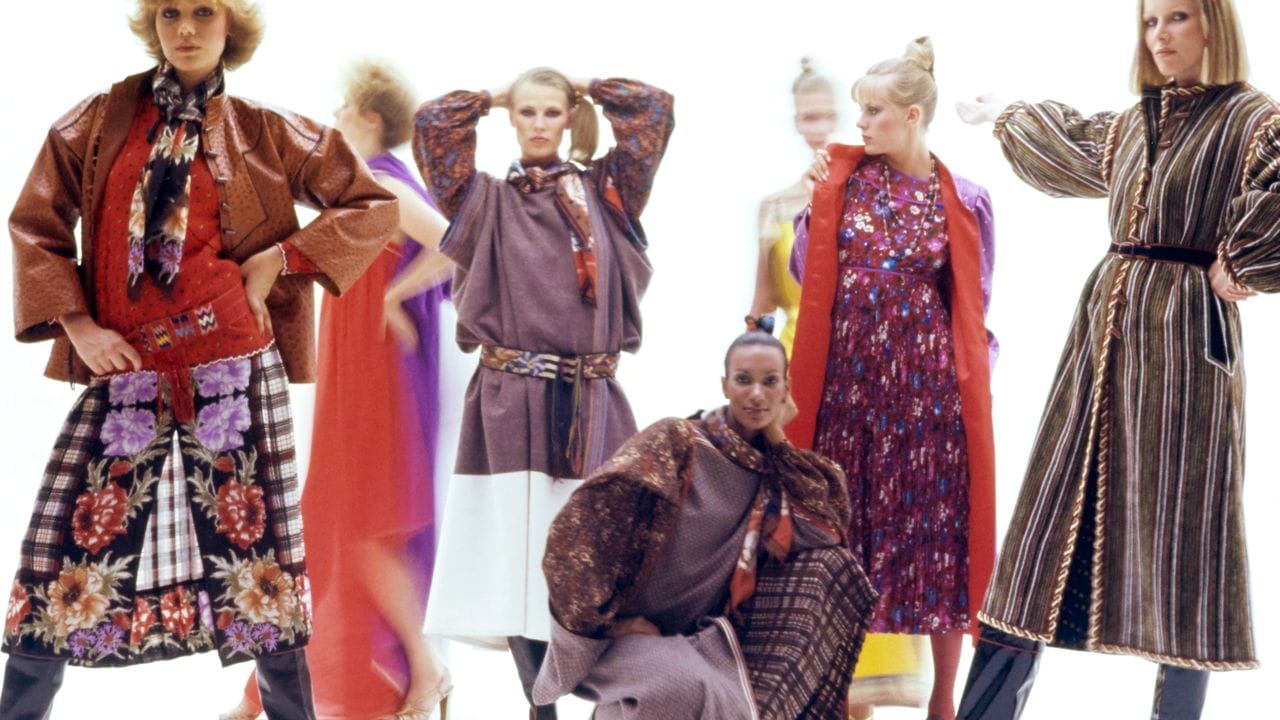
The collection itself resists the obvious move of becoming a Star Wars shrine, though it doesn't ignore what gets people through the door either. One gallery will include franchise vehicles and models — Hamilton is already planning to spend most of his time there — while the broader program spotlights narrative art across time, including 20th-century illustrators like Maxfield Parrish. Lucas, who once wanted to make abstract, nonnarrative cinema before a space myth about robots and the Force changed everything, has spent decades sitting with a question that the museum is now his answer to: how stories shape society, and who gets to be inside them.
The Lucas Museum is proof that the most radical thing a billionaire can build isn't the biggest or the most expensive — it's the one that leaves a 25-cent pencil on the shelf for the kid who's counting.
Read the original at Vogue.