Is No One Doing Baby Aspirin for Heart Disease Prevention Anymore?
Cardiologists explain.
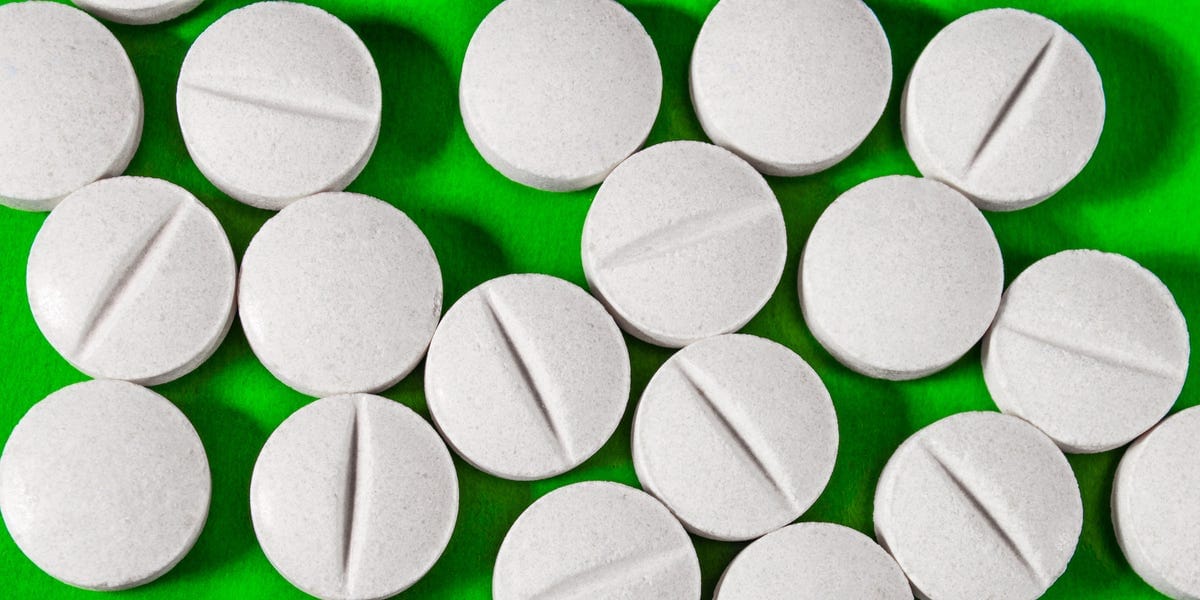
Reported by Women's Health Magazine.
For years, baby aspirin was the quiet hero of preventative medicine—a daily ritual for anyone worried about their heart. The logic was straightforward: thin your blood, reduce clot risk, dodge a heart attack. But somewhere between 2018 and now, millions of people quietly stopped taking it. According to Women's Health Magazine, prescriptions for low-dose aspirin as cardiovascular prevention plummeted 57 percent, dropping from 7.2 percent of primary care visits to just 3.2 percent. Something shifted. And it wasn't the aspirin.
The science did. Earlier research suggesting aspirin's protective powers turned out to be far less convincing than initially thought—and the bleeding risks? Suddenly harder to ignore. "Previous studies didn't show consistent benefit, and when they did, it wasn't strong," explains Dr. Jim Liu, a cardiologist at Ohio State University. "Aspirin carries real risks like gastrointestinal bleeding." Meanwhile, medicine got smarter about managing the actual culprits: high cholesterol and high blood pressure. Why take a pill with uncertain payoff when you could aggressively treat the conditions you can measure and control?
So who actually needs it?
The updated guidelines are ruthlessly specific. The American College of Cardiology and American Heart Association now recommend against routine aspirin for primary prevention. The U.S. Preventive Services Task Force went further in 2022, advising adults 60 and older not to start it at all. But here's the nuance: aspirin still has a job. "The strongest evidence is for people who've already had an event—a heart attack, stroke, or stent," says Dr. Kevin Shah, cardiologist at MemorialCare Heart Vascular Institute. Outside of secondary prevention, it becomes personal. Dr. Aeshita Dwivedi at Northwell's Lenox Hill Hospital puts it bluntly: "One size doesn't fit all." She evaluates each patient's atherosclerosis severity and bleeding risk individually before prescribing.
The bottom line: a daily baby aspirin isn't the universal insurance policy it once seemed. If you've been taking one, or considering starting, your cardiologist needs to see your full picture—not just your age or a number on a risk calculator. Better prevention looks less like a daily habit and more like honest conversation about what your heart actually needs.
Read the original at Women's Health Magazine.