It’s a Hot Divorcée Summer. How Can Brands Tap In?
Women of a certain age are facing down life after marriage with abandon, and they want their clothes to keep up.
Reported by Vogue.
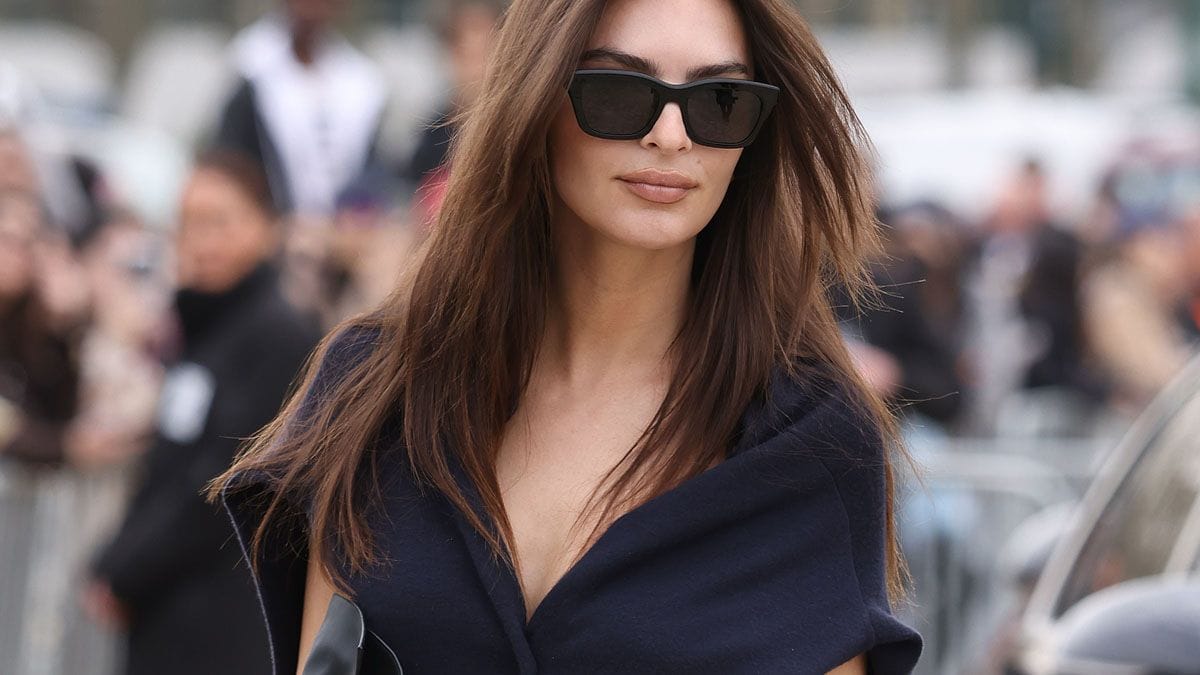
Call it what you want — a vibe, an era, a cultural reset — but the aesthetic has arrived and it has an attitude. Big sunglasses, medallion necklaces, wide-brimmed hats, organza dresses worn with maximum intention: hot divorcée summer is officially the fashion moment of the season. And according to Vogue, it's less about divorce and more about a seismic shift in how women — particularly women of a certain age, with a certain amount of money — choose to take up space.
The early signals were hard to miss. Reformation launched a Divorce Collection in February featuring attorney Laura Wasser and a "Dump Him" sweatshirt. Brands like Buci followed with their own divorce-coded campaigns. Designer Mishka Ivanovic, who created one for her label, sums up the underlying logic neatly: "We love men, and they're great, but they don't need to be in the center of our ecosystem." What that looks like in practice? High-quality eveningwear, dramatic wedding-guest dresses with zero bridal energy, and an overall willingness to dress like someone with something to say. Senior retail analyst Krista Corrigan at EDITED describes the mindset as the consumer "treating herself as the main character, leaning into maximalist apparel and high-glam accessories." This is not the quiet luxury chapter. This is the loud, expensive, unapologetically visible one.
The Money Is Already There
Here's where it gets interesting for brands: nearly 45% of Gen X are luxury consumers, women over 55 control more than 73% of total US household wealth, and the average Gen X American outspends other consumers by roughly $18,000 annually. The Gen X beauty market alone is projected to grow to 1.3 times its current size within five years. This is not a niche. Stylus content director Emily Gordon-Smith calls Gen X "the most lucrative and reliable customer segment growth opportunity that exists" — and fashion keeps ignoring her. The demographic remains dramatically underserved while brands pour resources into courting consumers who are, as Gordon-Smith puts it plainly, "the most cash strapped."
The aesthetic codes of this moment are specific. Stylist Allison Bornstein reports her clients — women in their 40s, 50s, and 60s — are pivoting hard toward sheer fabrics, silk shantung, velvet, and taffeta over last year's boxy, stiff tees. "We want to feel luxe and expensive, but we don't need a tight bodysuit," she says. Stylist Rachel Zoe, whose post-divorce appearance in a backless, slinky gown became cultural shorthand for a whole new chapter, describes her shift toward sheer, body-aware pieces as her "freedom era." Trend forecaster Cate Khan at Trendalytics clocks Alaïa — up 196% in social engagement — as the label that best captures the mood. High-vamp heels are up 2,380% in searches; funnel-neck trenches, up 1,773%. Even fine jewelry is in on it: designer Jean Prounis reports clients wearing seven-carat diamonds to coffee, and statement jewelry is up 42% among key influencers. The brands consistently named as getting it right — Khaite, Victoria Beckham, Gabriela Hearst, Chloé — are, notably, all led by women.
The fashion industry has spent years chasing younger, broker consumers while an entire generation of women with real spending power, evolved taste, and zero interest in disappearing into their clothes has been waiting — impatiently, in excellent sunglasses — to be dressed properly.
Read the original at Vogue.