Leena Nair on the 2025 Rebound, Chanel-Mania and Menswear
The global CEO of the French house speaks to Vogue about the company’s 1.8% sales growth in 2025.
Reported by Vogue.
Chanel didn't need Matthieu Blazy's debut to arrive in stores to start its comeback. According to Vogue, the house posted $19.3 billion in revenue for 2025 — a 1.8% increase on a constant currency basis — and operating profit climbed 5.2% to $4.7 billion, reversing a 4.3% revenue decline the year prior. Global CEO Leena Nair credits the turnaround to a long-term investment strategy executed throughout 2024: capital expenditure rose from $1.4 billion to $1.76 billion, 41 new boutiques opened across fashion, fragrance, beauty, and fine jewelry, and $700 million went directly into supply chain integration. The groundwork was laid quietly. The payoff was loud.
Zoom out and Chanel's numbers look like a steadying hand in a lurching market. LVMH dipped 1%, Kering fell 10% — while Hermès climbed 8.9% and Prada Group 8%. Chanel sits precisely in the middle, which, given the volatility, reads less like mediocrity and more like discipline. The Americas led regional growth at 7.2%, Europe followed at 2.5%, and Asia-Pacific slipped slightly at -0.8%, though South Korea and Japan showed improvement. Ready-to-wear and the new Chanel 25 bag — fronted by Dua Lipa — powered fashion; Chance Eau Splendide and skincare drove fragrance and beauty; Coco Crush kept watches and fine jewelry humming. CFO Philippe Blondiaux noted high-single-digit growth rates across categories in the back half of 2025, momentum he says has carried into early 2026.
The Blazy Effect (And What It Isn't)
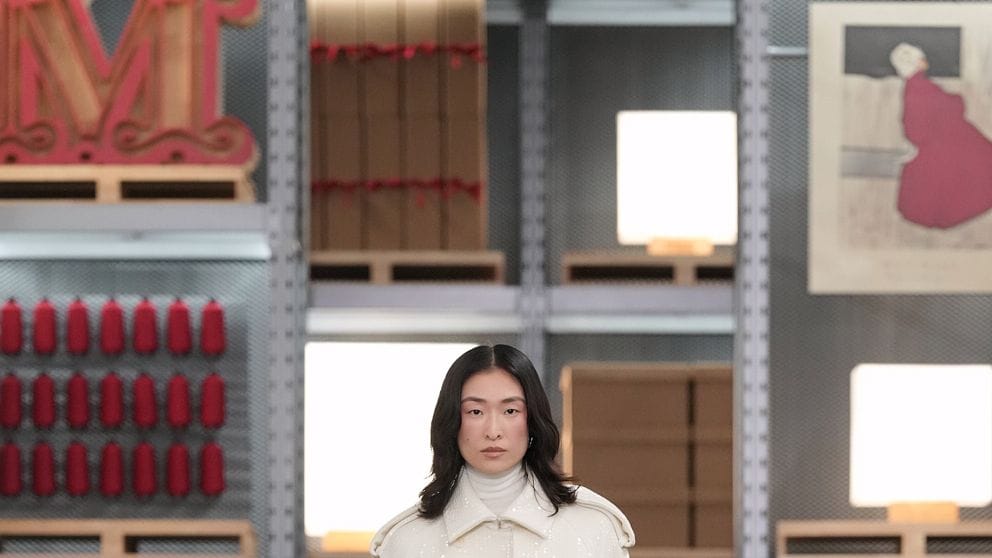
Blazy's collections have only been in boutiques since March 2026, so attributing hard numbers to his tenure is premature — Nair says so plainly. But early signals are strong: client excitement, staff enthusiasm, and a Métiers d'Art show staged inside a New York subway in December that has the U.S. market anticipating its June store arrival like something genuinely cultural. "The whole collection is a love story to New York," Nair says. His contributions — an attention to fabric, a lightness, a joyful reinterpretation of house codes — are expected to positively shape 2026 figures. For now, the house is resisting the pressure to inflate expectations.
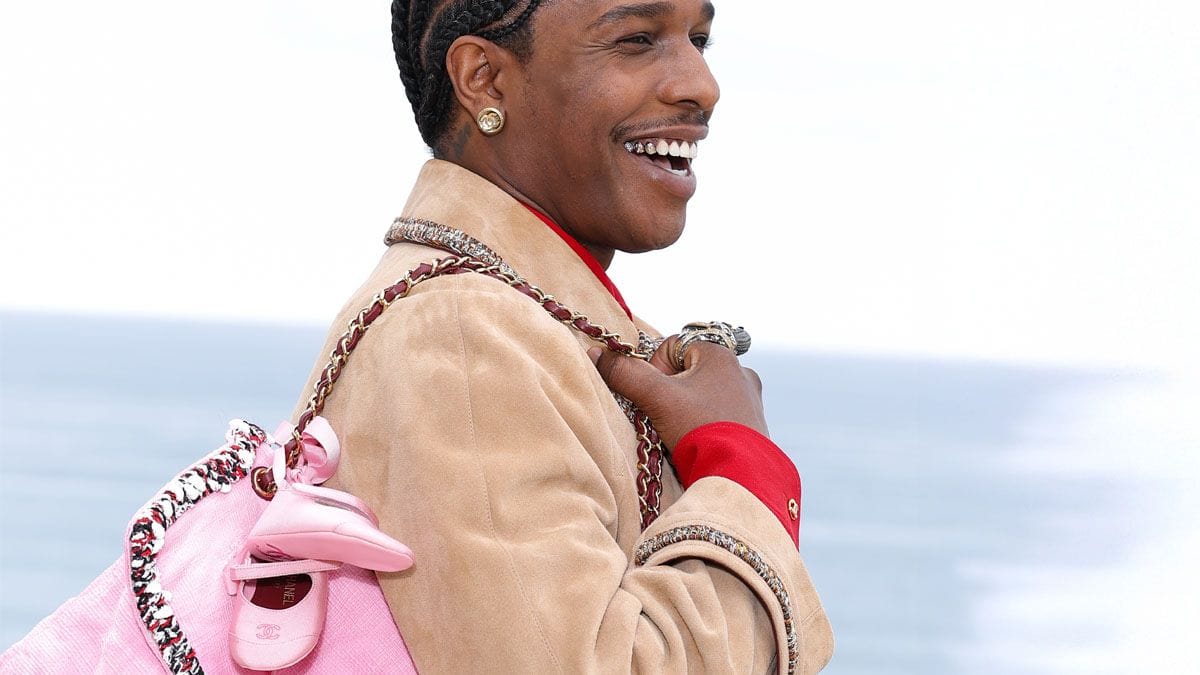
On pricing, Chanel passed on a March 2026 increase, holding to 2-3% adjustments only when currency fluctuation demands it. A September review is possible but not promised. And on menswear — fueled endlessly by Pedro Pascal's ambassador appointment — Nair is unambiguous: "The men's line is not on the agenda." What she will acknowledge is that Chanel has always operated in the space between genders, drawing from men's wardrobes since Coco herself borrowed cuts and silhouettes, and that men wearing Chanel jackets in boutiques today is not new, not a pivot, just the house doing what it always has. As for the soleless heels from the Resort 2027 show in Biarritz — essentially bare heels strapped to feet — Nair is delighted: "You will see me wearing them for sure."
Chanel's 2025 story isn't a rebirth narrative — it's proof that the houses playing the longest game are the ones still standing when the market steadies.
Read the original at Vogue.