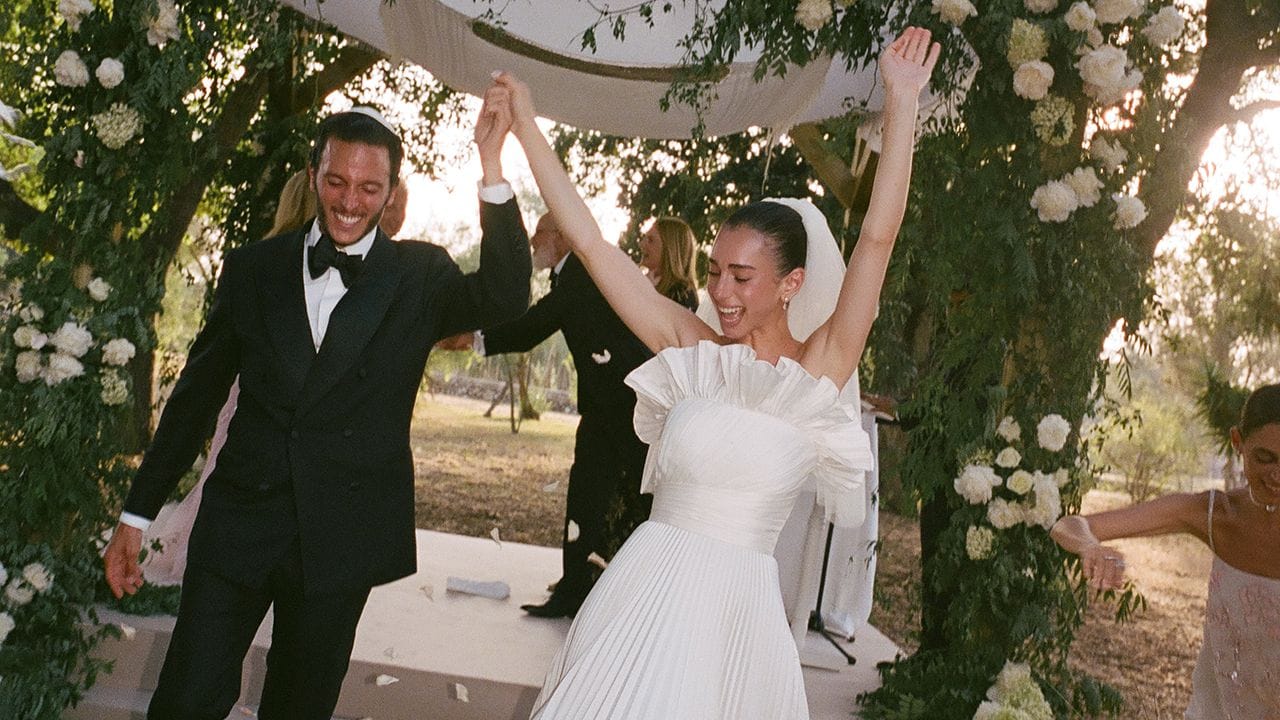
Scene Report: What Design Insiders Wore at Salone del Mobile
Pernille Teisbaek shares her favorite looks from Milan’s design week.
Reported by Vogue.
At Salone del Mobile, the world's biggest design fair, fashion becomes architecture. People travel to Milan not to be seen, but to look—really look—at how things are made, why they matter, and what they say. Unlike fashion week's peacocking, Salone's street style whispers. Logos disappear. Loud colors are nowhere. What emerges instead is a masterclass in restraint: pieces that work together because of craft, not because some brand told you they should.
The attendees here speak fluent design. They're the kind of people who choose a belt bag for its ergonomic genius, not its label. They layer a jersey under a blazer because the contrast feels true, not trendy. They understand that a great coat doesn't need company—it's the whole story. Watch what design insiders actually wear when they're not performing for cameras, and you'll notice something radical: less is the flex.
The Quiet Uniform
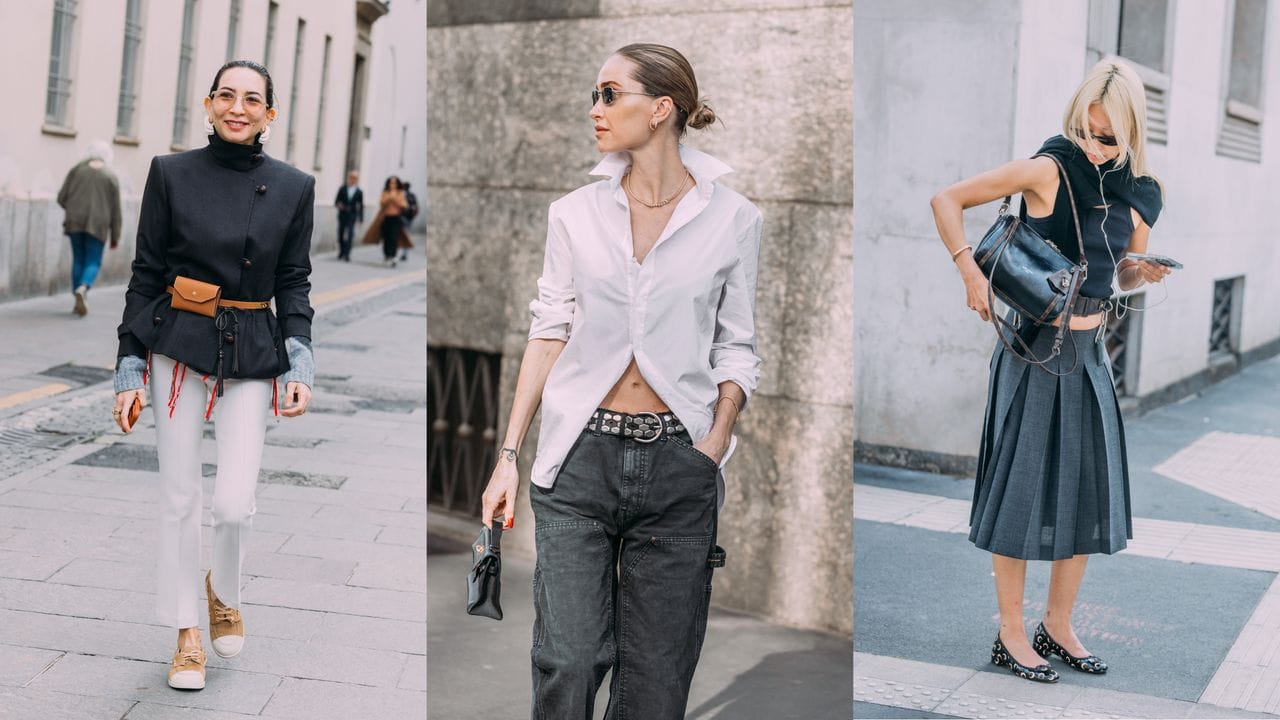
Tailored trousers dominated, paired lean—a high-waisted cut with a thin black belt, topped with a knit or leather, striking that impossible balance between serious and approachable. Pleated skirts, potentially stuffy, got their edge back through unexpected pairings: patterned ballet flats, low-slung belts, a studied nonchalance that says "I didn't try too hard." The staple shirt—whether oversized in cotton poplin or fitted silk—stood alone, needing no jacket to justify its existence. Worn open over cargo pants or tucked into relaxed denim, it proved that structure and ease aren't enemies.
Statement outerwear was everywhere: long colored trenches and silk coats thrown over vests and basics, doing the heavy lifting so everything underneath could breathe. These weren't accessories. They were permission slips. And utility pieces like belt bags? They weren't ironic nods to practicality—they were the whole point, sitting at a jacket's drawstring to define the waist while keeping hands free. This is how people who actually understand design get dressed: they solve problems before they create looks.
The lesson isn't about buying specific pieces. It's about thinking like a designer yourself—considering how things fit together, what each layer does, where the real story lives. That's the Salone difference: fashion as function, function as fashion.
Read the original at Vogue.