Taylor Swift Opens Up About the Making of “All Too Well”
The pop superstar opens up about the track, inspired by her famous ex, like never before
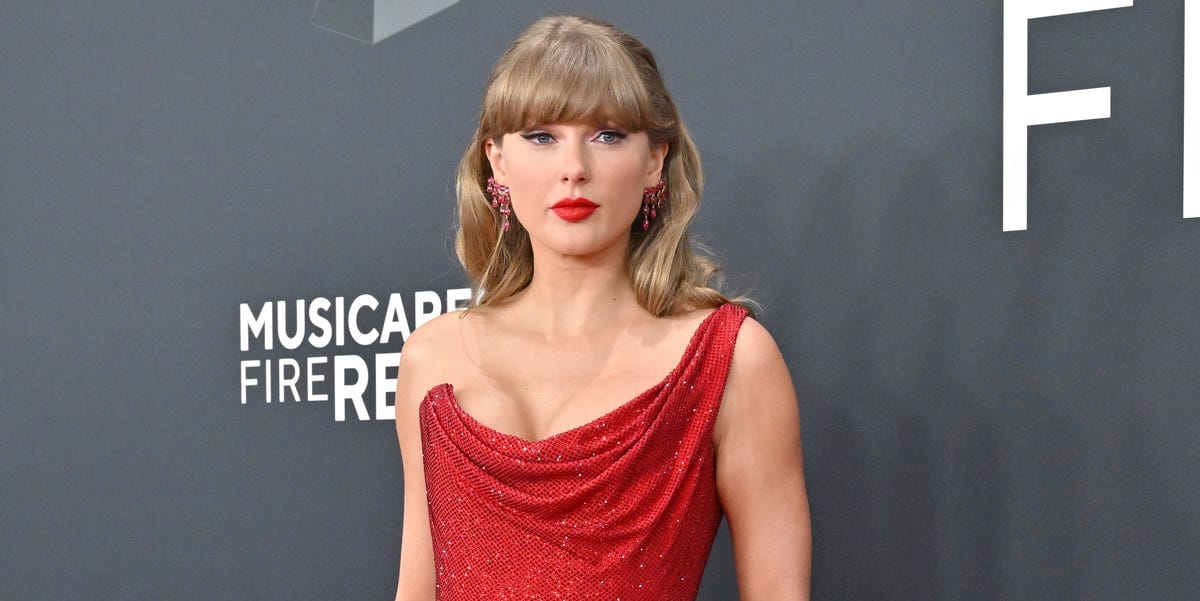
Reported by Harper's Bazaar.
Taylor Swift didn't set out to write one of her most dissected songs—it basically wrote itself. According to Harper's Bazaar, during a 2010 soundcheck for the Speak Now tour, a then-21-year-old Swift sat down, cycled through the same four chords repeatedly, and let loose. "I was excruciatingly sad," she told The New York Times, which recently named her among its 30 Greatest Living American Songwriters. "Sadness is you. You are sadness." That emotional spiral became "All Too Well"—a song that would define a decade of fan obsession and speculation.
The track wouldn't have existed without a lucky accident. Swift's rambling extended past 10 minutes, raw and unstructured, but when someone (her mom, she recalls) asked the sound engineer to preserve the recording, he confirmed he had. "I would have walked away from it if he didn't have a recording," she admitted. The original version sat untouched for years, its intensity too unfiltered even for Swift's standards. When she finally recorded it for her 2012 album Red, she pared it down to five-and-a-half minutes, softening the "really angry, scathing parts" into something "more palatable." The specificity remained—the green scarf, the autumn leaves, the heartbreak—but the rage got calibrated.
The 10-Minute Reckoning
Swifties demanded the extended cut for years. Swift eventually obliged, but retrieving that original rant proved harder than she expected. "I was going back through diaries and finding little fragments of it," she explained. "I didn't have the old thing anymore." She hunted through safes for the CD, pieced together forgotten lyrics, and essentially performed forensic emotional archaeology on her own work. When Red (Taylor's Version) arrived in 2021, the 10-minute version finally surfaced—and it became the longest song ever to hit number one on the Billboard Hot 100.
What started as a soundcheck catharsis became a masterclass in artistic restraint versus raw honesty. Swift's willingness to restore and release the messier version proved fans understood something she'd learned to doubt: sometimes the unpolished rant hits harder than the refined song. The Grammy-winning short film she directed to accompany it only deepened the cultural moment. Swift called the restoration "the most extensive process I've ever done on a song," adding with finality: "I don't think I'll ever experience anything like that again." Fair enough—most artists never accidentally create a masterpiece in the first place.
The real power of "All Too Well" lies not in its polish, but in Swift's decision to eventually let us hear the pain before it became a product.
Read the original at Harper's Bazaar.