The 57 Best Strength Exercises to Stay Strong and Pain-Free During Pregnancy and Postpartum
Build countless workouts with this guide.
Reported by Women's Health Magazine.
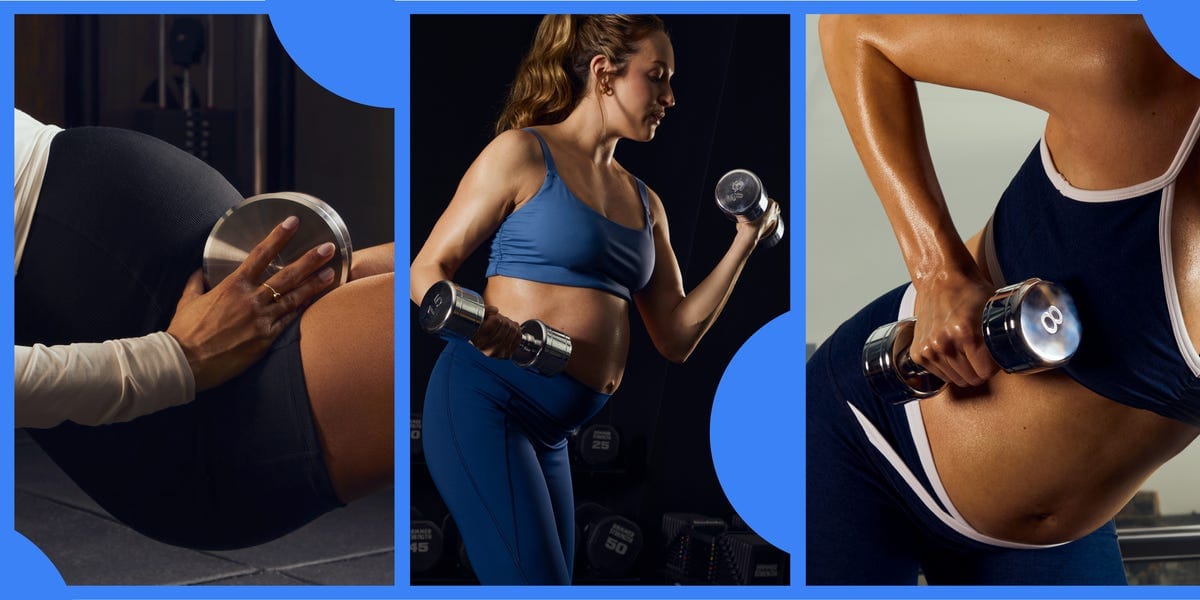
Yes, you need to add strength training to your pregnancy to-do list—right after you figure out that insane stroller situation. Walking and swimming are fine, but lifting weights is genuinely one of the best things you can do for your pregnant and postpartum body. According to Women's Health Magazine, strength training reduces pain in the hips, back, and pelvis while improving posture, core function, and mental confidence. The payoff: you'll feel stronger through labor and recover faster postpartum.
The real insight here? You don't need a totally different workout plan just because you're pregnant. Charlie Barker, a prenatal fitness specialist and founder of Bumps and Burpees, explains that smart programming with appropriate load adjustments is what matters. The fundamentals—squats, hinges, rows, presses, carries—remain the same. Think of it as your usual strength toolkit with thoughtful tweaks to support your shifting center of gravity and pelvic floor. Kristie Alicea, a certified prenatal fitness specialist and co-founder of ABC Fit Collective, frames it simply: you're physically preparing for the demands of motherhood, not doing something fragile or specialized.
Stop Stressing About Coning
Here's where we need to talk about the thing everyone's been anxious about for no reason. Coning—that slight bulge along your midline during planks, heavy squats, or overhead presses—has been demonized for years with warnings it could worsen diastasis recti (abdominal separation). New evidence-based guidance says: relax. According to Sheridan Skye, a registered nurse and prenatal fitness coach, there's zero evidence that coning is dangerous or worsens separation. In fact, 100 percent of pregnant women experience some abdominal separation naturally as the uterus grows. Think of coning as feedback, not a red flag—it signals your core is working harder during that particular movement. If there's no pain, no pelvic floor strain, and you maintain good form, you can keep going. Christina Prevett, a pelvic floor physiotherapist at the University of Alberta, notes something people don't realize: when your rectus abdominis contracts, it actually comes together rather than separates. It's a natural movement, despite being demonized.
The programming part is refreshingly simple. Pick 1 to 2 lower-body moves, 1 to 2 upper-body moves, and 1 to 2 core exercises. Aim for 2 to 3 sets of 8 to 12 reps, resting 1 to 3 minutes between sets. Weight should feel challenging—around a 6 to 8 out of 10 effort—while maintaining solid form and steady breathing. There's no perfect number of workout days; it's about meeting yourself where you are, knowing that can shift week to week. Strength training during pregnancy isn't about reinventing fitness—it's about building the resilience your body actually needs.
Read the original at Women's Health Magazine.