The Best Barbra Streisand Screen Performances You’ve (Probably) Never Seen, in Honor of Her Honorary Palme d’Or
There are quite a few lesser-known Streisand performances from her lesser-known films that, while unlikely to be singled out on the Croisette this weekend, deserve a look.
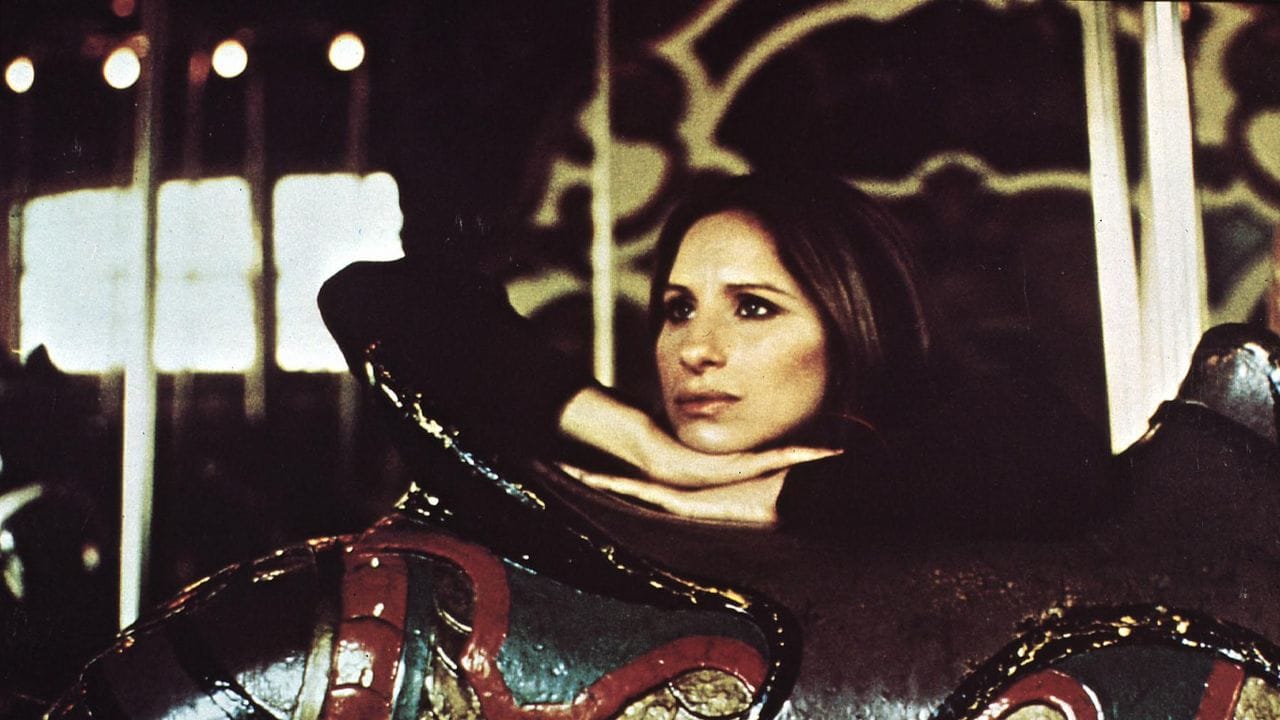
Reported by Vogue.
Barbra Streisand has always insisted she was, first and foremost, an actress. "All I ever wanted to be was an actress," she writes in her 2023 memoir, My Name Is Barbra — a declaration that lands differently when you remember she won an Oscar for her Funny Girl debut in 1968 and scored a second nomination for The Way We Were in 1973. This month, Cannes will honor her remotely with an honorary Palme d'Or at the festival's May 23 closing ceremony. The classics will get their moment on the Croisette. But according to Vogue, the deeper Streisand filmography — the one most people haven't touched — is where she really shows her range.
Five Films Worth Your Weekend
Start with On a Clear Day You Can See Forever (1970), directed by Vincente Minnelli, where Streisand plays a dual role: a modern Brooklyn woman and her 19th-century English courtesan past life, each costumed by a different designer — Arnold Scaasi for one era, Cecil Beaton for the other, at Streisand's own suggestion. The film is a showcase for her as a physical comedian, particularly in a rooftop dance sequence that plays like controlled chaos. Then there's Up the Sandbox (1972), released at the height of the women's liberation movement, in which she plays a Manhattan housewife whose quiet unraveling — including a fantasy sequence with Fidel Castro — hit close to home. Streisand has said she found the character deeply relatable, and it shows. She was devastated when audiences stayed away, writing in her memoir: "Would they only accept me in musicals or comedies?"
The Main Event (1979) brought her back alongside Ryan O'Neal in full screwball mode — she plays a perfume executive who inherits a broke prizefighter's contract and becomes his reluctant manager. Underneath the disco-era short shorts and the slapstick, she was playing a woman refusing to be sidelined in a man's world. All Night Long (1981) is the real curveball: Streisand almost turned it down because she had, as she put it, "no particular urge to play a ditzy blond suburban housewife." She did it anyway, and the result is her most underplayed performance on record — a deadpan, breathy-voiced Marilyn-adjacent creation that disappears so completely into character it barely reads as Streisand at all. And The Guilt Trip (2012), her last film to date, pairs her with Seth Rogen in a road-trip comedy where she plays a prying, slot-machine-obsessed New Jersey widow with impeccable comic timing. Their chemistry is genuinely electric, and the film never got the audience it deserved.
Streisand has said she wouldn't star in another movie — too much hair and makeup, essentially — and yet her memoir carries a quieter admission: "I feel as if I didn't fulfill my potential." Nineteen films across a fifty-year career. A Palme d'Or is a nice rebuttal to that kind of self-assessment, but the real argument lives in the work itself — and most of it, it turns out, people still haven't seen.
The Streisand deep cut isn't a footnote to her legacy; it's the whole other thesis.
Read the original at Vogue.