The New Face of Foundation
Full-face coverage is no longer the industry standard, and beauty brands are adapting their foundation franchises to catch up with modern consumer preferences.
Reported by Vogue.
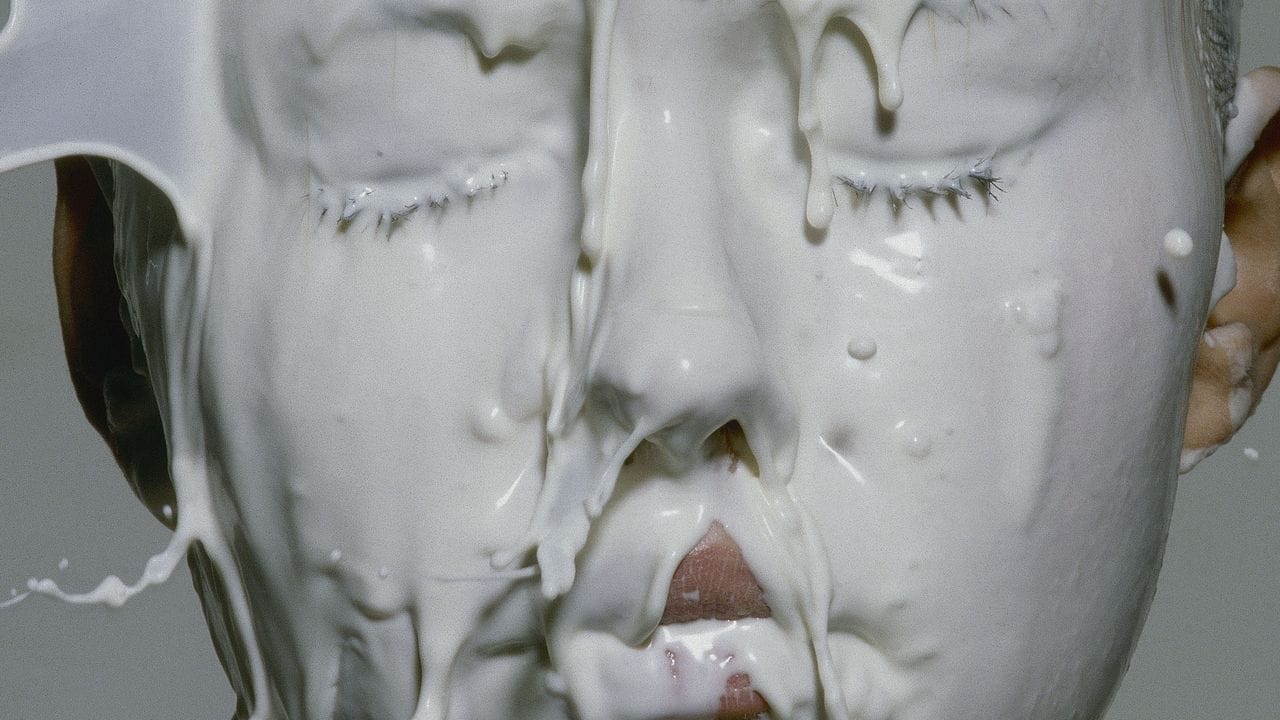
Foundation isn't what it used to be—and that's by design. What was once a heavy-coverage paint job has morphed into a skincare-makeup hybrid, driven by consumers who've grown savvier about formulations and increasingly skeptical of looking like they're wearing makeup at all. The category is booming despite this shift: foundation remains the fastest-growing segment of facial makeup, on track to hit $20 billion by 2027, according to Vogue reporting. Brands are betting big on the idea that people will splurge on foundation when it actually delivers something different—and they're right. Unlike trending color cosmetics, foundation creates repeat customers.
But here's the paradox: while foundation sales surge, consumers are using it less often. That's forced legacy brands to finally rethink formulas they've relied on for decades. Estée Lauder overhauled its Double Wear after 29 years. Armani Beauty reinvented Luminous Silk after a quarter-century, expanding the shade range to 44 and reformulating with glycerin and niacinamide to reduce inflammation. Dior, Hermès, and others followed suit, swapping heavy silicones for active ingredients and polymer technologies that move with skin rather than settling into fine lines.
The New Formula: Buildable, Not Barely-There
The winning formula now sits in the middle ground. Ultra-light skin tints that vanish within hours feel obsolete; full-coverage products read as dated. Instead, brands are launching buildable foundations—products that let consumers layer coverage exactly where they want it. Refy's Skin Base uses an alfalfa-derived ingredient for hydration. Mary Phillips' M.ph Beauty foundation promises breathable, long-wearing coverage that enhances rather than masks. Elf's Halo Glow Liquid Filter became a $200 million franchise by doing double duty as highlighter and body glow.
The language itself has shifted. "Skin tint" searches have grown 50.6% year-on-year; brands are naming products after their skincare benefits—Wonderskin's "Hyper Bond All-Day Stay Serum Foundation" signals nourishing ingredients as loudly as finish. Makeup artist Mary Phillips, who works with Zoë Kravitz and Kendall Jenner, sums up the cultural moment: "Consumers haven't fallen out of love with coverage, they've fallen out of love with looking like they're wearing it." That transparency—literal and figurative—is what's driving the category forward, even as regulatory pressures (hello, EU silicone restrictions) force brands to innovate faster than ever.
Foundation isn't dying; it's just finally learning to play nice with skin.
Read the original at Vogue.