The New Vanguard of Celebrity Hair Braiders
From runways and red carpets to For You Pages, their signature styles are everywhere
Reported by Harper's Bazaar.
Braiding has always been more than a hair appointment. It's been a map of ancestry, a coded language, a survival strategy — and right now, it's having one of its most visible moments in mainstream beauty. Leading that charge is a new wave of Black braiding artists who are redefining what "high fashion hair" looks like, one sculptural style at a time.
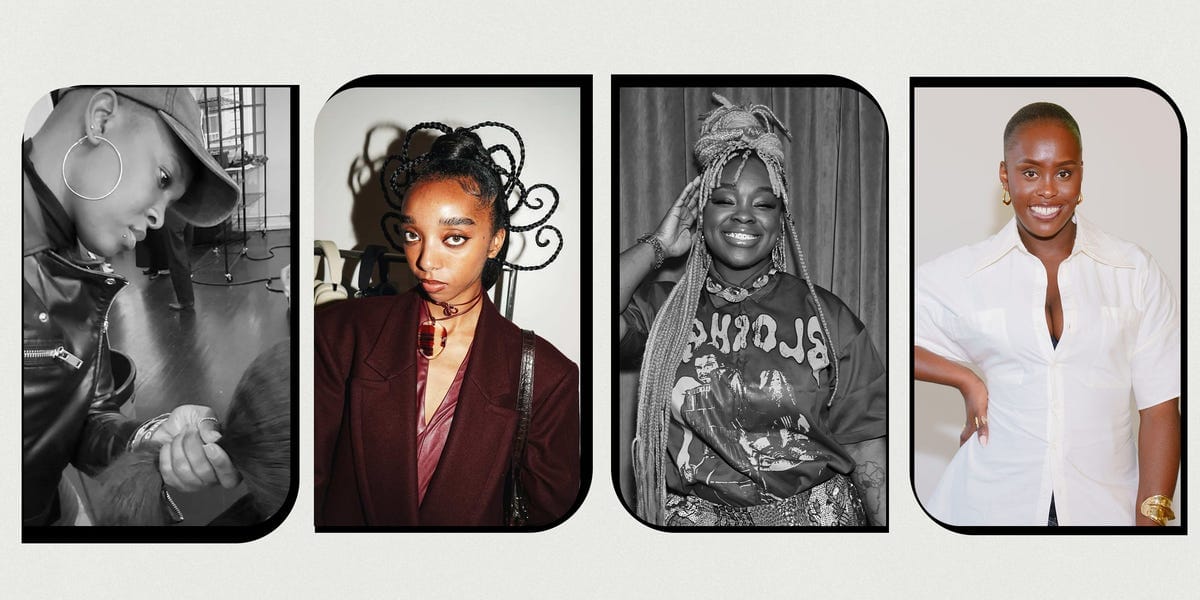
At the center of this movement is Susy Oludele, the self-taught Nigerian American stylist behind two Hair by Susy salons in Brooklyn and Los Angeles. With over a decade working alongside Beyoncé, Solange, and Zoë Kravitz, Oludele has long understood the deeper stakes of what she does. "Braids are a sacred archive," she told Harper's Bazaar. "They carry memory of protection, of identity, of resistance, of belonging." She's not being poetic for effect — she means it technically and spiritually. Her current obsession? Ivy braids: tension-free, movement-forward styles that feel, as she puts it, like freedom. The broader shift she's tracking on red carpets is a move away from polished perfection toward something more intentional — styles that honor the hair rather than override it.
The Next Generation Is Already Here
Oludele isn't working alone. Alongside her, stylists Tashana Miles, Aminata Kamara, and Kayra Theodore are collectively reshaping how the industry — and the algorithm — sees braided work. Theodore, a Haitian American model-turned-hair artist, started braiding herself in high school after a salon told her the box braids she wanted would be "too heavy." She learned from YouTube, charged $5 in college, and eventually built a signature out of sculptural spirals and zigzag designs that went viral and caught the attention of clients like Nara Smith. Her philosophy tracks with Oludele's: take something rooted in history, push its shape further, and let the story live in the structure. "I love taking everyday hairstyles and elevating them," Theodore explains — a deceptively simple sentence for a deeply considered practice.
What's accelerating all of this is social media, which has effectively flattened the hierarchy between bedroom braiders and red carpet headliners. As Oludele puts it, a viral moment from Brooklyn can shape a runway look six months later — and the influence now runs in both directions. The confidence driving that exchange is new. Black women are no longer seeking permission to wear braids in formal or high-fashion spaces. The culture moved first, and the industry is still catching up. When the voices in the room change — when Black stylists, designers, and talent have actual seats at the table — the work reflects a different truth. Braids on a runway aren't a trend. They're heritage finally being recognized as the technically complex, culturally loaded art form it has always been.
The vanguard isn't arriving — it's already set the tone, and the rest of fashion is just now learning to read it.
Read the original at Harper's Bazaar.