The Scoop with Lucy Delius: On Pearls, Trunk Shows, and the Rising Cost of Gold
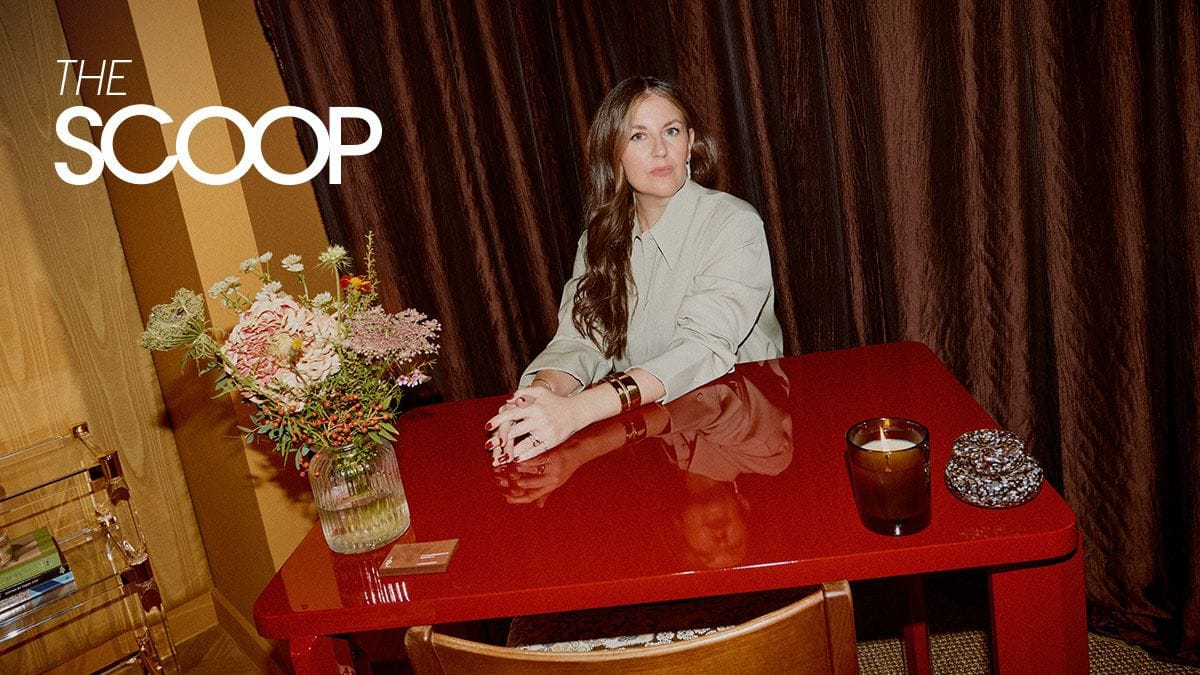
Before launching her business in 2022, Lucy Delius worked in the jewelry industry on the PR side which helped hone her understanding of the customer in what is a pretty stressful time for luxury.
Reported by Vogue.
Lucy Delius didn't set out to become a luxury entrepreneur—but her years in fine jewelry PR gave her something most designers lack: an unflinching understanding of how women actually buy expensive things. Last week, the London-based designer launched Nyx, her first collection working with black baroque pearls, and she's doing it the old-school way: trunk shows in New York, Los Angeles, and beyond. It sounds quaint. It's actually a shrewd move for a market where retail space is a luxury only established houses can afford.
The timing reveals something darker brewing beneath the gloss of high-end jewelry. Gold and silver prices have been climbing for months, squeezing independent makers who operate on thin margins. Delius uses 14-karat gold—uncommon for British jewelry—specifically to hit an entry point for serious buyers. "If you have £5,000, you should be able to buy something really beautiful and meaningful," she says. But recent material costs have forced her to raise prices, a move that stings when your entire philosophy centers on accessibility within luxury.
The Trunk Show Renaissance
What's fascinating is how Delius has weaponized intimacy. Trunk shows—intimate hotel-suite appointments—have become her growth engine, especially in America. The US market rewards what the UK doesn't: direct relationships between designer and customer, and a consumer base that understands female entrepreneurship. American women, Delius notes, also grasp jewelry differently. They don't expect value hidden behind glass; they want to feel it, understand its weight, its substance. This shift matters because as luxury inflation accelerates across categories—handbags, watches, jewelry—transparency becomes currency. Customers now interrogate material costs. They understand why gold costs more. They're educated in a way that actually helps makers communicate authenticity.
The real challenge isn't explaining price; it's conveying the intangible. How do you sell someone on the feeling of a chain around their neck, the specific sound it makes when you walk, the quality that can't be Zoomed? Delius is betting that trunk shows—where clients can touch, wear, and connect with the maker herself—answer that question better than any Instagram caption. In a market where retail real estate costs a fortune and material expenses are punishing, the most radical luxury move might be the most intimate one.
Read the original at Vogue.