Veronica Beard Built a $400m Brand By Banking on the Everywoman. What’s Next?
With a revamped business, 16 years in, Veronica Beard’s founders aspire to build an American legacy brand with global recognition.

Reported by Vogue.
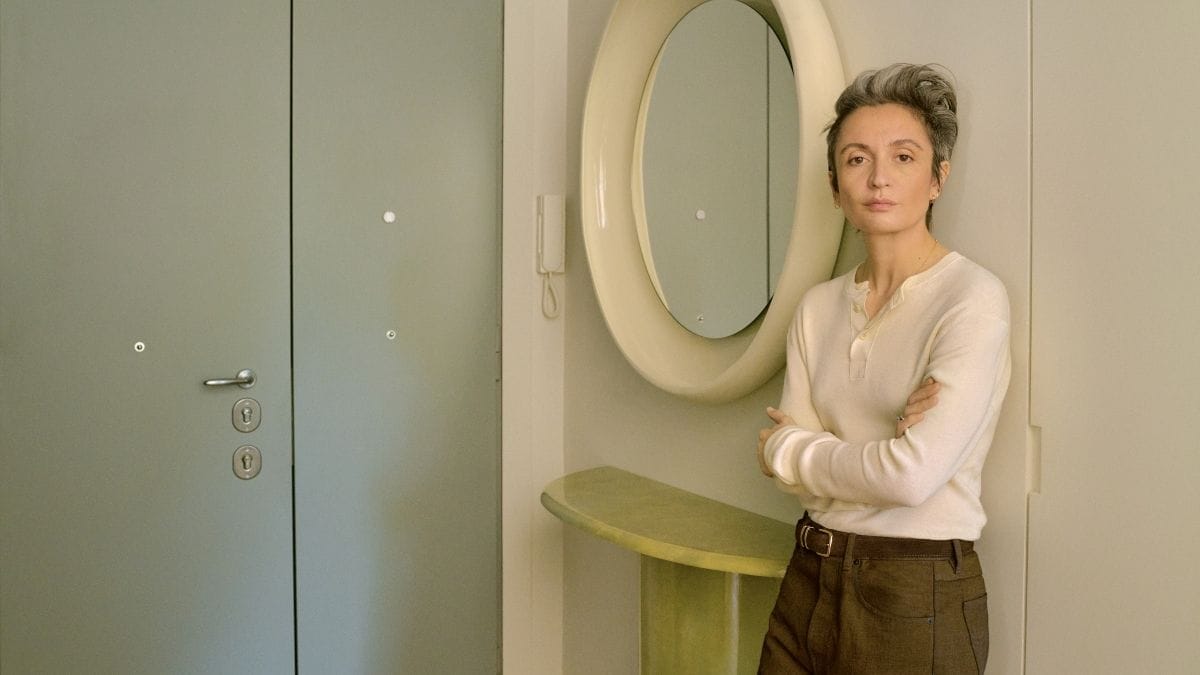
Sixteen years ago, two women named Veronica — sisters-in-law Veronica Miele Beard and Veronica Swanson Beard — launched a brand built around a single, clever jacket. Today, according to Vogue, that brand generates $400 million in annual revenue, spans 52 stores across four countries, and dresses women from their first corporate blazer to their weekend loafers. The question isn't how Veronica Beard got here. It's what a $400M brand looks like when it refuses to act like one.
The answer, it turns out, is intentional restraint. The Beards are founder-owned — minority investors include industry veterans Andrew Rosen and Lew Frankfort, but there's no private equity firm setting aggressive targets. That independence is load-bearing. After opening eight new stores in 2025 and five more in 2026 (from Aspen to Paris), the founders are now deliberately pumping the brakes. "We want to be on a managed growth path, catch up with ourselves, and smell the roses — because we're profitable and still very much in control," Swanson Beard says. In an industry that fetishizes scale, that reads almost radical.
The Everywoman, Taken Seriously
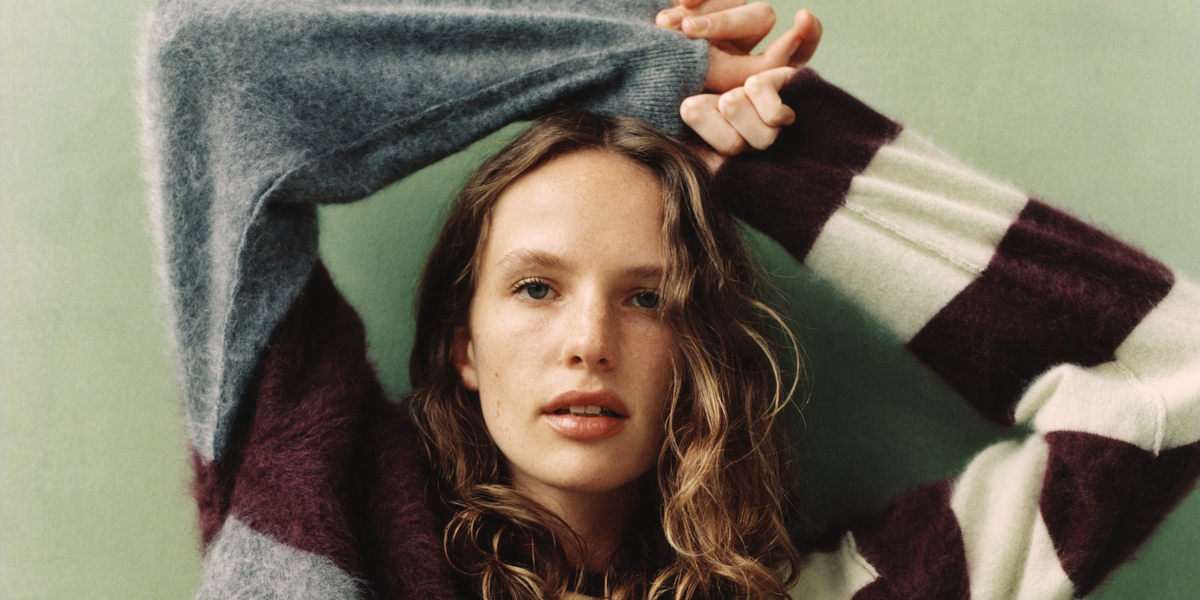
What built this brand wasn't trend-chasing — it was geography and honesty. "Fashion has always catered to the two coasts," Swanson Beard says. "But there's a huge country in the middle where there are women who have cool things going on, amazing jobs, are badasses, who need to get dressed." The brand's biggest demographic is women aged 35 to 50, and the product logic maps directly to their lives: blazers around $700–$800, jeans under $400, sweaters in the mid-hundreds. Not cheap, but strategically cheaper than comparable contemporary labels — and versatile enough that a $798 satin tailored jacket works equally on a West Village cool girl and Mrs. Herrera uptown. That range is the point.
The business itself has restructured to stay closer to that customer. Since Covid, Veronica Beard shifted from majority wholesale to a roughly equal three-way split between wholesale, physical retail, and e-commerce — and the direct feedback has been clarifying. Jewelry sells. Belts sell. A sneaker called the Valentina eventually landed after a few misfires. Now the brand is pivoting toward softer handbags and just hired Cristina Gómez Quintana — formerly 12 years as head of Marc Jacobs accessories design, with time at Loewe before that — to lead its bags category. If accessories scale the way the founders hope, it becomes the brand's second-biggest growth engine after ready-to-wear. The first? Still the Dickey blazer that started everything.
Meanwhile, the founders are leaning hard into physical presence — not just stores, but showing up. Traveling to customers, hosting community events, building a multi-million-dollar philanthropy program called VB Gives Back. "Veronica and I built this business by traveling to our customer, meeting people, building community — which is not touchable by AI," Miele Beard says, with a pointed awareness that algorithm-driven competitors are closing the gap fast. The goal is bigger than market share: they want Veronica Beard counted among the most important American fashion brands globally, with Paris and London already on the map and more international expansion ahead.
In an era when fashion brands either chase virality or sell to private equity, Veronica Beard is making a case for a third option: profitable, founder-controlled, and built on the radical premise that the woman who hates shopping deserves great clothes too.
Read the original at Vogue.