What’s New World vs. Old World Hantavirus? What Experts Want You to Know About the Virus Suspected of Killing 3 Cruise Passengers
It’s understandable to be concerned.
Reported by Women's Health Magazine.
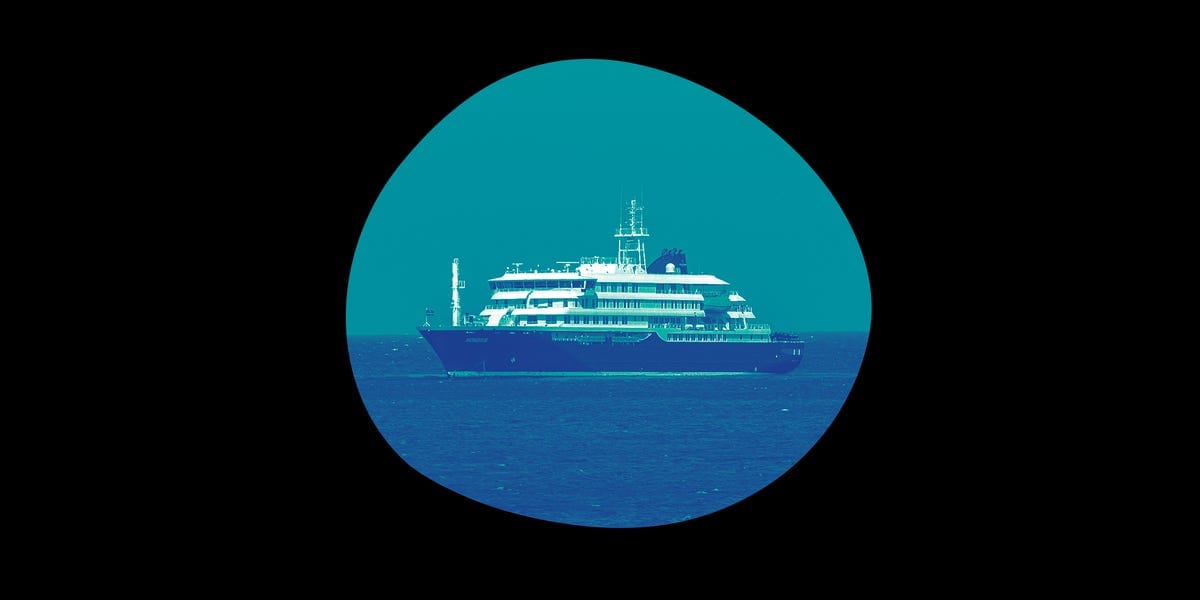
By now you've probably seen the headlines: three passengers on the MV Hondius expedition cruise ship are dead, at least three more are sick — two of them seriously — and the vessel has been denied entry at Cape Verde while health officials investigate a suspected hantavirus outbreak. It's alarming enough to make anyone rethink their next adventure travel booking. But before the panic spirals, here's what's actually going on — and what the experts say you genuinely need to know.
Hantavirus is a family of rodent-linked viruses that starts deceptively mild. Fatigue, fever, muscle aches, chills, dizziness — symptoms so nonspecific they mimic practically everything else. "It can be similar to a zillion things," says Dr. Thomas Russo, professor and chief of infectious disease at the University at Buffalo. Then, as Dr. William Schaffner of Vanderbilt University School of Medicine puts it plainly: "You get very, very sick." The CDC puts mortality rates at up to 50 percent for certain strains, and there is no targeted treatment — only supportive care: rest, fluids, and, in severe cases, intubation or dialysis.
Old World vs. New World: The Strain Gap Matters
According to Women's Health Magazine, experts draw a critical distinction between two categories of the virus. Old World hantaviruses — known since the 1930s and primarily circulating in Europe and Asia — tend to cause kidney damage and hemorrhaging, with a fatality rate estimated at 5–15%. New World hantaviruses, first identified in the 1990s and associated with the Americas, attack the lungs and carry a far grimmer fatality rate: 35–50%. Based on the respiratory complications seen among the Hondius passengers, Dr. Russo suspects New World hantavirus may be at play, though no official determination has been made. Only one case has been confirmed so far — a British passenger currently in a South African ICU in critical but stable condition.
The obvious question: is this contagious between people? Technically, almost never. "As a general rule, it's not transmissible person to person," Russo says, though he acknowledges some uncertainty. Dr. Amesh Adalja, senior scholar at the Johns Hopkins Center for Health Security, notes that the Andes virus is the only known hantavirus strain with any limited human-to-human spread — and even then, "almost all cases are related to rodent exposure." As for the ship itself, Dr. Schaffner suspects passengers more likely picked it up during a land stopover than from the vessel: modern cruise ships, he notes, maintain rigorous hygiene standards. But without a confirmed common exposure point, nothing is ruled out.
Bottom line: this is not the beginning of a new pandemic. "We are not going to have a pandemic over this," Russo says flatly. Adalja is equally direct — the ship poses no risk to the general public. Hantavirus isn't COVID, isn't measles, isn't airborne in the same way. Watch this story as it develops, but this is a contained outbreak requiring answers, not a public health emergency requiring your anxiety.
Read the original at Women's Health Magazine.

