Why Coconut Flour May Be The Very Thing Your Baking Projects Need
Coconut flour is an allergen-friendly flour derived from the meat of a coconut. It has a natural sweetness, so you need less sugar in your baking.
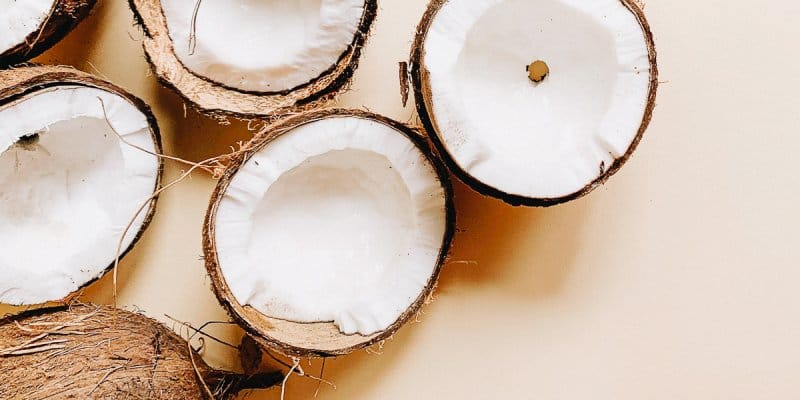
Reported by MindBodyGreen.
The flour aisle has become a minefield. Almond, buckwheat, oat, sorghum—the options multiply faster than sourdough starters during a pandemic. If you're gluten-free by necessity or just tired of all-purpose, coconut flour deserves a closer look. It's not a miracle ingredient, but it's genuinely useful, and the nutrition story is solid.
Coconut flour is milled from the dried meat left over after coconut milk production—basically the pulp that would otherwise be waste. What you get is a fine, light powder with a subtle natural sweetness and zero gluten. According to MindBodyGreen, a quarter-cup serving delivers 10 grams of fiber, 6 grams of protein, and 20 percent of your daily iron, plus it's naturally allergen-friendly for those avoiding tree nuts or grains. The catch: it absorbs way more liquid than conventional flour, so you can't just swap it 1:1 into your favorite recipes without consequences.
The Health Claims Worth Your Time
The fiber in coconut flour is mostly insoluble, which means it moves things along in your digestive tract and adds bulk. The smaller portions of soluble fiber feed your good gut bacteria, potentially improving overall digestion. Because it's high in both fiber and protein, some nutrition experts suggest it might help with satiety—keeping you fuller longer—though coconut flour itself isn't a weight-loss solution. Research has also shown that 15 to 25 grams of coconut fiber daily can lower total cholesterol by 11 percent, LDL cholesterol by 9 percent, and triglycerides by up to 22 percent. Its high fiber content also slows sugar absorption, which helps stabilize blood glucose levels.
The practical reality: you'll need to experiment. Most home bakers find that replacing a quarter to a third of all-purpose flour with coconut flour works—and adding an egg helps with binding and rise. If coconut flour doesn't appeal, almond flour is popular, though it has more calories and fat and a different texture entirely. Consider alternatives like buckwheat, sorghum, teff, or brown rice flour depending on what you're making.
Coconut flour won't revolutionize your health, but it's a legitimate nutritional upgrade for your baking projects once you dial in the ratios.
Read the original at MindBodyGreen.