You Don’t Need Prior Workout Experience to Start Training During Pregnancy—Here’s How to Do It Safely
“Pregnancy doesn’t have to be a time of physical decline.”
Reported by Women's Health Magazine.
For decades, the advice was clear: don't start anything new when you're pregnant. Keep moving if you already are; otherwise, rest. That guidance is now officially obsolete. Research increasingly shows that beginning a strength routine during pregnancy—even if you've never lifted before—is not only safe but can meaningfully reduce complications and help you feel capable right up until delivery.
"Pregnancy doesn't have to be a time of physical decline," says Shannon Ritchey, PT, DPT, founder and CEO of Evlo Fitness. "With the right training approach, it can be a time of strength." According to Women's Health Magazine, that strength matters beyond those nine months. Starting or maintaining muscle during pregnancy protects long-term health during one of the most physically taxing seasons of a woman's life.
Why Movement Actually Matters
The evidence is compelling. Cynthia Gyamfi-Bannerman, MD, a maternal-fetal medicine specialist at UC San Diego Health, notes that robust data now shows exercise during pregnancy may decrease complications and increase the likelihood of vaginal delivery. The payoffs include improved fitness, healthier weight gain, and reduced risk of gestational diabetes, hypertension, and preeclampsia. Research also suggests lower rates of preterm birth and low birth weight for infants. Strength training specifically counteracts pregnancy's physical toll—the shifted center of gravity, loosened ligaments, forward-pulling weight—reducing aches, low-back pain, and the instability that comes with it. Those who maintain fitness also tend to recover faster postpartum, particularly in core strength, meaning you're not starting from zero when resuming exercise after birth.
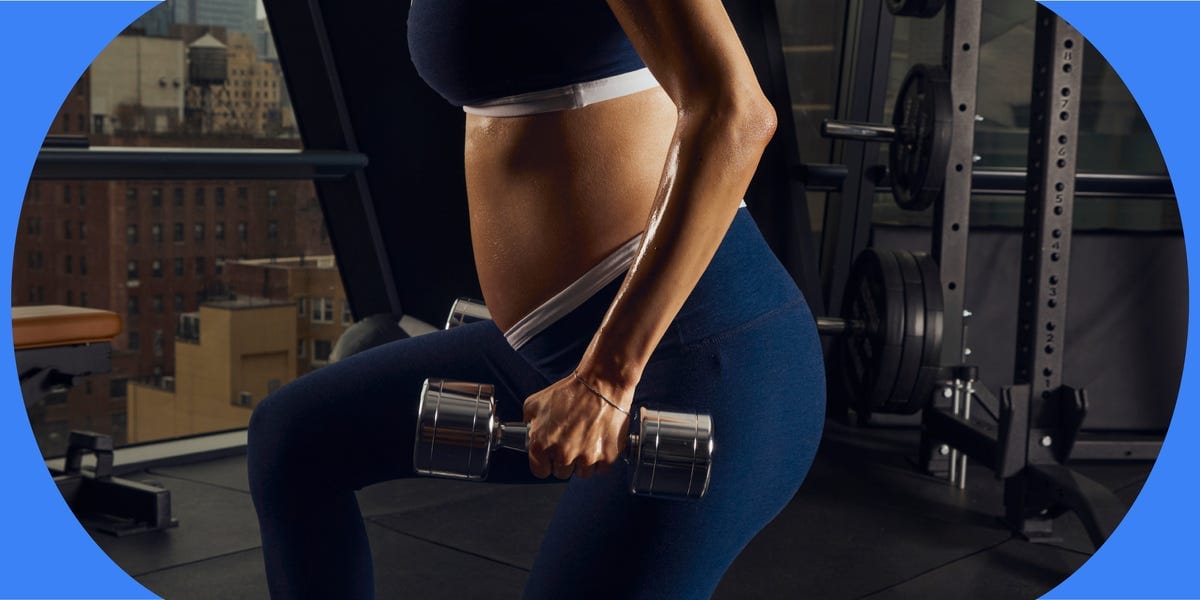
The practical reality is simpler than you'd think. "Very little about strength training actually needs to change during pregnancy," Ritchey says. Avoid exercises requiring you to lie flat on your stomach and make positional tweaks as needed—that's largely it. Start with manageable weight, focus on form, and aim for compound movements like squats, deadlifts, rows, and presses that hit multiple muscle groups efficiently and mimic real-life movements. Begin with one total-body session weekly at 2 sets of 10 reps, building to 3 sets by week three. Work at moderate intensity—something challenging by rep seven or eight, but where you could manage three more. Add weight gradually every few weeks (2.5 to 5 pounds at a time) once movements feel easy. Eventually, train each major muscle group twice weekly on non-consecutive days, listening to your body when energy dips. The official recommendation is at least twice weekly; more is fine if you're not exhausted between sessions.
You don't need prior experience or permission to build strength while pregnant—just consistency, reasonable progression, and the understanding that stronger muscles mean a stronger pregnancy.
Read the original at Women's Health Magazine.