At the Tribeca Film Festival, Two Visions of Fashion’s Future Stood Out
Two new short films—one spotlighting the use of sustainable wool, another celebrating a 9-year-old clothing designer—provided some much-needed optimism in fashion.
Reported by Vogue.
The Tribeca Film Festival just wrapped its 25th edition, and while Madonna's Confessions II film — featuring six new songs in head-to-toe custom Dolce & Gabbana — generated the expected headlines, two other shorts quietly made the stronger case for where fashion actually needs to go. According to Vogue, both films centered on sustainability and generational reinvention, and together they functioned less like fashion content and more like a quiet manifesto.
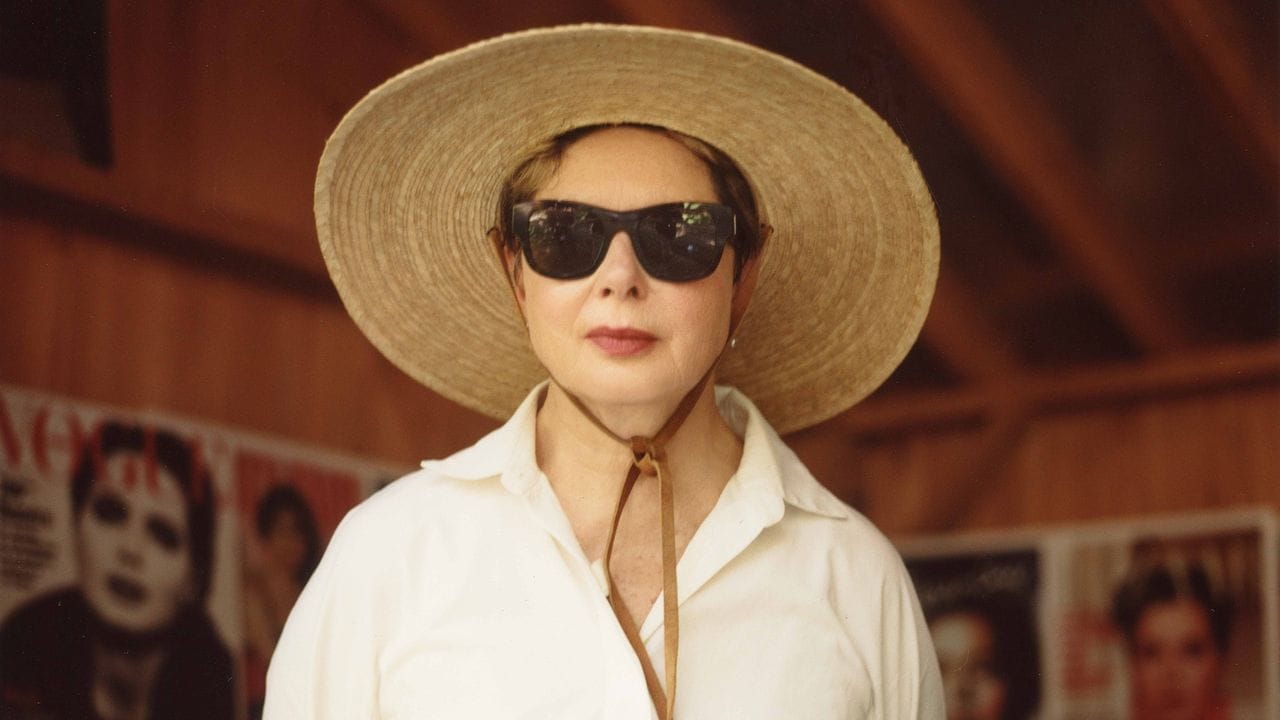
Farm to Fashion, directed by Oliver Halfin and executive produced by legendary publicist Kelly Cutrone, follows a single supply chain: ethically raised sheep on Isabella Rossellini's upstate New York Mama Farm, whose wool travels from pasture to Manhattan runway. Made in partnership with the New York State Department of Agriculture and Markets, the film features Rossellini alongside designers Donna Karan and Mimi Prober, all of whom work with the natural fiber to create finished garments. The argument is disarmingly simple — that a nature-based fashion ecosystem is neither prohibitively expensive nor logistically impossible. Rossellini puts the stakes plainly: "It never starts with the animals. How is the animal treated? Where is the animal living? Half of the story is lost." Karan, whose Urban Zen foundation has long centered conscious living, echoed the sentiment: "Connecting, creating, communicating change has been the foundation of Urban Zen." Halfin frames the project as fashion returning to its actual origins — the land, the animal, the fiber — rather than outsourcing accountability down a supply chain no one audits.
The Youngest Designer in the Room
Director Dori Berinstein's Couture to the Max goes in a different direction entirely, profiling Max Alexander — a nine-year-old who taught himself to sew at four and has since built a TikTok following on the strength of his theatrical, largely upcycled designs. He made his first garment — a dress for his sister — at four years old. The film tracks him preparing a new collection while navigating school and, you know, being a child. His philosophy is already fully formed: "Anything can be a dress, and it doesn't have to be new things." Rebirth, he says, is his primary inspiration — old materials reshaped into something that didn't exist before.
What's striking about both films is that neither treats sustainability as sacrifice or novelty. For Rossellini and Karan, it's a return to craft logic. For Max, it's simply how design works — he's never known anything different. That generational gap in assumption might be the most hopeful data point the industry has right now. Max, for his part, already has New York Fashion Week on his list.
Fashion's future is being written simultaneously by veterans who remember where materials come from and by a nine-year-old who never forgot.
Read the original at Vogue.