Does the Bridal Industry Have a Size Inclusivity Problem?
The short answer? Yes.
Reported by Vogue.
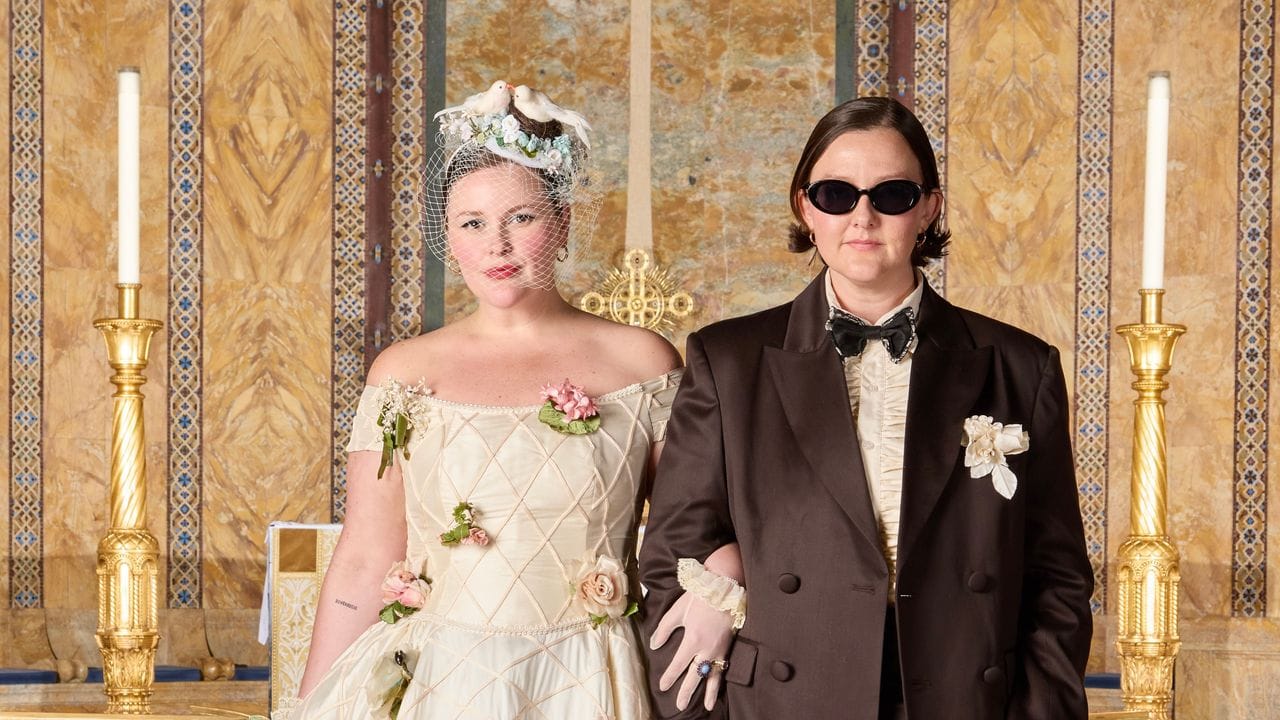
Wedding dress shopping is supposed to be the fun part. The fantasy, the champagne, the moment you zip into something and just know. But for the majority of American women — who wear between a size 14 and 16 — that fantasy has a hard ceiling, and it's set somewhere around a bridal size 10. According to Vogue, luxury bridal salons typically stock sample gowns in a bridal size 8 or 10 (equivalent to a U.S. street size 4–8), with occasional outliers in a 16 or 18. Trunk show appointments often feature only runway samples closer to a size 2. The result: brides are asked to imagine a $10,000 dress on their bodies while a stylist holds fabric panels against their back.
The industry defense is cost. Luxury gowns are couture-level productions — hand-beaded, atelier-made, months in the pipeline — and salons typically invest in a single standard sample per style. But stylist Sophie Strauss isn't buying it as a full excuse. "If you're trying to save money and that's your argument for not being size inclusive, you should have a much higher floor on the size of samples you'll produce," she says, proposing that standard samples should start closer to a size 16 so that more brides can physically get into the garment. It's a low bar. And it's not being cleared.
The Emotional Cost Nobody's Pricing In
Body-positive bridal stylist Alysia Cole works extensively with plus-size clients and describes the damage plainly: "This process can so often just hurt your own perception of yourself and bring a lot of your own body issues to the surface." She's had clients with eating disorder histories tell her they thought they were in a good place — until dress shopping started and everything got triggered. Cole puts it without softening: "For plus size, the bar is in hell." Half her job, she says, is managing expectations before anyone steps into a salon, because the alternative — standing in front of a mirror while a gown is paper-dolled onto your body, or being offered your thinner friend as a stand-in to try on a style — is not a luxury experience by any definition.
Runway presentations tell the same story. Strauss notes that bridal fashion week has leaned into casting older models as a form of "diversity" — which reads, at best, as optics management. "It's a cop out from a design standpoint because you don't have to consider a different body frame in order to do that," she says. Designer Alexandra Grecco is one of the few doing it differently, remaking samples to fit curve models for her runway shows and crediting that commitment with building genuine brand loyalty. "We've received so many comments from people who have chosen to wear our brand partly because they feel seen," Grecco says. Christy Baird, founder of L.A. luxury salon Loho Bride, has built the same ethos into her store's foundation — training staff in inclusive language and positioning size inclusivity as inseparable from true luxury service.
The bridal industry sells transformation and joy, but it's structured in a way that delivers neither to most of the women walking through its doors — and until sample sizing reflects the actual bodies getting married, that gap between the fantasy and the fitting room is going to keep costing brides more than the dress.
Read the original at Vogue.