What Beauty Influencers Are Learning From Reality TV
Instead of relying on polished, heavily scripted endorsements, the modern beauty landscape is thriving on cult personalities, who have drawn an engaged following for their relatable storytelling, character-driven narratives, and occasional behind-the-scenes…
Reported by Vogue.
The beauty influencer is dead. Long live the beauty character. The most-followed creators in makeup and skincare right now aren't winning audiences with flawless blending technique or lab-backed ingredient knowledge — they're winning with something far older and more primal: a compelling personal narrative. According to Vogue, the shift redefines not just who gets brand deals, but what beauty content even is.
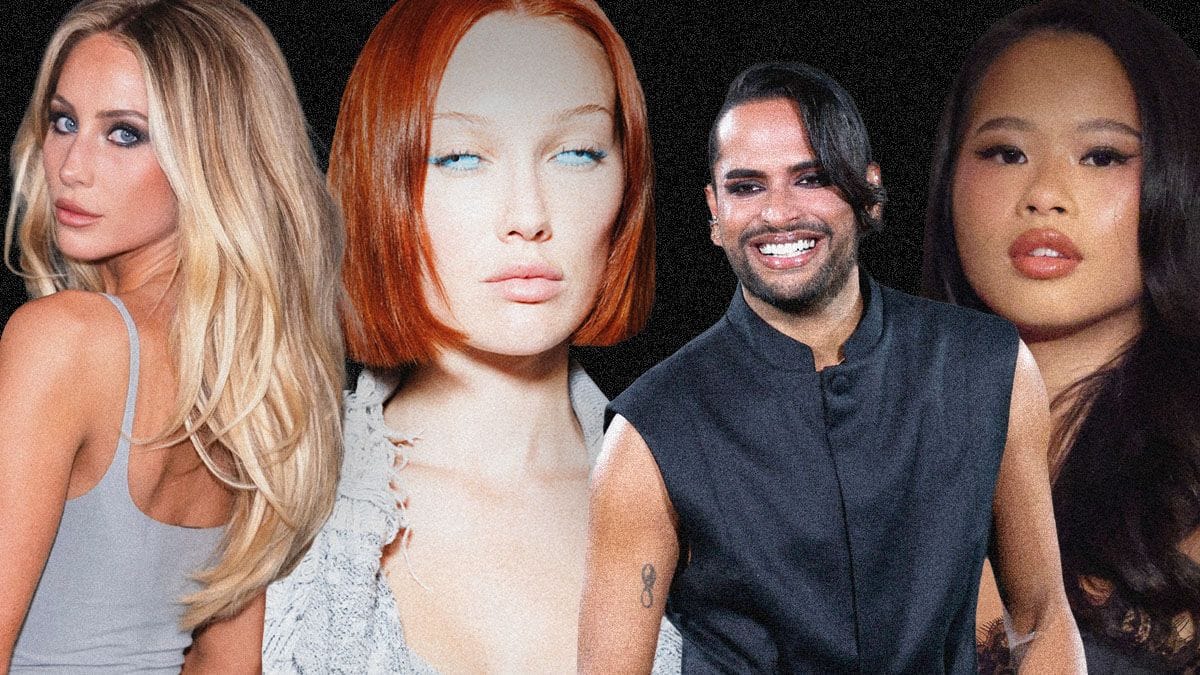
Meredith Duxbury is the clearest case study. Her 2022 breakthrough — ten pumps of foundation, blended entirely by hand — was polarizing enough to earn a Bobbi Brown parody and 17 million TikTok followers. Now she's walking Gucci cruise runways alongside Paris Hilton and Cindy Crawford, and releasing a Rizzoli book this fall. The extreme makeup is still there, but so is "fly on the wall" content: taking out the trash, unloading the dishwasher, casually swiping on skincare. The product is incidental. The person is the point. Brands including Prada, YSL Beauty, and L'Oréal have all bet on exactly that.
Reality TV Didn't Inspire This Shift — It Is the Shift
Alix Earle built her following on unfiltered GRWM videos and parlayed it into a Netflix reality show, Earle Meets World, announced in May. Mikayla Nogueira, 17 million followers strong, applies foundation while detailing her divorce. Tarte flew Love Island USA cast member JaNa Craig and her reality TV friends to Turks and Caicos for her birthday — and their social content, per Tarte CEO Maureen Kelly, had followers commenting that it was their "new favourite reality show." The brand wasn't selling blush. It was producing entertainment. Podcast host and producer Kirbie Johnson put it plainly: many of the creators commanding the biggest beauty budgets "had no real authority in beauty at all" — but their audiences are deeply invested in their lives, and that investment transfers.
Data backs the intuition. Alex Rawitz, director of research and insights at influencer marketing platform CreatorIQ, notes that top-performing beauty creators by earned media value — including Monica Ravichandran, Aditya Madiraju, and Lina Noory — treat beauty as one thread in a broader lifestyle fabric, not a specialty to be siloed. Madiraju talks blush placement and eye exams. Ravichandran covers foundation and getting dressed as a petite, curvy woman. Katie Fang, six million TikTok followers and rising, describes integrating products into her New York City college life because "it doesn't feel like I'm shoving a product into my audience's faces." The audience agrees: it doesn't. That's why it works. Rawitz frames the underlying psychology bluntly — provocative creators satisfy "some kind of drive for gossip or drama," the same engine that made reality television a cultural institution.
The tutorial era — Michelle Phan's precision cuts, James Charles's transformations — gave way to something messier, noisier, and frankly more honest about what consumers actually want: not instruction, but immersion. Beauty brands that understand this aren't just buying reach; they're commissioning serialized human drama where the protagonist happens to use their SPF.
Read the original at Vogue.