The Scoop with Valentina Suárez-Zuloaga: A Change of Location (and Attitude) for Madrid Fashion Week
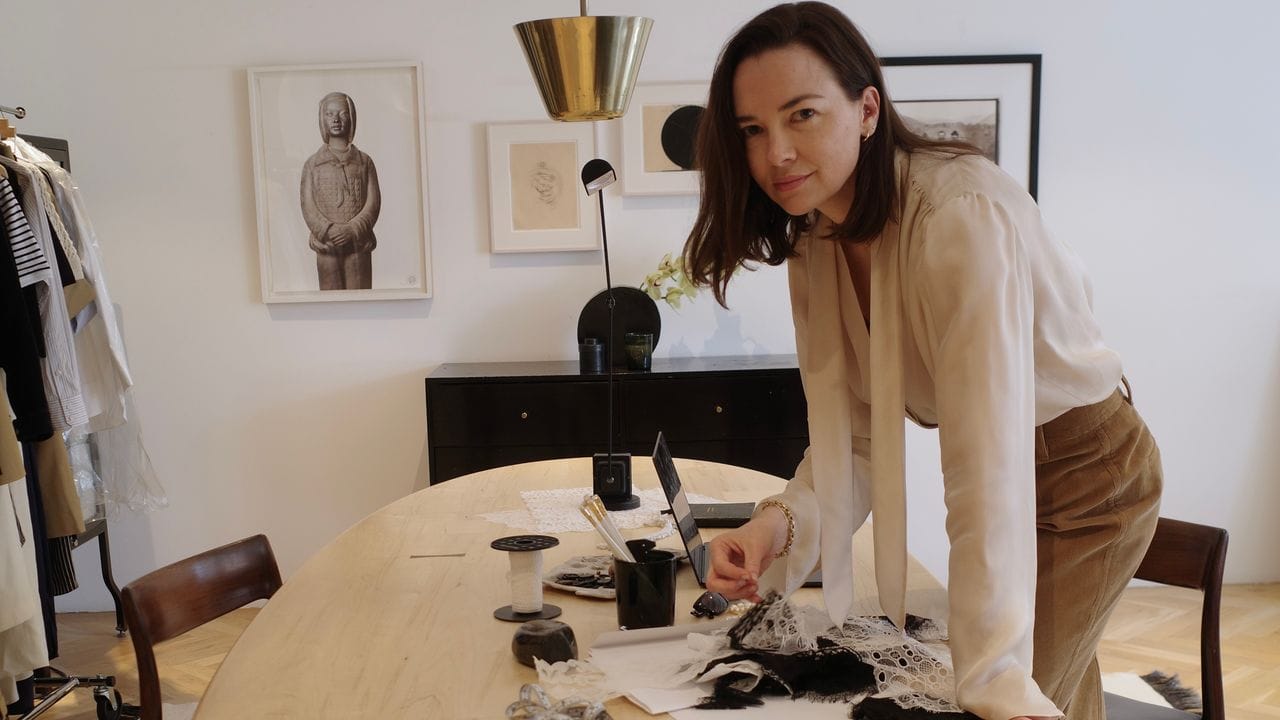
This week’s guest is Valentina Suárez-Zuloaga, the creative director of Mercedes-Benz Fashion Week Madrid (MBFW Madrid).
Reported by Vogue.
For over four decades, Mercedes-Benz Fashion Week Madrid has technically been held outside of Madrid — a 20-minute drive from the city it was supposed to represent. That changes this September. For the first time in its history, MBFW Madrid will actually take place in the capital itself — in grand palaces, institutional buildings, and on the streets. According to Vogue, the woman behind this overdue shift is Valentina Suárez-Zuloaga, the event's creative director, who took the role in February 2025 with a single mandate: put Madrid on the fashion map.
Suárez-Zuloaga came up through e-commerce at Stella McCartney and Temperley London before returning to Madrid in 2018 to found slow fashion retailer Es Fascinante. Her appointment brought a sharper strategic vision to a platform that had been, by her own admission, scattered — bridal, swimwear, menswear, and womenswear all crammed into one undifferentiated calendar. She restructured the schedule so each day carries a distinct identity: day one belongs to legacy houses like Pedro del Hierro and Adolfo Domínguez; day two goes to socially fluent, culturally relevant brands with strong digital communities. The logic is clear: a fashion week needs a narrative, not just a lineup.
The Hispanic Opportunity
Madrid's cultural moment is doing some of the heavy lifting here. The city is drawing an influx of Latin American residents — Venezuelans, Colombians, Mexicans — who have taken to calling it "the new Miami." Suárez-Zuloaga sees this demographic shift as fashion's opening. In March, Colombian label Johanna Ortiz showed in Madrid. This September, resortwear brand Agua Bendita — another Colombian name with serious global traction — will present in partnership with the Latin American Fashion Awards (LAFA), marking MBFW Madrid's first collaboration with an external platform. The showcase, scheduled for September 15, will feature live performance from a prominent Hispanic artist, and is positioned as a celebration of Latin craft and cultural heritage.
The competitive reality isn't lost on Suárez-Zuloaga. September puts Madrid squarely in the orbit of the Big Four, and editors and buyers don't expand their travel schedules easily. Her answer: strategic timing and expanded programming. This edition is deliberately scheduled just after Formula 1 in Madrid — also organized by IBEMA, the event's governing body — creating a lifestyle itinerary that combines sport, fashion, and city experience. The goal isn't just to fill front rows; it's to make Madrid a destination you'd regret skipping. Her wishlist includes Pedro Almodóvar, Rossy de Palma, and — in a nod to Palomo Spain's 10th anniversary — Rosalía.
Underneath the logistics is something more personal. Suárez-Zuloaga is openly nostalgic for an era when Spanish designers — Balenciaga, Paco Rabanne, Manuel Pertegaz — commanded global reverence. Since the 1990s, she notes, that international recognition has largely evaporated; Spanish talent has had to leave to be taken seriously. Her bet is that Madrid's growing openness, its new energy, its mix of cultural confidence and Latin American investment, creates the right conditions to change that — and that Flabelus, a Spanish footwear brand she flags as one to watch, might just be the label that delivers the next true It-item.
Madrid has always had the culture; what Suárez-Zuloaga is building, block by block, is the infrastructure to make the world finally pay attention.
Read the original at Vogue.