‘I Walked 20,000 Steps Every Day for a Month—Here’s How It Transformed My Routine’
What started as a fitness challenge quickly became a lesson in routine and recovery.
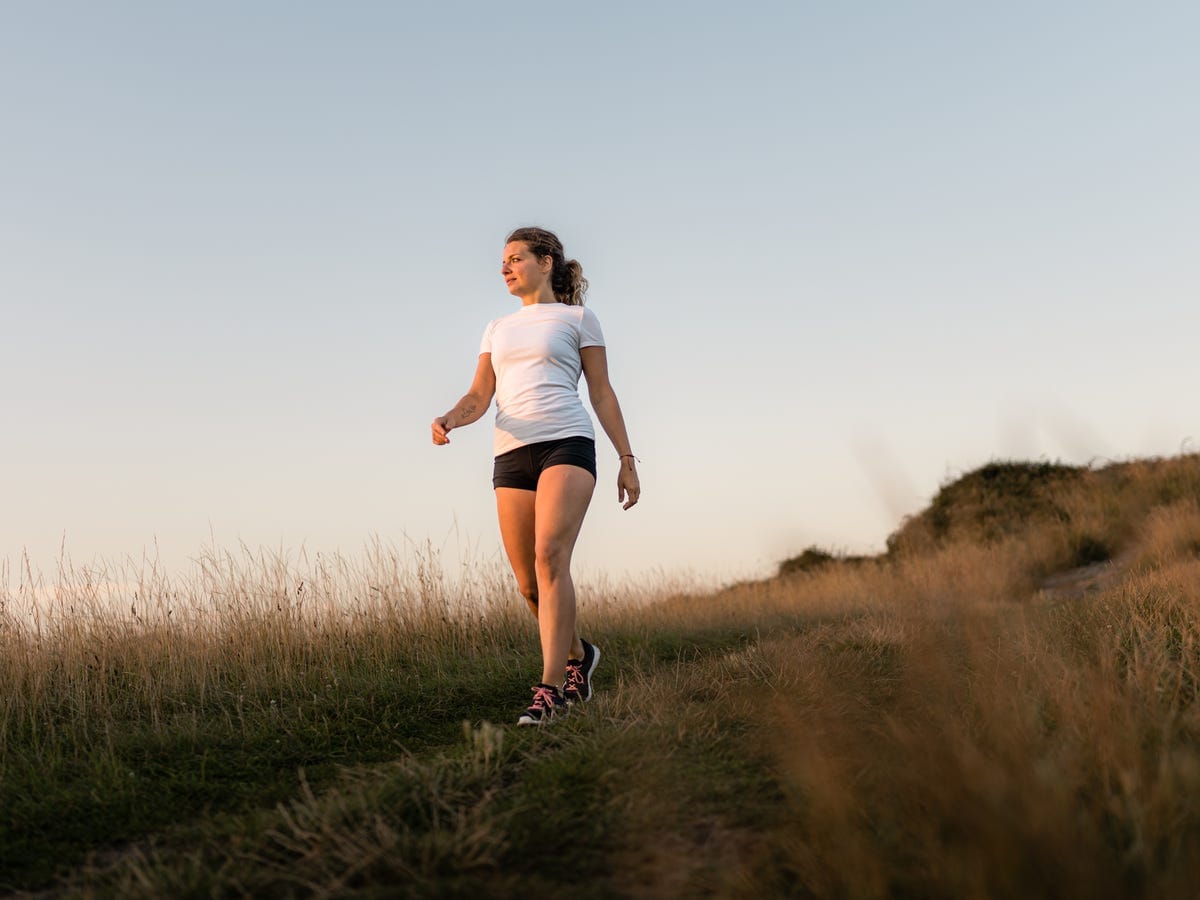
Reported by Women's Health Magazine.
Walking has had a serious cultural moment — and for good reason. It's free, low-impact, and already woven into most people's days, which makes bumping up your step count one of the more realistic fitness pivots you can make. But what actually happens when you go all in? According to Women's Health Magazine, one writer spent a month logging 20,000 steps daily — double the standard 10,000 — and came away with a few hard-won lessons about movement, obsession, and the limits of optimization.
The first reality check: 20,000 steps demands serious real estate in your schedule. The usual advice — take the stairs, exit one stop early — doesn't come close to cutting it at this volume. Hitting the target meant restructuring her entire commute, adding a 45-minute walk before the coffee was even brewed. Without deliberate planning, the goal simply wasn't reachable. That's not a flaw in the challenge so much as an honest reminder that aggressive step targets aren't built for everyone — particularly people navigating non-linear work hours or heavier caregiving loads. The current guidance is more forgiving than a smartwatch makes it feel: even a 10-minute brisk walk carries measurable health benefits.
When the Goal Becomes the Problem
A long weekend away with friends put the experiment in sharper focus. She didn't hit 20,000 once during those four days — and she's clear that she made the right call. Chasing a number on her watch would have meant skipping out on the people she was actually there to see. That tension between a personal challenge and compulsive completion is worth naming. There's a meaningful difference between pursuing a goal and feeling punished by it. When a fitness target starts functioning more like guilt than motivation, it's worth interrogating what it's actually delivering.
On the practical side, routine was everything. Once she mapped her routes and understood exactly how long the distance required, the daily target became something closer to automatic. Walking to a farther subway stop, splitting movement across the day, choosing her feet over the bus — habits that felt intentional within days became genuinely effortless within weeks. Her running habit (she recently PR'd her second marathon) also accelerated things: a 10k run alone covered roughly half her daily step goal. Not a prerequisite, obviously, but a reminder that mixing in even short, easy runs is an efficient way to accumulate more ground in less time.
The broader verdict is nuanced. Increasing your step count is one of the most cost-effective things you can do for cardiovascular health and overall fitness — but 20,000 a day is a commitment that requires time and flexibility most people can't consistently offer. The smarter approach is gradual escalation, building habits that actually fit your life rather than bending your life around a metric. And the benefits of walking extend well past the physical: it creates space for social connection, mental decompression, and simply getting outside. You don't need to walk 20,000 steps to access any of that.
Move more, yes — but the version of "more" that works is the one you can actually sustain without resentment.
Read the original at Women's Health Magazine.