The Scoop with The Serpentine’s Bettina Korek: On Isha Ambani's Return and the New Pavilion
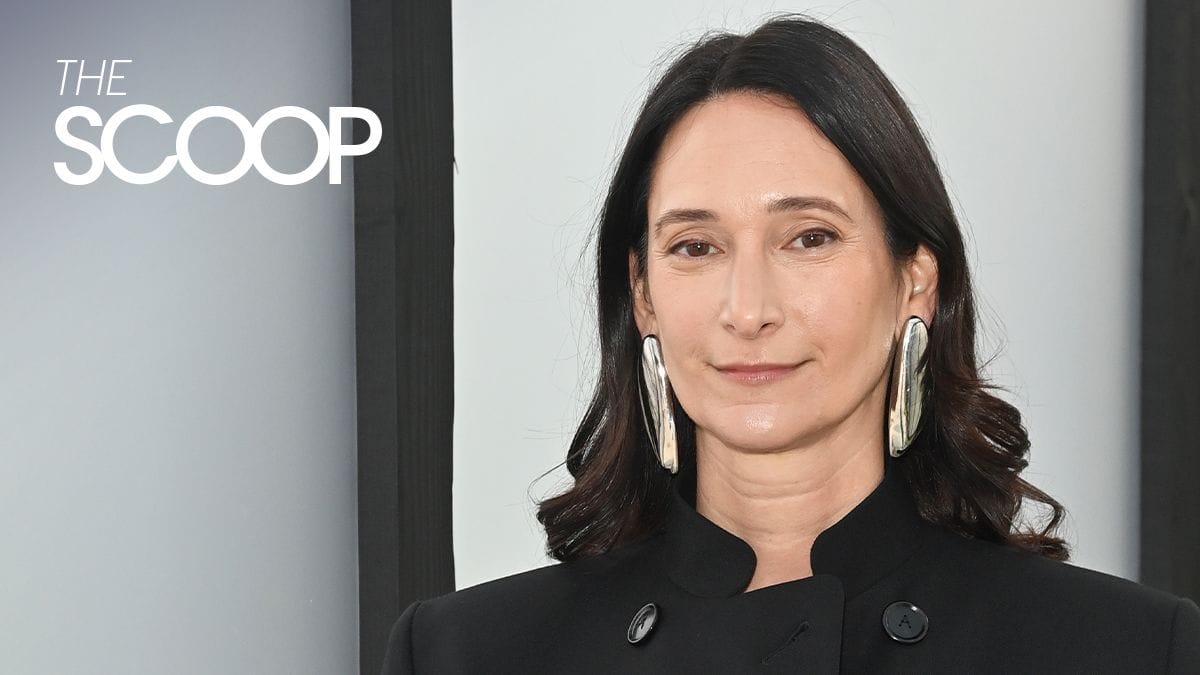
This week’s guest is Bettina Korek, CEO of London’s Serpentine Galleries. Having spent the Noughties making the LA art scene a thing outside LA, Bettina moved to London for the Serpentine job in 2020.
Reported by Vogue.
Some institutions are content to simply exist. The Serpentine Galleries, under CEO Bettina Korek, is not one of them. The annual Summer Party — happening June 23 in the middle of Kensington Gardens — has been a fixture of London's cultural calendar since 2000, when Zaha Hadid designed the inaugural pavilion and turned what had been a 1990s gala into something architecturally significant. (A fun footnote: Princess Diana wore her famous revenge dress to the earlier gala version, in 1994.) Each year since, a different architect gets the commission. This year, it goes to Lanza, a Mexico City studio, whose structure makes history as the first Serpentine pavilion ever built in brick — a material choice that quietly mirrors the facade of the Serpentine South Gallery itself.
The pavilion's Mexican roots are reflected in this year's co-hosts: Salma Hayek, Alfonso Cuarón, and Alejandro González Iñárritu. It's the kind of casting that signals cultural intentionality rather than celebrity decoration — a through-line Korek has been deliberate about. Last year, Cate Blanchett co-hosted in connection with her Bangladesh work and the pavilion architect Marina Tabassum. The host committee structure, introduced two years ago, exists to expand the Serpentine's fundraising capacity and global reach. This year's lineup includes Adwoa Aboah, Rosie Huntington-Whiteley, Sumayya Vally, and Lynette Yiadom-Boakye — and, according to Vogue, Indian fashion magnate Isha Ambani is returning to chair the committee for a second consecutive year.
Art, Fashion, and the India Factor
Ambani's involvement isn't incidental. India is asserting itself as a serious global creative force, with the cultural infrastructure and spending power to match. Korek frames it plainly: art and fashion have always shared an instinct for experimentation and identity. The Serpentine's whole ethos — porous, cross-disciplinary, internationally minded — makes that overlap structural rather than superficial. Korek even credits a visit to the Nita Mukesh Ambani Cultural Centre (NMACC) with introducing her to a jasmine fragrance called Swadesh; she now gets asked about it constantly and is exploring a product collaboration off the back of it. Entrepreneurial, yes. But she's clear it doesn't have to conflict with curatorial seriousness.
Keeping the institution financially alive takes a constellation of long-term partners — Goldman Sachs has backed the pavilion for over 12 years; Rolex recently joined as official timepiece partner. Korek is also building out the Serpentine's retail presence, anchored around exhibitions like the current David Hockney and Cecily Brown shows, plus artist editions and books. Six years into the job, her original brief — strengthen the institution, protect its artistic ambition — hasn't shifted, but her model has deepened. Her partnership with artistic director Hans-Ulrich Obrist runs through everything, from past projects like the Indian Highway exhibition to forthcoming work with artist Amar Kanwar.
The Serpentine's genius has always been making high-art ambition feel like an open invitation — and right now, with brick pavilions, Bollywood-adjacent host committees, and swans in Kensington Gardens, that invitation has never looked more international.
Read the original at Vogue.